Wet Roads, Hidden Walkers: The Science of Nighttime Visibility
Walking through Seattle on a rainy evening feels like stepping into a watercolor painting. The city lights stretch across the pavement in long, shimmering ribbons of neon and gold. While it is undeniably beautiful, this aesthetic comes with a treacherous technical downside that most people never consider until it is too late. The intersection of wet asphalt and artificial light creates a specific optical phenomenon that can turn a careful pedestrian into a ghost in the eyes of a driver. When the world starts looking like a mirror, the standard rules of visibility are thrown out the window. If you find yourself caught in this “mirror trap,” securing fair pedestrian accident compensation is not just about showing you were in the crosswalk; it is about proving the driver failed to account for the forensic reality of the Pacific Northwest environment.
The Specular Reflection Trap
Under normal, dry conditions, asphalt is a rough surface. When headlights hit it, the light scatters in every direction. This is called diffuse reflection, and it allows a driver to see the texture of the road and anything standing on it. However, when a layer of water covers that same asphalt, the physics change completely.
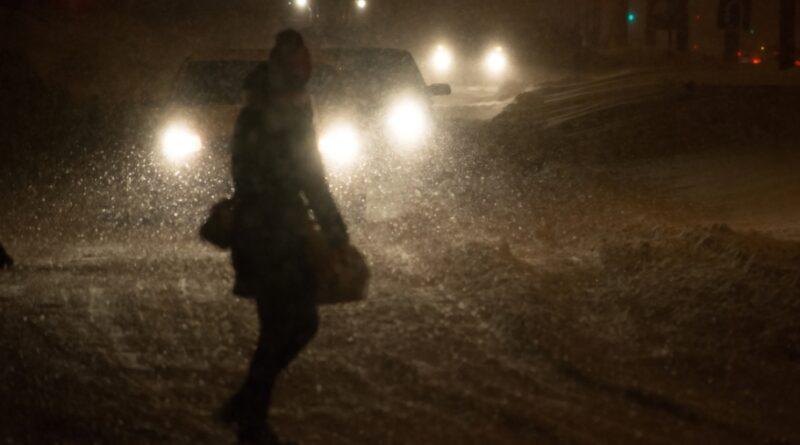
The water fills in the tiny pits and grooves of the road, creating a smooth, glass-like surface. Instead of scattering, the light reflects off the ground at the same angle it hits it. This is known as specular reflection. For a driver, the road effectively becomes a dark mirror. Rather than seeing a pedestrian standing in their path, they see the reflected glare of streetlights, brake lights, and shop signs. This visual noise creates a “camouflage” effect where a person in dark clothing literally vanishes into the shimmering patterns of the wet street.
Perception-Reaction Time in the Rain
Even the most attentive driver takes time to process what they see. This is called Perception-Reaction Time (PRT). On a clear day, the average PRT is about 1.5 seconds. But add in a rainy windshield, moving wipers, and the glare of a wet road, and that time can double or triple.
The problem is that many drivers maintain their “dry road” habits even when the environment has become visually chaotic. They rely on the speed limit as a safety blanket, forgetting that the law requires them to drive at a speed that is “reasonable and prudent” for the current conditions. If a driver is traveling at 30 mph on a rainy night, they are covering 44 feet every single second. If their vision is compromised by glare and their reaction time is slowed by the weather, they might not even touch the brakes before an impact occurs.
The Duty of Care in Glare Conditions
In the legal world, we talk a lot about the “Duty of Care.” This is the responsibility every driver has to avoid harming others. When Seattle’s weather turns the roads into mirrors, that duty of care increases. It is not enough for a driver to say, “I didn’t see them.” The follow-up question is always, “Why didn’t you see them, and what were you doing to compensate for the lack of visibility?”
Proving negligence in these cases involves looking at several key factors:
- Wiper Functionality: Were the blades in good condition, or were they streaking the glass and adding to the glare?
- Headlight Aim: Were the lights properly aligned to illuminate the path without blinding oncoming traffic?
- Speed Adaptation: Did the driver slow down to account for the increased stopping distance and decreased visibility of wet asphalt?
When these factors are ignored, the resulting collision is not a “random accident”—it is a failure of responsibility. This technical evidence is the backbone of a successful pursuit of pedestrian accident compensation, as it shifts the narrative from an “unavoidable weather event” to a driver’s failure to adapt to the known science of the road.
The Hidden Trauma of Low-Visibility Hits
Because these accidents often happen when a driver is “blinded” by glare, they frequently involve a total lack of braking. In a standard accident, a driver might see the hazard at the last second and slam on the brakes, reducing the speed of impact. In “mirror effect” crashes, the driver often hits the pedestrian at full speed because they never saw them in the first place.
This leads to what medical professionals call “unmitigated trauma.” The human body absorbs the full kinetic energy of the vehicle. In Seattle, where the secondary impact is often against hard, wet pavement or curbs, the injuries are frequently life-altering. We see a high rate of complex fractures and traumatic brain injuries in these nighttime cases, requiring a long-term medical outlook that goes far beyond initial emergency room visits.
Reclaiming Your Path Forward
Surviving a nighttime pedestrian accident is a jarring experience that leaves you feeling vulnerable in the very city you call home. The recovery process is about more than just physical healing; it is about seeking the accountability that allows you to move forward with financial and emotional security.
You should not have to pay the price for a driver’s failure to respect the weather. While the science of light and reflection explains why the driver didn’t see you, the law explains why that is no excuse. By focusing on the forensic details and the environmental realities of our city, you can turn a confusing, rainy-night tragedy into a clear, fact-based case for justice.
As you heal, remember that the truth is on your side. The road might have been a mirror, but the facts remain solid. With the right approach to the evidence and a deep understanding of the unique challenges of walking in the Pacific Northwest, you can navigate this difficult chapter and get back to enjoying the beauty of Seattle, rain or shine.