Physical Therapy for Vertigo
Vertigo can be a frustrating and unsettling condition that makes it feel like the room is spinning or that you are moving when you are actually still. It may come on suddenly, last for seconds or longer, and can interfere with walking, driving, working, or everyday activities. Some people also experience nausea, imbalance, headaches, or anxiety along with vertigo. While vertigo can have different causes, Rigby physical therapy is often an effective treatment option for many types of dizziness and balance disorders. Through specialized techniques and exercises, physical therapy can help reduce symptoms, improve stability, and restore confidence with movement.
Understanding Vertigo
Vertigo is not a disease itself but a symptom that often relates to the inner ear, nervous system, or balance system. One of the most common causes is benign paroxysmal positional vertigo, often called BPPV. This occurs when tiny crystals in the inner ear move into the wrong area and disrupt balance signals. Other causes may include vestibular neuritis, labyrinthitis, migraines, concussion, or general balance dysfunction. Because causes vary, an accurate evaluation is important.
How Physical Therapy Helps
Specially trained physical therapists can assess dizziness, eye movements, balance, walking, and head motion to determine what may be contributing to symptoms. Treatment is then tailored to the individual and the specific cause of vertigo. Rather than simply waiting for symptoms to improve, therapy often helps speed recovery and reduce limitations.
Repositioning Maneuvers for BPPV
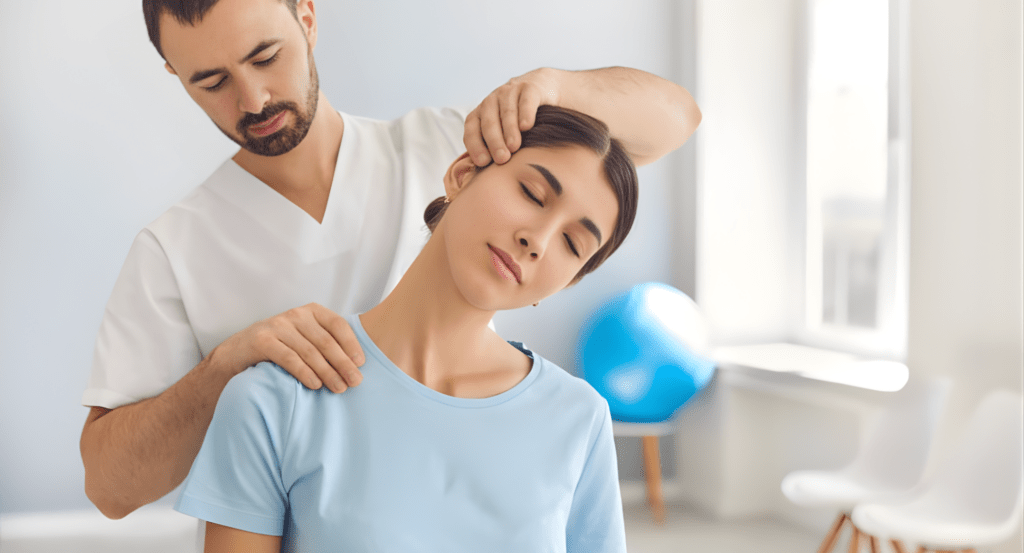
If vertigo is caused by BPPV, physical therapists commonly use canalith repositioning maneuvers. These are specific guided head and body movements designed to move misplaced crystals back where they belong in the inner ear. Many people experience significant relief after one or several sessions, depending on the severity and type of BPPV.
Vestibular Rehabilitation Exercises
When vertigo is related to inner ear weakness or balance system dysfunction, therapists may prescribe vestibular rehabilitation exercises. These exercises help the brain and body adapt to abnormal signals and improve balance control. Treatment may include head movement exercises, gaze stabilization, walking drills, and balance training. Over time, these exercises can decrease dizziness and improve steadiness.
Improves Balance and Reduces Fall Risk
Vertigo often causes unsteadiness, especially in older adults. This can increase the risk of falls and limit confidence with movement. Physical therapy helps strengthen balance reactions, improve walking safety, and teach strategies for navigating daily activities more securely.
Reduces Anxiety Around Movement
Many people with vertigo begin avoiding head turns, bending over, busy environments, or movement in general because they fear triggering symptoms. Unfortunately, avoidance can sometimes prolong recovery. A physical therapist can guide gradual exposure to movement in a controlled way, helping rebuild confidence and reduce fear.
Personalized Care for Different Needs
Every case of vertigo is different. Some people need a quick correction for BPPV, while others benefit from several weeks of vestibular rehabilitation after illness, injury, or ongoing dizziness. Physical therapy plans are personalized based on symptoms, diagnosis, age, activity level, and goals.
When to Seek Medical Attention
If vertigo is new, severe, recurring, or associated with fainting, weakness, vision changes, chest pain, severe headache, or trouble speaking, immediate medical evaluation is important. These symptoms may require urgent care. A healthcare provider can determine the cause of vertigo and whether physical therapy is an appropriate next step.
Finding Steady Ground Again
Vertigo can disrupt daily life, but effective treatment is often available. Physical therapy offers targeted techniques to address common causes of dizziness, improve balance, and help people feel steady again. For many individuals, physical therapy can be a key step toward relief, confidence, and returning to normal activities.