A Traveler’s Guide to Experiencing History Through Europe’s Greatest Cities
Traveling through Europe is unlike any other experience in the world, especially for those who are drawn to history. The continent offers a unique blend of ancient landmarks, preserved architecture, and cultural traditions that have evolved over centuries. Unlike destinations where history feels distant or reconstructed, Europe allows travelers to walk through living timelines, where the past seamlessly blends with the present.
What makes Europe particularly compelling is the density and diversity of its historical cities. Within a relatively short distance, travelers can experience the remnants of empires, the influence of the Renaissance, and the transformation brought by industrialization. Each city tells its own story, shaped by unique events, cultures, and people, making every journey both educational and deeply immersive.
Rome: Walking Through the Heart of an Ancient Empire
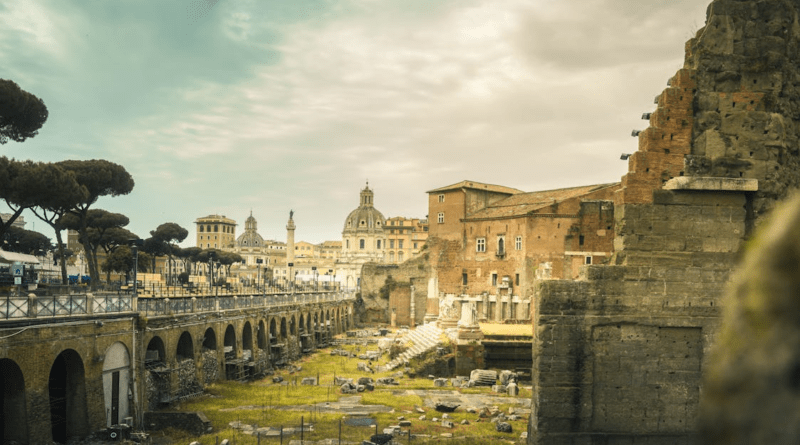
Few cities in the world offer the depth of history that Rome does. Known as the Eternal City, Rome is a place where ancient ruins coexist with modern life, creating a powerful contrast that draws millions of visitors every year. Walking through its streets feels like stepping into a living museum, where every corner reveals a piece of the past.
The city’s landmarks reflect the grandeur of the Roman Empire and its lasting influence on art, architecture, and governance. From massive amphitheaters to intricate temples, the scale and sophistication of Roman construction continue to impress. What makes the experience even more compelling is how accessible these sites are, allowing travelers to explore them up close rather than viewing them from a distance.
Beyond the structures themselves, Rome offers a deeper connection to history through its atmosphere. The narrow streets, historic plazas, and layered architecture create a sense of continuity that few places can match. This immersive environment allows visitors not just to see history but also to feel it. As Mario Dalo, Founder & Rome History Expert at ColosseumRoman, highlights, “cities like Rome transform history into an immersive, real-world experience rather than leaving it confined to textbooks.”
Paris: A City Shaped by Art, Revolution, and Culture
Paris is often associated with romance and beauty, but it is equally significant as a center of historical transformation. The city has played a central role in shaping European culture, politics, and art, making it an essential destination for history enthusiasts.
Walking through Paris reveals layers of history that reflect different eras, from medieval times to modern developments. The city’s architecture tells stories of revolution, innovation, and artistic achievement. Grand boulevards, historic monuments, and preserved neighborhoods all contribute to a sense of depth that enriches the travel experience.
What sets Paris apart is its ability to blend history with everyday life. Museums, galleries, and public spaces are not isolated attractions but integral parts of the city’s identity. This integration allows visitors to experience history not as something distant, but as a living part of the present.
Athens: The Foundation of Western Civilization
Athens holds a special place in the history of the world as the birthplace of democracy, philosophy, and many foundational ideas that continue to influence modern society. Visiting Athens is not just about seeing ancient ruins; it is about understanding the origins of concepts that shape contemporary life.
The city’s historical sites offer insight into the intellectual and cultural achievements of ancient Greece. Structures built thousands of years ago still stand as symbols of human thought, creativity, and ambition. Walking through these spaces allows travelers to connect with a time when ideas were beginning to take shape in ways that would influence generations.
Athens also provides a contrast between ancient and modern living. The city continues to evolve while preserving its historical core, creating a dynamic environment where the past remains visible and relevant. This balance makes Athens a compelling destination for those seeking both knowledge and experience.
Prague: Preserved Beauty from the Medieval Era
Prague offers a different kind of historical experience, one that feels remarkably untouched by time. Known for its well-preserved medieval architecture, the city provides a glimpse into a past that has been carefully maintained over centuries.
Walking through Prague feels like stepping into a storybook setting, with cobblestone streets, historic bridges, and towering castles. The city’s layout and design have remained largely intact, allowing visitors to experience history in its original context. This level of preservation is rare and adds to the city’s unique appeal.
What makes Prague particularly interesting is its ability to showcase history without overwhelming the visitor. The city invites exploration at a slower pace, encouraging travelers to absorb its details and atmosphere. This immersive quality makes it an ideal destination for those who appreciate both history and aesthetics.
London: Layers of History in a Modern Metropolis
London is a city where history exists in layers, each one contributing to its identity as a global capital. From ancient settlements to modern skyscrapers, the city reflects centuries of change and adaptation.
What makes London unique is how seamlessly it integrates its historical elements into everyday life. Landmarks, historic districts, and cultural institutions coexist with modern infrastructure, creating a dynamic environment that constantly evolves while honoring its past.
Exploring London allows travelers to witness this evolution firsthand. The city’s ability to preserve its heritage while embracing innovation serves as an example of how history can remain relevant in a rapidly changing world.
Experiencing History Beyond Landmarks
While landmarks are central to historical travel, the true experience often extends beyond them. Culture, traditions, and local interactions play an equally important role in understanding a city’s past.
Food, language, and daily life all carry historical influences that reflect centuries of development. Trying local cuisine, attending cultural events, or simply observing daily routines can provide valuable insights into how history continues to shape modern society. These experiences add depth to travel, making it more meaningful and memorable.
Travelers who take the time to engage with these aspects often gain a richer understanding of the places they visit. It transforms the journey from sightseeing into genuine exploration.
The Importance of Responsible Travel
As more people seek to experience historical cities, the importance of responsible travel becomes increasingly clear. Preserving these destinations requires a balance between accessibility and conservation.
Travelers play a crucial role in this process. Respecting local regulations, supporting sustainable tourism practices, and being mindful of cultural sensitivities can help protect these sites for future generations. Small actions can have a significant impact when multiplied across millions of visitors.
Cities themselves are also adapting to these challenges by implementing measures to manage tourism and protect their heritage. This shared responsibility ensures that historical destinations remain accessible while maintaining their integrity.
Why Europe Remains a Top Destination for History Lovers
Europe continues to attract travelers because of its unparalleled ability to offer diverse historical experiences within a relatively compact region. The proximity of its cities allows visitors to explore multiple cultures, time periods, and architectural styles in a single journey.
Each destination offers something unique, from the ancient foundations of Athens to the artistic heritage of Paris and the medieval charm of Prague. This variety ensures that every traveler can find a connection that resonates with their interests.
The continent’s commitment to preserving its heritage further enhances its appeal. By maintaining historical sites and integrating them into modern life, European cities provide an experience that feels both authentic and accessible.
Final Thoughts
Experiencing history through Europe’s greatest cities is more than just a travel experience; it is an opportunity to connect with the roots of modern civilization. Each city offers a different perspective, allowing travelers to explore the complexities and achievements of the past in a meaningful way.
From ancient ruins to preserved streets and cultural traditions, Europe provides a rich and immersive journey through time. These experiences not only educate but also inspire, reminding us of the enduring impact of history on our present and future.
For those who seek more than just sightseeing, Europe offers a chance to truly engage with history, making every visit a journey worth remembering.