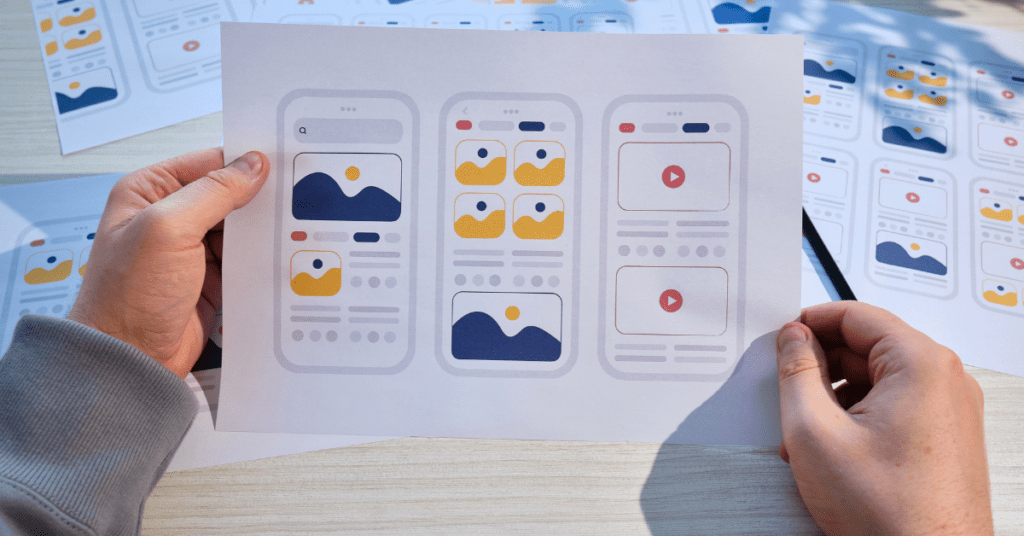
How UX Design Influences SaaS Customer Retention
Customer retention is a core measure of success for software as a service (SaaS) companies. A strong product with compelling features can attract users, but keeping customers over time requires more than functionality. A well-planned UX design strategy plays a critical role in whether users continue to engage with and pay for a service. This article explores how UX design influences SaaS customer retention by improving usability, satisfaction, engagement, learning, and loyalty.
Understanding the Connection Between UX and Retention
UX design, closely related to user experience in website design, refers to the process of designing products that provide meaningful and relevant experiences to users. It covers the entire interaction between the user and the product, including interface design, ease of navigation, accessibility, performance, feedback, and emotional response. When users find a SaaS product intuitive and enjoyable to use, they are more likely to continue using it.
Customer retention in SaaS is measured by metrics such as churn rate, renewal rate, and customer lifetime value (CLV). High retention means customers stay subscribed, making sales process optimization an essential focus for SaaS companies to enhance engagement and satisfaction, upgrade services, and recommend the product to others. Poor UX, in contrast, can cause frustration, confusion, and abandonment.
Usability and First Impressions
SaaS products often require users to complete tasks such as setting up workflows, managing data, or collaborating with teams. Platforms like AI recruiting software, for example, rely heavily on intuitive workflows and clear interfaces to help users manage candidate pipelines efficiently If the onboarding process is complex or confusing, new users may give up before they experience value. UX design affects customer retention by making the product easy to learn and efficient to use.
Simplifying onboarding, for example, can reduce time to value. Clear instructions, progressive disclosure of features, interactive guides, and helpful tooltips make it easier for users to understand how to use software. Research shows that users who succeed early with a product are more likely to stay engaged and explore more features over time.
Satisfaction Through Interaction Design
Interaction design refers to how users interact with a product’s interface. Elements such as buttons, menus, form inputs, feedback messages, and error handling shape how users feel about the product. When these elements are thoughtfully designed, users feel in control and confident. Good interaction design prevents errors and helps users complete tasks without frustration.
For SaaS companies, satisfying interactions enhance perceived value. When users feel the product respects their time and effort, they are less likely to switch to competitors.Small design choices such as responsive UI, consistent layout, clear labels, and helpful error feedback can have a big influence on overall satisfaction. This is why many SaaS teams partner with custom web development services early in the build process — having developers who understand UX requirements means interaction patterns are built intentionally into the product rather than patched in after launch.
Engagement and Habit Formation
Retention improves when users engage with a product regularly. UX design can encourage engagement by making the product relevant and rewarding to use. Features that reflect user needs, personalized dashboards, timely reminders, and content that aligns with user goals contribute to ongoing use. For example, businesses that manage service operations often rely on dashboards that track leads and website performance, such as monitoring how visitors interact with a plumbing business landing page or how many inquiries it generates. When software presents this type of information clearly, users gain valuable insights that encourage them to keep using the platform.
Habit formation occurs when users incorporate a product into their routine.In organizations that rely on a modern intranet, for example, employees regularly return to a central platform to access updates, collaborate with teams, and manage tasks, reinforcing daily engagement with the software. SaaS companies can support habit building by reinforcing success. For example, performance reports, progress tracking, and achievement indicators motivate users to return and continue using the product. When engagement levels are high, churn rates tend to decrease.
Accessibility and Inclusive Design
Accessible design ensures users with a range of abilities can use a product effectively. Accessibility features such as keyboard navigation, screen reader compatibility, readable fonts, private instagram viewer ai and color contrast adjustments allow more people to use software without barriers.
SaaS products that neglect accessibility may lose potential users who find the interface difficult to use. Inclusive design not only expands the user base but signals that the company values diverse needs. This positive perception contributes to loyalty and retention.
Reducing Cognitive Load
Cognitive load refers to the mental effort required to use a product. When users must remember instructions, navigate cluttered screens, or interpret unclear messages, cognitive load increases. High cognitive load leads to fatigue, slower task completion, and errors, all of which reduce retention.
UX designers reduce cognitive load by using visual hierarchy, minimizing unnecessary choices, simplifying workflows, and grouping related items logically. Features such as search functions, contextual help, and consistent navigation patterns help users focus on task completion rather than figuring out how to use the product.
Feedback and Continuous Improvement
Customer feedback is vital to improving UX design. SaaS companies that actively collect and act on user feedback show users that their opinions are valued. Feedback loops can include in-app surveys, usability tests, support tickets, user interviews, and analytics data.
When companies implement changes that reflect user feedback, customers notice improvements and feel more connected to the product. Continuous improvement of UX based on user input helps maintain satisfaction and encourages long-term use. Many product teams delegate the collection and organization of user feedback, from support tickets to survey responses, to a virtual assistant service, freeing UX researchers and designers to focus on analysis and implementation.
Emotional Connection and Brand Loyalty
UX design also influences customer retention through emotional connection. Users form emotional responses to products based on ease of use, aesthetics, and perceived value. Pleasant experiences lead to positive emotions such as confidence, trust, fulfillment, and enjoyment.
Emotional connection strengthens loyalty. Users who have positive memories of using a product are more likely to renew subscriptions and recommend the product to others. UX design that aligns with user goals and values builds trust and deepens the relationship between the user and the brand.
Measuring UX Impact on Retention
To quantify the influence of UX design on retention, SaaS companies use various metrics. Common measurements include:
- Churn rate: Percentage of users who stop using the product within a given period. Lower churn suggests improved retention.
- Net Promoter Score (NPS): A measure of how likely users are to recommend the product.
- Product engagement: Frequency and depth of user interaction with the product.
- Task completion rate: Percentage of users who successfully complete key actions.
These metrics help identify areas where UX improvements can increase retention. For example, low task completion rates may indicate usability issues that need design attention.
Security and Trust in SaaS User Experience
Trust plays an important role in how users evaluate a SaaS platform. Even if software is easy to use and visually appealing, customers may hesitate to continue using it if they are concerned about the safety of their data. Strong endpoint security for business helps protect company devices, applications, and sensitive information from unauthorized access or malicious activity. Platforms such as ThreatLocker help organizations control which applications can run on their systems, reducing the risk of ransomware or other threats that could disrupt operations. When users know their data and workflows are protected by reliable security measures, they feel more confident relying on the platform for daily work. Security therefore becomes part of the overall user experience, reinforcing trust and long-term customer retention.
Conclusion
UX design plays a central role in SaaS customer retention by making products easier to use, more satisfying, engaging, and accessible. It reduces cognitive load, supports habit formation, fosters emotional connection, and strengthens loyalty. SaaS companies that invest in UX design and continually refine the experience based on user feedback are better positioned to retain customers over the long run.
Author bio: Jay is an SEO Specialist with 6 years of experience specializing in digital marketing, HTML, keyword optimization, meta descriptions, and Google Analytics. Currently working as CMO at Pulse of Strategy. For inquiries reach him at JayJaangid@gmail.com