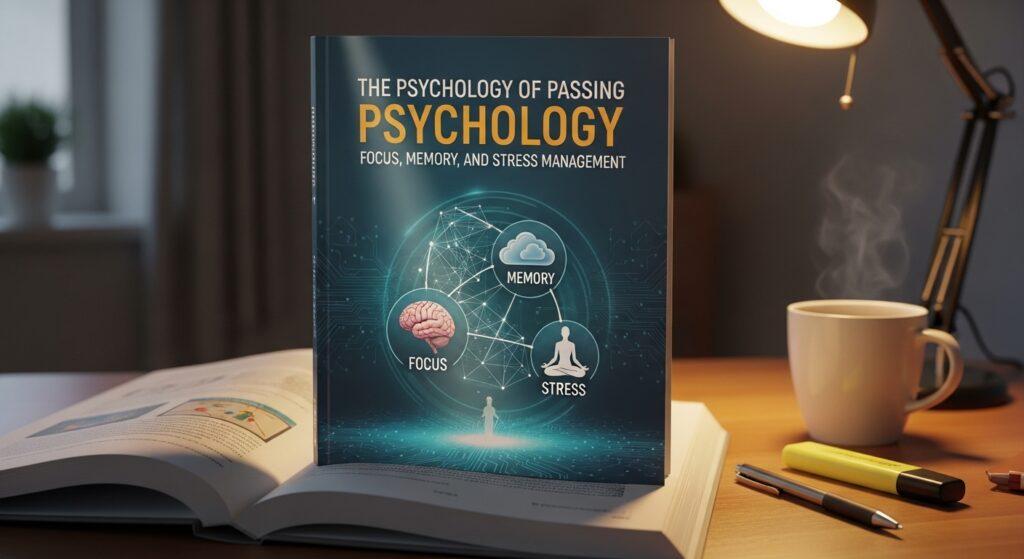
The Psychology of Passing IT Certification Exams: Focus, Memory, and Stress Management
Passing IT certification exams requires more than just reading textbooks or practicing sample questions available on a learning website. Success is deeply connected to how the mind processes information, retains knowledge, maintains concentration, and responds to pressure. Many candidates fail not because they lack ability, but because they misunderstand the psychological demands of preparation and examination. By developing mental discipline, improving memory strategies, strengthening focus, and managing stress effectively, learners can naturally improve their chances of success.
Understanding the Mental Demands of Certification Exams
Certification exams are designed to test both knowledge and decision-making under time constraints. This creates cognitive pressure, where the brain must recall information quickly while filtering distractions. When candidates rely on scattered materials from different sources or a website without structure, information overload becomes more likely.
Another key psychological factor is working memory limitation. Understanding how the brain organizes and retrieves information helps learners structure their study approach more effectively and naturally improves learning efficiency.
The Role of Focus in Exam Preparation
Focus is the foundation of effective learning. Without it, study sessions become passive and inefficient. Concentration allows the brain to encode information more deeply, improving long-term retention.
One effective method is eliminating distractions during study sessions, including unnecessary browsing on a website or switching between resources. The brain works best when it is given uninterrupted periods to engage with material.
Intentional learning is also essential. Instead of passively reading content from a website or notes, learners should actively engage by summarizing, questioning, and testing themselves. This approach naturally strengthens understanding.
Memory Techniques for Long-Term Retention
Memory is not just repetition; it is structured reinforcement. Spaced repetition is one of the most effective techniques, allowing the brain to retain information over time.
Association techniques also help learners connect abstract ideas with familiar concepts. Chunking information into smaller groups reduces mental load and improves recall.
Active recall is another powerful strategy. Instead of rereading notes from a website, learners should test themselves without assistance. This strengthens memory pathways and improves exam performance naturally over time.
Managing Stress During Preparation and Exam Time
Stress can reduce mental clarity and affect recall ability. However, it can be managed with proper techniques.
Confidence built through consistent practice reduces anxiety. Breathing exercises also help calm the nervous system and restore focus.
Sleep plays a major role in memory consolidation, and a well-rested mind performs more effectively during exams. Physical activity further supports emotional balance and helps maintain a steady mindset.
Building a Study Routine That Supports Mental Performance
A structured study routine helps stabilize focus and reduce pressure. Setting clear goals for each session makes learning more efficient.
Using a reliable website for structured practice can also support consistency, but it should be combined with revision and active learning methods. A balanced routine naturally improves retention and reduces burnout.
The Importance of Practice Exams
Practice exams simulate real conditions and improve time management. They also highlight weak areas that require additional focus.
Repeated exposure to exam-style questions builds confidence and reduces fear, helping learners perform more naturally under pressure.
Developing Exam-Day Mental Resilience
On exam day, mental control is essential. Positive thinking helps reduce anxiety. Managing time wisely ensures that difficult questions do not disrupt overall performance.
A calm and steady mindset allows learners to apply knowledge effectively and naturally improves accuracy.
FAQ
Why do candidates struggle even after studying from a website?
Because passive reading is not enough. Active recall, practice exams, and structured revision are necessary for strong performance.
How can I stay focused while studying online?
Avoid distractions from unnecessary browsing, use time blocks, and engage actively with the material instead of passively reading.
What reduces exam stress the most?
Consistent preparation, proper sleep, breathing techniques, and practice exams are the most effective stress reducers.
How important is revision?
Revision is essential because it strengthens memory and ensures long-term retention of concepts.
Are practice tests necessary?
Yes, they help simulate real conditions and improve confidence and speed.
Conclusion
Passing certification exams depends not only on knowledge but also on psychological readiness. Focus improves learning efficiency, memory techniques enhance retention, and stress management ensures stability under pressure. When combined with structured study habits and consistent practice, these skills naturally lead to better performance and long-term success.
Beyond these core elements, one of the most important factors is mindset. Many learners underestimate how strongly self-belief influences performance. A calm and confident approach allows the brain to retrieve information more effectively, while self-doubt can block recall even when preparation is strong. Building confidence comes from repeated exposure to practice questions, steady progress tracking, and recognizing small improvements over time.
Another key aspect is adaptability. Not every study method works equally well for every individual. Some learners retain information better through visual mapping, while others benefit more from written repetition or verbal explanation. Adjusting strategies based on personal strengths helps create a more natural and effective learning process.
Consistency also plays a major role in long-term success. Short, daily study sessions are far more powerful than irregular intensive efforts. When learning becomes a habit, the brain adapts and processes information more efficiently without feeling overwhelmed. This reduces mental resistance and makes preparation feel more natural and less stressful.
It is also important to reflect regularly on progress. Identifying weak areas early allows learners to adjust their focus before exam day. This prevents last-minute pressure and improves overall readiness. Combining reflection with practice tests ensures continuous improvement and deeper understanding.
Finally, maintaining balance in daily life supports better performance. Adequate rest, short breaks during study sessions, and a healthy routine help the mind stay alert and receptive. Overworking the brain often leads to diminishing returns, while balanced effort leads to steady and sustainable growth.