Why the Windows You Choose Matter More Than Most Homeowners Realise
When Australian homeowners think about improving their properties, windows rarely top the list of exciting upgrades.
Kitchens get renovated, bathrooms get refreshed, and gardens get landscaped, while the windows quietly continue doing the same job they did when the house was built, often decades ago.
This oversight is costly in ways that compound year after year. Windows are the primary interface between the interior of a home and the external environment, and their performance determines how much energy a household consumes, how comfortable rooms feel across every season, how much noise penetrates from the street, and how well the structure holds up against the elements over time.
The Problem with Older Window Systems
The majority of homes across New South Wales were built with single-glazed aluminium windows that were never designed with thermal performance or acoustic comfort in mind.
At the time of installation, energy costs were lower, building codes were less demanding, and the long-term cost of running a home was rarely factored into construction decisions.
Today, those same windows are responsible for a significant proportion of household energy losses.
Heat transfers freely through single-glazed glass and thermally conductive aluminium frames, meaning air conditioning systems work harder in summer and heating systems struggle to maintain comfortable temperatures in winter.
What uPVC Changes About Window Performance
Unplasticised polyvinyl chloride, more commonly known as uPVC, is a rigid, high-performance frame material that was developed in Europe and has been widely used in windows and doors across the United Kingdom, Germany, and Scandinavia for several decades.
Its adoption in Australia has accelerated significantly as homeowners and builders have become more focused on energy efficiency and long-term performance.
Unlike aluminium, uPVC does not conduct heat or cold. This means the frame itself does not become a channel through which temperature transfers between the inside and outside of a building, which is one of the most important but least-discussed factors in overall window thermal performance.
Double Glazing and Why the Gap Matters
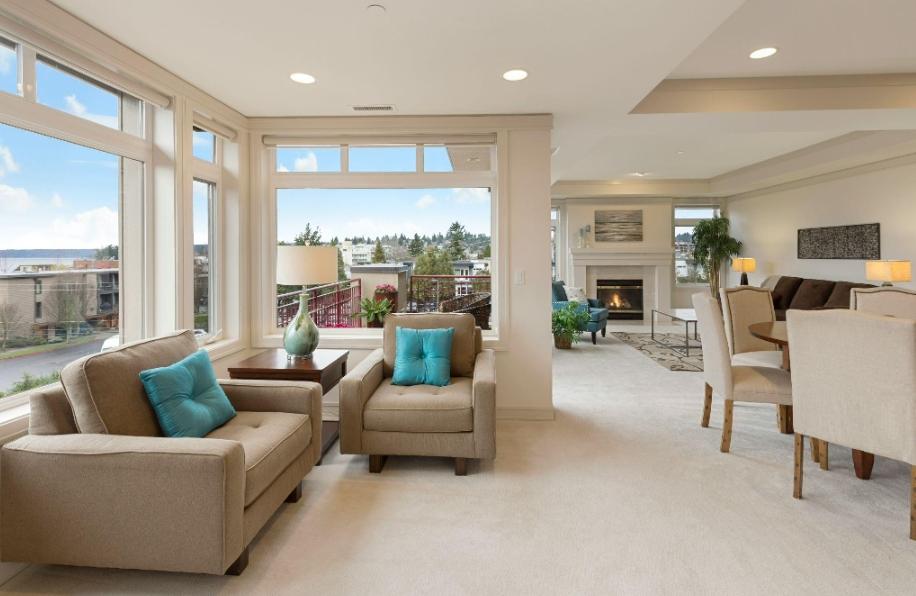
A uPVC frame alone delivers meaningful performance improvements, but the full benefit of modern window technology comes when that frame is combined with double-glazed glass units.
Double glazing consists of two panes of glass separated by a sealed cavity, which is typically filled with argon gas to further reduce heat transfer through the glass itself.
The combination of a thermally broken uPVC frame, argon-filled double glazing, and warm-edge spacers creates an insulating system that reduces heat transfer to a fraction of what single-glazed aluminium windows allow.
For Sydney homeowners looking to upgrade their homes with this technology, choosing quality uPVC windows Sydney means accessing systems that are manufactured locally using German-engineered frames, backed by a 10-year product warranty, and installed by in-house teams who manage the entire project from consultation through to final fit-out.
Energy Savings That Accumulate Over Time
One of the most compelling arguments for upgrading to uPVC double-glazed windows is the ongoing reduction in energy costs that follows installation.
Well-specified double-glazing systems can reduce a household’s reliance on heating and cooling by a substantial margin, with energy bill reductions of up to 40 per cent cited for properly installed systems in Australian climates.
This is not a one-off benefit; it recurs every month for the entire life of the windows, which in the case of quality uPVC systems can extend to several decades with appropriate maintenance.
When viewed as a long-term financial decision rather than a one-time cost, the investment case for double-glazed uPVC windows becomes straightforward for most homeowners who intend to stay in their property for more than a few years.
Acoustic Performance and the Value of Quiet
Sydney is a dense, busy city, and noise is a significant quality-of-life issue for residents across many suburbs, whether from traffic on main roads, flight paths, local commercial activity, or simply the accumulated sound of a dense residential neighbourhood. Single-glazed windows provide essentially no meaningful acoustic barrier.
Double-glazed uPVC windows, by contrast, can reduce perceived external noise by up to 80 per cent, and in some configurations even higher, depending on the glass specification selected.
For households near major arterial roads, train lines, or airports, this acoustic improvement can transform the liveability of a home in a way that no other single upgrade can match.
Compliance with Modern Building Standards
Australia’s residential building code has moved progressively toward higher energy efficiency requirements, and the 7-star energy rating standard now in effect for new residential construction reflects the government’s commitment to reducing the carbon footprint of the built environment.
For homeowners undertaking renovations or extensions, meeting these requirements has become a more significant consideration.
uPVC double-glazed windows are one of the most effective tools available for achieving and exceeding the 7-star energy rating threshold.
Their combination of thermal efficiency, air infiltration resistance, and UV stability means they contribute meaningfully to the overall energy performance of a building while also providing the durability and low maintenance characteristics that busy households require.
Bushfire Resilience and Safety Features
For homeowners in New South Wales, bushfire risk is a real consideration that extends well beyond rural areas.
Many properties on the urban fringe and in leafy suburban environments sit within bushfire-prone zones, and the windows installed in those homes are required to meet specific fire resistance standards.
Quality uPVC double-glazed window systems certified to BAL 40 provide genuine protection against radiant heat and ember attack, which are the primary mechanisms through which bushfires damage or destroy homes.
Combining energy efficiency, acoustic performance, and bushfire compliance in a single window system removes the need to make compromises across competing requirements.
The Role of Window Style in Overall Performance
Beyond the frame material and glazing specification, the style of window chosen for each opening has a meaningful effect on both performance and liveability.
Tilt and turn windows offer flexible ventilation control and excellent sealing when closed. Awning windows allow ventilation even in light rain.
Casement windows provide a clean, unobstructed sightline. Sliding windows suit wider openings where space allows.
The ability to select the right window style for each room, all within the same uPVC double-glazed system, means homeowners can optimise performance and comfort throughout the house rather than accepting a compromise driven by a single product format.
Working with a manufacturer that offers the full range of styles under one roof simplifies the process and ensures a consistent finish across the entire property.
Making the Decision to Upgrade
Replacing windows is not a small decision, and it deserves the same level of research and planning as any other significant home investment.
The questions worth asking include how long you intend to stay in the property, what your current energy costs are, whether noise is affecting your household’s quality of life, and whether your existing windows meet current safety and compliance standards.
For most Sydney homeowners who examine those questions honestly, the case for upgrading to uPVC double-glazed windows is clear.
The ongoing savings in energy costs, the improvement in indoor comfort, the reduction in noise, the long warranty coverage, and the contribution to property value all point in the same direction, making it one of the more straightforward home improvement decisions available to the modern Australian homeowner.