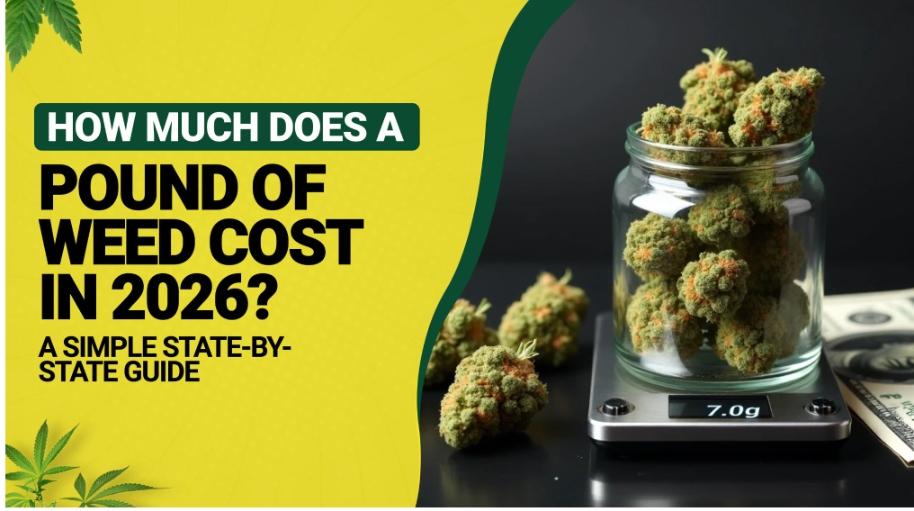
How Much Does a Pound of Weed Cost in 2026? A Simple State-by-State Guide
If you’ve been asking, “How much is a pound of weed worth in 2026?” you’re not alone, with prices shifting across the country, many people are trying to understand what a fair bulk price looks like today. Whether you’re a curious reader, a regular consumer, or someone comparing weed prices by state, this guide breaks everything down in simple terms. We’ll cover measurements, national averages, and how location impacts pricing — especially in places where legal access like licensed weed delivery Ocean Beach makes buying more structured and regulated.
Let’s start with the basics.
How Much Weed Is in a Pound?
Before talking about cost, you need to understand the quantity.
Here’s the simple math:
- 1 pound = 16 ounces
- 1 ounce ≈ 28 grams
- 1 pound = 448 grams
- 1 zip = 1 ounce
- 16 zips = 1 pound
That’s a significant amount. If someone rolls 0.5g joints, one pound can produce close to 900 joints. That’s why pound-level purchases are usually for bulk buyers or industry discussions rather than casual users. Now that we understand the volume, let’s look at pricing.
Average U.S. Price Per Pound in 2026
In 2026, cannabis prices stabilized after a few years of fluctuation. The current national average sits around:$1,000 to $1,100 per poundEarlier this year, wholesale prices ranged between $888 and $991 before settling closer to $1,000. Increased retail competition and slower spending have softened the market slightly.For consumers, that means better pricing in competitive states.However, averages only tell part of the story. To truly understand the market, you have to compare weed prices by state, since local laws and supply levels change everything.
Weed Prices by State in 2026
Prices vary based on:
- Legal status
- Taxes
- Number of dispensaries
- Supply and demand
- Indoor vs outdoor growing
Here’s a simplified comparison:
| State | Avg. Price per Ounce | Approx. Price per Pound | Market Snapshot |
| California | $73.83 | ~$1,181 | Large legal market, high taxes |
| Michigan | $83.71 | ~$1,340 | Highly competitive, lower pricing |
| Massachusetts | $144.53 | ~$2,310 | Smaller, stable market |
| Oregon | $106.62 | ~$1,710 | Oversupply keeps prices lower |
| Colorado | $96.10 | ~$1,540 | Mature market, stable competition |
| Maine | $205.74 | ~$3,291 | Higher recreational taxes |
| Illinois | $257.22 | ~$4,115 | High taxes, limited dispensaries |
| Ohio | $231.07 | ~$3,700 | New market, prices expected to drop |
As you can see, comparing weed prices by state shows dramatic differences. Illinois buyers may pay nearly four times what consumers pay in California or Michigan.
Why Is California More Affordable?
California has one of the oldest legal cannabis markets in the U.S. While taxes are high, the state also has massive competition among growers and retailers. Services like licensed weed delivery in California increase accessibility and competition, which often helps keep pricing competitive compared to newer markets with fewer dispensaries. More stores typically mean more price competition.
What About Illegal States?
In states where cannabis remains illegal, prices often climb higher due to:
- Limited supply
- Legal risks
- No regulated competition
Without regulated retail systems like licensed weed delivery in California, consumers face inconsistent pricing and quality concerns.Legal states may seem more expensive at first glance, but they provide tested products and transparent labeling.
Why Dispensary Prices Are Higher
Many people compare legal dispensary pricing to street pricing. Here’s why licensed shops cost more:
Taxes
Some states charge significant cannabis taxes. California, for example, increased its excise tax from 15 percent to 19 percent in 2026.
Lab Testing
Legal cannabis must pass safety tests for potency, mold, and contaminants.
Licensing Fees
Retailers pay state licenses, security costs, and compliance fees.
Supply Chain Markups
Products move from grower to distributor to retailer. Each step adds margin.
Limited Competition
States with fewer dispensaries often have higher prices due to limited competition.
When comparing costs across regions, reviewing weed prices by state helps explain why some markets remain expensive.
Indoor vs Outdoor Grow Pricing
How cannabis is cultivated also affects price.
- Indoor-grown cannabis usually costs more
- Outdoor-grown cannabis is generally cheaper
- Premium “top-shelf” strains command higher pricing
So even within one state, two pounds can have very different price tags.
Conclusion
Most states average around $1,000 to $1,100 per pound.
Some states exceed $3,000 or even $4,000.
Competitive markets like California and Michigan remain more affordable.
The final price depends on:
- Legal structure
- Tax rates
- Market competition
- Cultivation method
- Retail access
Understanding weed prices by state gives you a clearer picture of what’s fair in your area. And in established markets offering options like licensed weed delivery in California, buyers often benefit from competitive pricing and regulated quality.Prices will continue to shift as markets mature, but staying informed helps you make smarter decisions.