Nighttime Habits That Spike Your Electricity Bill Without You Noticing
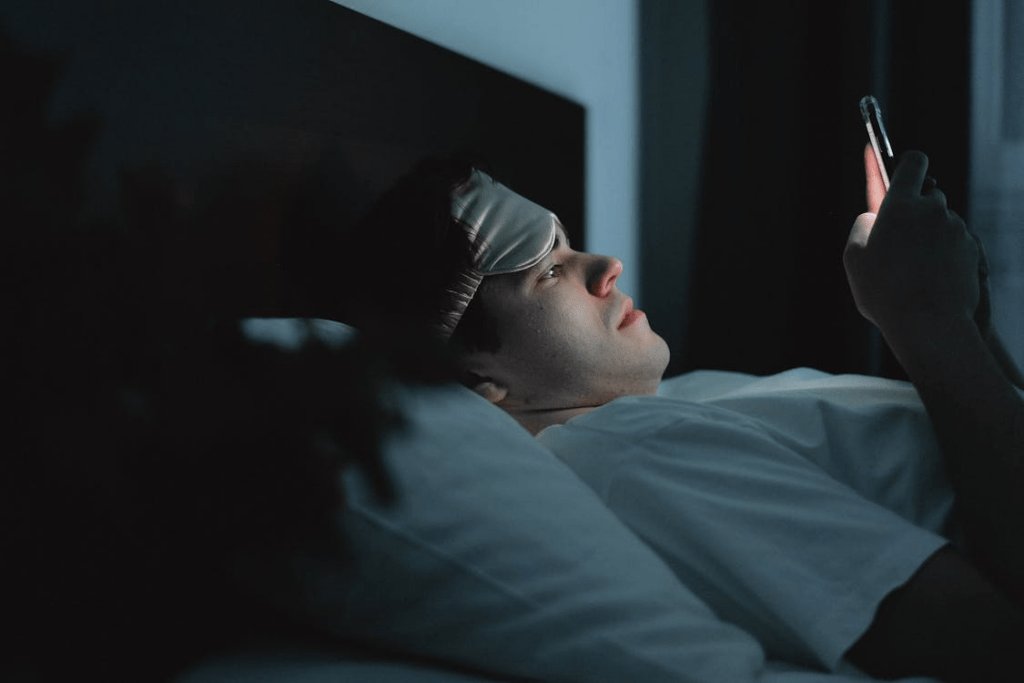
When the day winds down, most of us shift into relaxation mode. Lights dim, devices stay on, and routines become automatic. But while you’re resting, your home might still be working overtime—quietly increasing your electricity bill.
Nighttime is one of the most overlooked periods for energy consumption. Because you’re less aware and less active, small habits can go unnoticed. Over time, these behaviors add up and impact your monthly costs more than you might expect.
In this article, we’ll explore the common nighttime habits that spike your electricity bill—and what you can do to fix them without disrupting your comfort.
Why Nighttime Energy Use Goes Unnoticed
During the day, you’re more aware of what’s running in your home. At night, that awareness fades.
- You’re tired
- You rely on routines
- You avoid making extra effort
As a result, devices and systems continue running longer than necessary.
Common Nighttime Habits That Increase Electricity Use
Let’s break down the biggest culprits.
1. Leaving Lights On Overnight
It might seem harmless to leave a hallway or bathroom light on, especially for convenience or safety.
But:
- Lights left on for 6–8 hours add up
- Multiple rooms increase the effect
- Bright lighting uses more energy than necessary
Even small bulbs can contribute to higher costs when used consistently.
2. Overusing Air Conditioning While Sleeping
Many people set their air conditioner colder than needed at night.
Common behaviors:
- Lowering the temperature before bed
- Letting the AC run all night
- Avoiding adjustments after falling asleep
This often leads to:
- Excessive energy use
- Poor sleep due to overcooling
3. Devices Charging All Night
Phones, tablets, and laptops are often left plugged in overnight.
While convenient, this can lead to:
- Continued energy draw after full charge
- Standby power consumption
- Heat buildup in some cases
Multiply this across multiple devices, and the impact grows.
4. Entertainment Systems Left Running
Falling asleep with the TV on is a common habit.
This results in:
- Hours of unnecessary energy use
- Background noise masking awareness
- Devices staying in active mode
Streaming devices and gaming consoles also contribute when left on.
5. Appliances Running Unnecessarily
Some appliances are left running longer than needed:
- Dishwashers set late at night
- Washing machines left on standby
- Kitchen appliances plugged in
Without monitoring, these continue consuming energy.
6. Standby Power From Multiple Devices
Even when turned off, many devices still draw power.
Examples:
- Chargers
- TVs
- Routers
- Smart devices
This “phantom energy” is one of the biggest hidden contributors to nighttime usage.
7. Outdoor and Security Lighting Overuse
Outdoor lights are often left on all night for safety.
However:
- High-wattage bulbs consume more energy
- Multiple lights increase usage
- No timers mean unnecessary runtime
The Financial Impact
These habits may seem minor, but together they can lead to:
Increased Energy Consumption
Multiple devices and systems running overnight.
Higher Monthly Bills
Extended usage hours directly impact costs.
Gradual, Unnoticed Increases
Because changes are small, they’re easy to overlook.
For households comparing plans or monitoring usage through providers like ambit, nighttime habits often explain unexpected spikes in energy bills.
How to Reduce Nighttime Energy Waste
The goal isn’t to disrupt your routine—it’s to make it more efficient.
1. Use Timers for Lights and Devices
Set automatic shut-offs for:
- TVs
- Lights
- Appliances
This ensures nothing runs longer than necessary.
2. Adjust Your Thermostat Before Sleep
Instead of extreme cooling:
- Set a moderate temperature
- Use sleep mode if available
- Let the system adjust gradually
This maintains comfort while reducing energy use.
3. Unplug or Use Power Strips
Cut off standby power by:
- Unplugging unused devices
- Using switchable power strips
This is a simple but effective habit.
4. Use Motion-Sensor Lighting
For hallways or outdoor areas:
- Install motion-sensor lights
- Use low-energy bulbs
This provides safety without constant energy use.
5. Enable Sleep Settings on Devices
Most electronics have built-in sleep features.
Use them for:
- TVs
- Computers
- Streaming devices
They automatically power down when not in use.
6. Limit Overnight Charging
Try:
- Charging devices before bed
- Unplugging once fully charged
- Avoiding unnecessary overnight charging
This reduces energy draw and extends device life.
7. Create a Simple Night Routine
Before going to bed:
- Turn off lights
- Check appliances
- Adjust temperature
A quick routine can prevent hours of wasted energy.
The Psychology Behind Nighttime Habits
At night, your brain prioritizes rest over effort.
You’re more likely to:
- Avoid small tasks
- Stick to привычные routines
- Choose convenience over efficiency
That’s why automation and simple systems work best—they remove the need for decision-making.
Small Changes, Big Results
You don’t need to overhaul your entire routine.
Start with:
- Setting a timer on your TV
- Adjusting your AC slightly
- Turning off one extra light
These small actions, repeated nightly, can significantly reduce your energy use.
Frequently Asked Questions (FAQs)
1. Do nighttime habits really affect electricity bills?
Yes. Extended usage during sleep hours can significantly increase overall energy consumption.
2. What uses the most electricity at night?
Air conditioning, lighting, and entertainment systems are the biggest contributors.
3. Is it bad to charge devices overnight?
It’s not necessarily harmful, but it can contribute to unnecessary energy use.
4. What’s the easiest way to save energy at night?
Set timers for devices and turn off lights before going to bed.
5. Are motion-sensor lights worth it?
Yes. They provide convenience and reduce unnecessary energy use.
6. How quickly can I see savings?
You may notice changes in your next electricity bill if you consistently adjust your habits.
Final Thoughts
Nighttime energy use is easy to overlook—but it’s one of the most important areas to address if you want to reduce your electricity bill.
The key isn’t to sacrifice comfort. It’s to become more aware of the small habits that happen when you’re not paying attention.
By making a few simple adjustments and letting systems work for you, you can rest easy—knowing your home isn’t quietly draining energy while you sleep.