Traveler’s Guide to Houston Transportation for the FIFA World Cup 2026
Houston is a large city on a normal day. During the FIFA World Cup 2026, it will feel even larger. Thousands of visitors from around the world will arrive at the same time, head to the same areas, and try to reach the same venues. That kind of pressure changes how a city moves. Visitors who think about transportation before they arrive will have a much easier time than those who figure it out on the go.
Houston Gets Bigger During Major Events
Houston already ranks among the largest cities in the United States. Its roads stretch far, its neighborhoods are spread wide, and distances between key areas can surprise first-time visitors. During a major global event like the FIFA World Cup, the city absorbs a large number of travelers in a short window of time. Hotels fill quickly, roads get busier, and popular areas see far more foot and vehicle traffic than usual.
This does not mean the city becomes impossible to move through. It does mean that visitors who arrive without a clear transport plan will likely face more delays, more confusion, and more frustration. Knowing where the stadium sits relative to where one is staying, understanding how long certain routes take during busy periods, and having transport arranged before arriving can all make a genuine difference.
Travel Plans Usually Start Before Landing
Most visitors think about transport once they land. A smarter approach starts earlier. George Bush Intercontinental Airport and William P. Hobby Airport both handle heavy traffic, and during the World Cup, arrivals will be frequent and terminals will be busy.
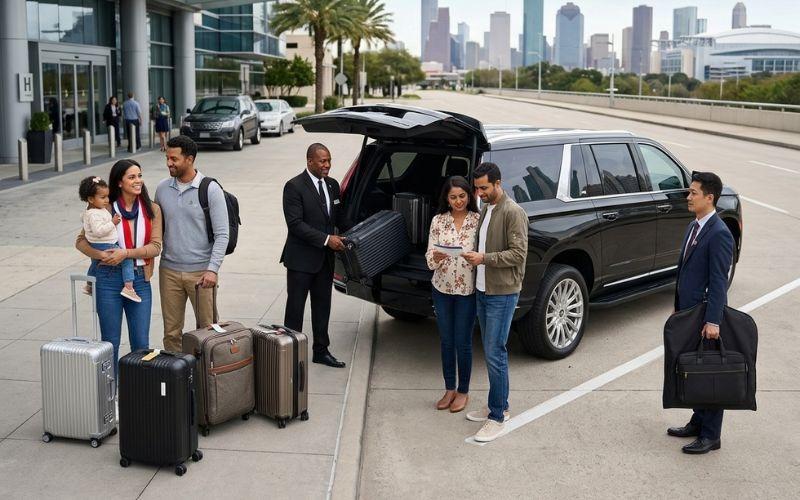
After a long international flight, many travelers simply want to reach their hotel without hassle. Ride-hailing apps are widely used in Houston and work reasonably well, though wait times can stretch during peak periods. For visitors arriving with several bags, traveling with family, or feeling worn down after many hours in the air, a pre-booked transportation service often makes more sense. It offers a direct pickup, a confirmed vehicle, and no need to compete for a ride in a crowded pickup zone. For many travelers, that kind of ease right after landing sets the right tone for the rest of the trip.
Where Visitors Stay Changes the Day
Hotel location shapes the entire travel rhythm of a stay. Houston does not have one central district where everything happens. The city has multiple areas — the Medical Center, Midtown, Downtown, the Galleria corridor, and others — and each sits at a different distance from NRG Stadium, where World Cup matches are expected to take place.
A visitor staying close to the stadium will have a short trip on match days but may be farther from restaurants, museums, and other city attractions. Someone staying Downtown or near the Galleria may enjoy more options around them but will need more travel time to reach the venue. Neither choice is wrong, but understanding that distance before booking accommodation helps visitors plan their days more realistically. Transportation time in Houston adds up faster than many expect.
Match Days Need a Different Approach
Match days are not like regular days in the city. Roads near the stadium fill early, parking areas reach capacity, and public transit options carry heavier loads than usual.
For organizers and groups managing transportation around major sporting events, event transportation solutions can help coordinate vehicles, routes, pickup points, and schedules more efficiently when demand increases.
Visitors who leave their hotel at the same time as most of the crowd will spend a good portion of that time waiting rather than moving.
Leaving earlier than seems necessary is one of the most practical steps a visitor can take. Having a clear pickup point confirmed in advance also helps. For those who prefer not to deal with crowd movement after the final whistle, private transportation can offer a quieter exit. Instead of waiting in long queues or standing in open areas for a shared ride, visitors with a booked car can arrange a specific meeting point and leave on their own schedule. That kind of flexibility matters after a long evening at a major venue.
Some Trips Feel Better in Private
Not every visitor travels the same way, and not every trip calls for the same type of transport. Families with young children benefit from the ability to keep everyone together in one vehicle, manage strollers or extra bags, and avoid the unpredictability of shared services. Older travelers or those with limited mobility may find private car arrangements more comfortable and less physically demanding.
Small groups traveling together, such as friends who flew in from different cities, often find it easier and more cost-effective to share a private vehicle rather than coordinate across multiple rideshares. Business travelers attending hospitality events alongside the tournament tend to prefer a quieter, more composed way to move between venues and meetings. In these situations, private car service is not about luxury. It is simply the option that fits the situation best.
Time, Comfort, and Simplicity Matter
Every traveler weighs different factors when deciding how to get around a city during a major event. Some focus mainly on cost, while others care more about waiting time, convenience, flexibility, or the ease of keeping their group together throughout the day.
Houston during the FIFA World Cup 2026 will test all of these priorities at once. Ride-hailing services will still be available, but delays may become common during peak periods. Public transit can be helpful in certain corridors, though it may not serve every hotel, stadium route, or visitor hotspot equally well. Rental cars offer independence, but parking pressure and traffic near major venues can quickly turn that freedom into another source of stress.
For most visitors, the better choice is not simply the cheapest option, but the one that best fits their schedule, comfort level, and daily plans. Travelers who think ahead about how they want to move through the city usually spend less time dealing with delays and more time enjoying the event itself. In many cases, a smoother and more organized urban travel experience starts with making transportation decisions before the busiest parts of the trip begin.
Small Steps Make Travel Smoother
Preparation does not have to be complicated. A few simple steps before and during the trip can take most of the stress out of getting around Houston during the World Cup.
- Check flight arrival times and plan the first leg of ground transport before landing, not after.
- Know where NRG Stadium is relative to the hotel, and estimate travel time honestly, especially during event periods.
- Pack and organize bags with transport in mind — fewer oversized items make every type of move easier.
- Build extra time into every match-day plan, both for getting there and for getting back.
- Keep transport booking confirmations, addresses, and contact details in one easy-to-find place.
- Travelers who want a calmer, more direct way to move around the city — especially for airport transfers or late-night returns — may find it worth booking private transportation in advance rather than relying on availability in the moment.
Houston will be a rewarding host city for the FIFA World Cup 2026. The venues, the atmosphere, and the scale of the event will make it a memorable trip for visitors from every corner of the world. Getting around will take some thought, but it does not need to be the hardest part of the visit. A little planning before arrival, an honest look at the distances involved, and a clear idea of what each traveler actually needs will go a long way toward making the whole trip run smoothly.