How Gold Rope Chains Reflect Culture and Status Through the Ages
Key Takeaways:
- Gold rope chains have symbolized wealth and power across various cultures and eras.
- Their design and significance have evolved, reflecting societal changes and fashion trends.
- Modern interpretations continue to honor their rich heritage while embracing contemporary styles.
Ancient Beginnings: Symbols of Divinity and Power
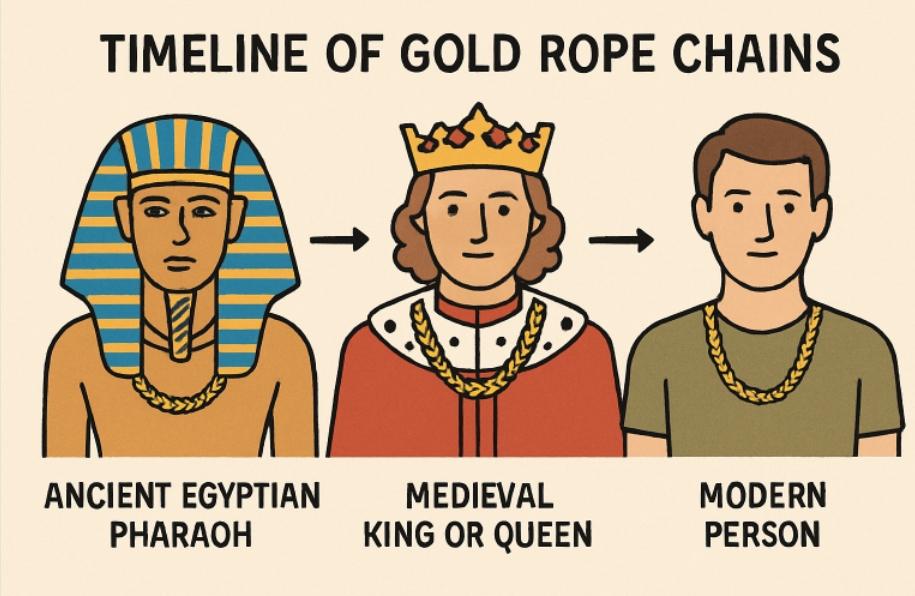
Gold rope chains have a legacy that stretches back to the dawn of civilization. In ancient societies like Egypt, these chains were not only decorative but also signified immense power and high rank. Pharaohs, draped in heavy gold chains during ceremonial events, communicated their divine connection and absolute authority. The aesthetic and symbolic aspects of these chains fascinated many cultures, as this guide to gold rope chains explains, detailing their rise from precious adornments to revered symbols of influence.
In ancient Greece, gold chains were treasured for both their beauty and their meaning. Soldiers sometimes wore metallic chains, crafted from silver or bronze, as tokens of valor and social standing. These early uses make it clear that gold rope chains served as much more than simple jewelry. They were tangible displays of authority and spiritual reverence, tying the wearer to notions of power and protection that transcended fashion trends.
The use of gold as a medium further linked these chains to ideas of eternity and immortality, highly significant in ancient funeral rites and religious practices. Chains were often buried with nobility, reflecting the belief that their power would continue in the afterlife.
For additional insight into the global resonance of gold in ancient times, visit the Smithsonian’s overview of gold and its historical importance, which delves into its cultural and symbolic uses across civilizations.
Medieval Europe: Emblems of Nobility and Faith
Transitioning to the Middle Ages, gold rope chains became essential to both secular and religious status. Monarchs, influential nobles, and high-ranking clergy wore elaborate chains to signify divine right and the authority to lead. These ornamental pieces were considered prized possessions, sometimes bestowed as rewards for loyalty or pivotal achievements in court or battle. The design of these chains also shifted during this era, as more attention was paid to intricate links and patterns, inspired by technological advances and cross-cultural trade.
Artisans and Craftsmanship
Renaissance artisans honed the process of chain-making, adding complexity and artistry that elevated the gold rope chain into a masterpiece of craftsmanship. Chains from this era often included gemstones or finely wrought clasps, serving as both wealth declarations and objets d’art. The careful attention to detail underscored both spiritual devotion and worldly authority, giving the wearer a visible edge in social or religious gatherings.
The Renaissance: Artistry and Social Status
During the Renaissance, society placed great value on personal adornment as an indicator of one’s status. Gold rope chains, often lavish and intricately designed, became gifts from rulers to their most trusted courtiers. Not only did these gestures acknowledge the recipient’s important position, but they also reinforced the hierarchical structure of the time. Possessing such a chain signaled favor from royalty and a place among the elite.
The culture of gifting and wearing ornate gold chains reflected the period’s revitalized appreciation for both art and personal prestige. The designs continue to inspire modern jewelry trends, as seen in contemporary luxury collections and museum exhibits worldwide.
20th Century: From Tradition to Trend
The story of gold rope chains saw a dramatic shift in the twentieth century. No longer strictly reserved for society’s elite, these chains transitioned into dynamic accessories embraced by the broader public. They became fashionable icons within men’s wardrobes, ranging from subtle designs to bold, attention-grabbing links.
Perhaps the most influential change emerged from pop culture, particularly in hip-hop. The genre’s rise in the late twentieth century turned oversized gold rope chains into emblems of success and personal statement. Rappers and artists adopted lavish, chunky designs as signs of achievement, confidence, and even rebellion, making the gold rope chain accessible and aspirational for a new generation. This phenomenon is well documented by Time’s exploration of the Roc-A-Fella chain’s significance in hip-hop.
Modern Interpretations: Versatility and Personal Expression
Today, gold rope chains embody versatility and individual expression. Their timeless design allows for countless styling options. People wear them solo for a sleek, minimalist look or layer them for a bolder, trend-forward statement. Some enjoy pairing chains with meaningful pendants, further personalizing their jewelry and blending traditions with modern taste.
Consumers appreciate that gold rope chains carry both cultural legacy and sartorial adaptability. The fusion of traditional artistry with contemporary trends ensures their continued relevance, whether at a formal event or as an everyday accessory. Their enduring appeal lies in the perfect balance of history, quality, and personal expression.
Craftsmanship and Materials: A Testament to Quality
The structure of gold rope chains showcases remarkable craftsmanship. Made from connecting a series of small, twisted links, these chains mimic the texture of rope while retaining flexibility and durability. Originally crafted in pure gold, modern adaptations embrace various alloys to improve resilience and offer a wider range of finishes. This technical evolution has helped preserve the chain’s elegance while broadening its accessibility.
Gender and Cultural Fluidity: A Universal Symbol
Far from confined to specific social groups, gold rope chains have become a fashion mainstay for people of all genders and backgrounds. Designers such as Coco Chanel helped popularize chains in women’s fashion, while hip-hop icons in the 1980s and 1990s claimed them as markers of identity and achievement. The result is a democratized piece of jewelry that adapts seamlessly to diverse cultural and personal narratives.
Conclusion
From ancient emblems of divinity and authority to contemporary symbols of personal style, gold rope chains bridge cultural eras and social divides. Their powerful symbolism and enduring craftsmanship have made them a favorite across millennia. As fashion continues to evolve, these chains will undoubtedly retain their allure, remaining a testament to the ways jewelry can reflect and shape our collective heritage.