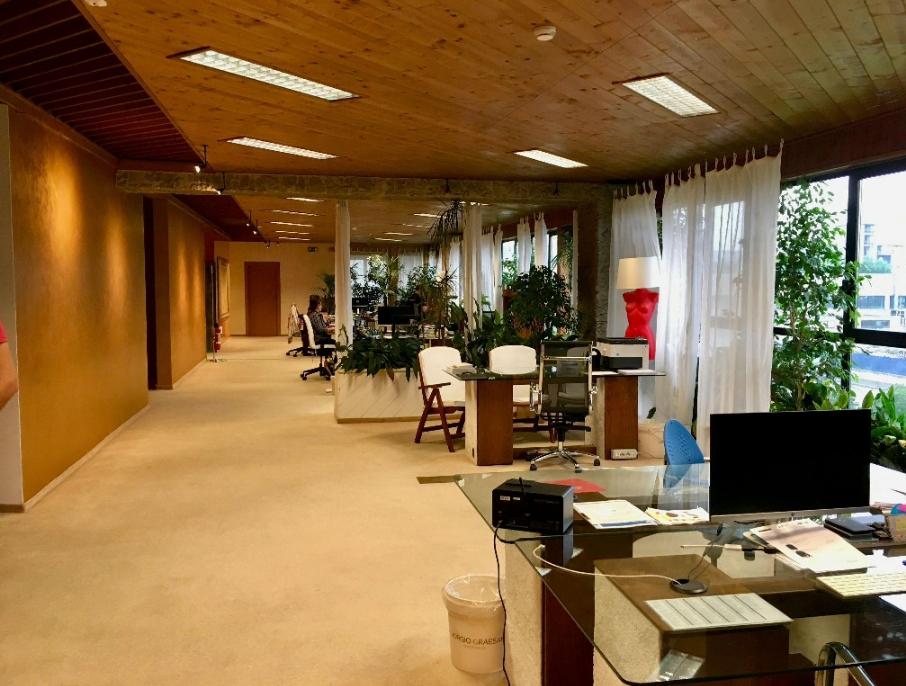
What Australian Businesses Need to Know When Moving Commercial Premises
Relocating a business from one commercial premises to another is one of the most logistically demanding transitions a company can undertake, and it is one where the financial consequences of poor planning consistently exceed what most business owners anticipate when they first sign the new lease.
From the obligations that govern how a vacated space must be returned to its landlord, to the decisions that determine how well a new space functions from day one, every stage of a commercial relocation rewards early, informed preparation.
The Exit Obligations That Catch Tenants Off Guard
Australian commercial leases almost universally include make-good clauses that require tenants to return the premises to their original condition at the end of the tenancy.
For warehouse and industrial tenants in particular, this obligation is frequently underestimated, because the scope of what needs to be removed and restored goes well beyond simply cleaning the space and handing back the keys.
Pallet racking, shelving systems, mezzanine floors, and any other installed infrastructure must be fully dismantled and removed, and all anchor bolts, dynabolts, and concrete fixings left behind must be extracted, and the slab patched to a standard acceptable to the outgoing landlord.
Failure to complete these works before the handover date typically results in the landlord engaging their own contractors to complete the restoration at the tenant’s expense, with those costs consistently running significantly higher than what a specialist removal contractor would have charged.
Why Racking Removal Is a Job for Specialists
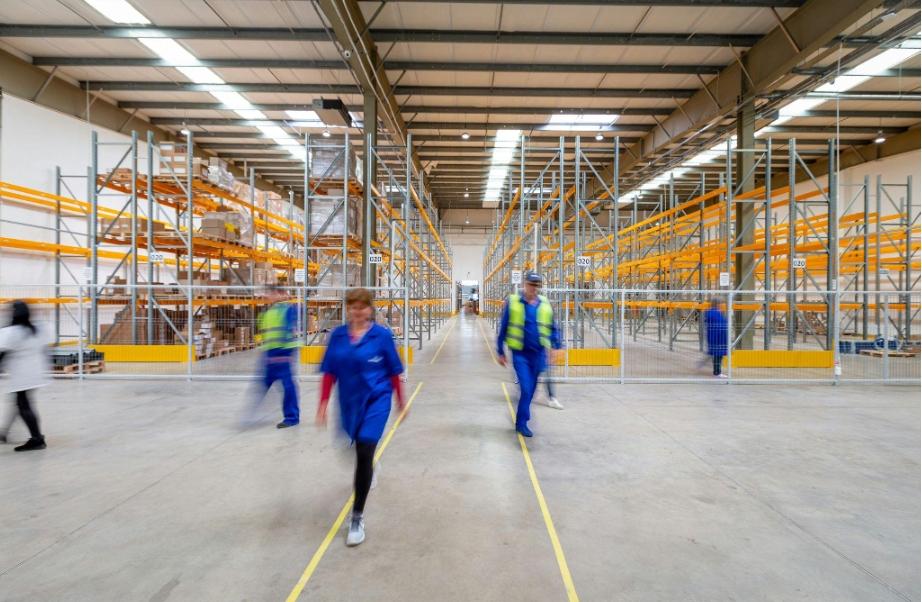
Warehouse racking systems are engineered structures held under significant tension by bolt and anchor systems designed to resist the loads of heavily stocked shelving.
Dismantling them without the right equipment, training, and methodology creates genuine structural and safety risks, and the concrete floors beneath them are highly vulnerable to damage when bolts are removed incorrectly.
Businesses vacating warehouse or industrial spaces should engage expert racking removal solutions through Lightning Bolt Removal, which specialises in complete warehouse strip-outs, including racking dismantling, sorting, bundling, on-site loading, concrete anchor removal, hole refilling, floor grinding, and full make-good preparation.
Their single-team approach eliminates the coordination burden of managing multiple trades across the strip-out process, and their same-day quoting and flexible scheduling mean businesses operating under tight landlord deadlines can get work started without delay.
Managing Timelines Between Vacating and Occupying
The commercial relocation timeline for most businesses involves an unavoidable period of overlap or gap between the exit date of the old premises and the occupation date of the new one, and the management of this window is where money is most commonly lost.
Every day the vacated space remains unrestored may attract holding costs, and every day the new space is not ready for operation delays the resumption of full business productivity.
Engaging a specialist strip-out contractor as early as possible in the relocation process, ideally at the same time as new lease negotiations are being concluded, allows the make-good work to be scoped, quoted, and scheduled as a defined project with a fixed timeline and cost rather than as a last-minute scramble in the weeks before the handover date.
This planning discipline consistently produces faster, cheaper, and less stressful outcomes than the alternative of deferring the make-good process until the operational move is already underway.
The Floor Surface as the Foundation of the New Space
While the exit process focuses heavily on restoration and removal, the fit-out of the new commercial premises involves an equally important set of decisions, and the flooring specification is frequently the one that has the greatest long-term impact on how the space functions and how it is perceived.
Commercial flooring performs a fundamentally different role to residential flooring because it must tolerate sustained heavy foot traffic, furniture movement, equipment loads, cleaning chemicals, and the constant wear of daily business operations without deteriorating visibly or structurally within its expected service life.
The flooring choice also shapes the first impression formed by every customer, client, employee, and visitor who enters the premises, which is why the investment in a well-specified commercial floor consistently delivers returns that extend beyond the functional and into the reputational and competitive dimensions of the business environment.
A retail space, corporate office, healthcare facility, and hospitality venue each demands different flooring solutions in terms of material, construction, maintenance profile, and aesthetic character.
What Distinguishes Commercial Flooring from Residential Products
Commercial-grade carpet, luxury vinyl, laminate, hybrid, and timber flooring are all manufactured to specifications that differ from their residential counterparts in ways that directly affect their performance in high-demand business environments.
Wear layers are significantly thicker, construction standards are higher, and backing and adhesive systems are engineered to remain stable under the sustained mechanical stress of commercial use rather than the relatively light loading of a household.
For businesses fitting out new commercial premises across Sydney, quality commercial floor coverings from Carpet Right span the full range of commercial-grade options, including carpet, carpet tiles, luxury vinyl, hybrid, laminate, and timber, all supplied and installed by Sydney’s largest independent commercial flooring retailer with 38 years of experience across retail, corporate, hospitality, and healthcare sectors.
Their end-to-end service covers expert consultation, product selection from trusted partner brands including Godfrey Hirst and Karndean, professional installation by skilled local installers, and trade supply options for builders and shopfitters managing larger commercial fit-out projects.
Matching the Floor to the Business Environment
Retail environments benefit from flooring that creates an atmosphere aligned with the brand, guides customers through the space intuitively, and withstands the concentrated foot traffic patterns that develop around high-volume display and service areas.
Commercial carpet tiles are a particularly practical choice for retail because individual tiles can be replaced if heavily worn areas develop, which significantly extends the effective lifespan of the installation and avoids the disruption and cost of a full floor replacement.
Corporate offices typically prioritise acoustic performance alongside durability and aesthetic professionalism, with carpet and hybrid flooring both offering the sound absorption that open-plan environments need to remain functional as working spaces.
Healthcare settings require flooring that can be cleaned thoroughly and frequently with hospital-grade disinfectants, resists bacterial growth, provides adequate slip resistance in wet conditions, and meets the specific infection control standards applicable to the facility type.
Thinking of the Relocation as a Complete Project
The businesses that navigate commercial relocations most successfully are those that treat the exit and entry processes as two halves of a single project rather than as separate events managed by different people with different budgets and timelines.
When the make-good obligations on the departing premises and the fit-out requirements of the arriving premises are planned in parallel from the outset of the relocation process, the total time, cost, and disruption involved is consistently lower than when each half is managed reactively and in isolation.
Early engagement with a specialist strip-out contractor and a commercial flooring supplier gives a business the information it needs to schedule both processes realistically around the operational demands of the move, protect the security deposit on the vacated lease, and ensure the new premises are properly prepared for business from the day the doors open.
Managed carefully, a commercial relocation is not just a logistical burden but an opportunity to upgrade the working environment, improve the operational layout, and start the next chapter of the business from a stronger physical foundation.