Everything Australians Need to Know About Building Below Ground
The most consequential decisions in any construction or property improvement project are almost always the ones that happen below the surface and out of sight.
Whether laying the foundation for a new structure or excavating beneath an existing home to create additional living space, the quality of the work done underground determines the structural integrity, longevity, and safety of everything built above it for the entire life of the building.
Why Below-Ground Construction Is Having a Moment in Australia
Rising land prices, shrinking block sizes, and growing awareness of the liveable space sitting beneath existing properties have pushed subsurface construction into the mainstream across Melbourne, Sydney, and other major Australian cities.
Homeowners who cannot afford to move to a larger property and face council restrictions on expanding upward or outward are increasingly turning downward, either to improve the foundations of what they have or to unlock entirely new rooms beneath their existing footprint.
The technologies and specialist services available to support both of these decisions have advanced considerably in recent years, and the number of Australian households and construction projects engaging subsurface specialists has grown accordingly.
Understanding the two primary categories of below-ground construction, foundation engineering and basement or underground room creation, is the most useful starting point for any property owner considering work of this kind.
Foundation Engineering and Why the Right Piling System Matters
Every structure, whether a new home, a deck, a commercial building, or a large extension, requires a foundation system capable of transferring the load of the structure safely into the soil beneath it.
In Australia’s variable ground conditions, which range from reactive clay in Melbourne’s western suburbs to sandy coastal soils and rocky profiles across other regions, choosing the right foundation system is a decision with significant consequences for both the cost and the structural performance of the finished project.
Screw piles, also called screw piers or helical piles, have become one of the most widely adopted foundation solutions in modern Australian construction because they address several of the limitations of traditional concrete pier systems simultaneously.
For any project in Victoria that requires fast, reliable, and cost-effective foundation installation with minimal site disruption, working with professional screw piling contractors in Melbourne through Blade Pile brings ISO-certified engineering expertise, high-strength steel screw piles manufactured to precise specifications, and a fully certified installation and documentation process that satisfies the requirements of engineers, builders, and councils.
What Makes Screw Piles the Preferred Choice for Modern Builds
A screw pile consists of a central steel shaft with helical blades welded around it, which allows the pile to be mechanically wound into the ground rather than requiring concrete to be poured and cured before any load can be applied.
This fundamental difference from traditional methods produces several practical advantages that have made screw piles the foundation system of choice across residential, commercial, and industrial applications in Victoria and beyond.
Installation is significantly faster than concrete piling, with most residential projects completed within a single day and loads able to be applied immediately rather than waiting for concrete cure times.
The installation process causes minimal disturbance to the surrounding soil and site, which matters considerably for projects in tight urban conditions, established gardens, or areas where access is restricted.
Screw piles are also suitable for areas with high water tables, challenging soil conditions, and variable load requirements, and the entire system is recyclable at the end of life, which aligns with the environmental expectations of modern construction projects.
Understanding When Underpinning and Excavation Are Needed

Foundation engineering addresses how loads are supported from above, but a separate and equally significant category of below-ground construction addresses how existing properties can be physically expanded downward.
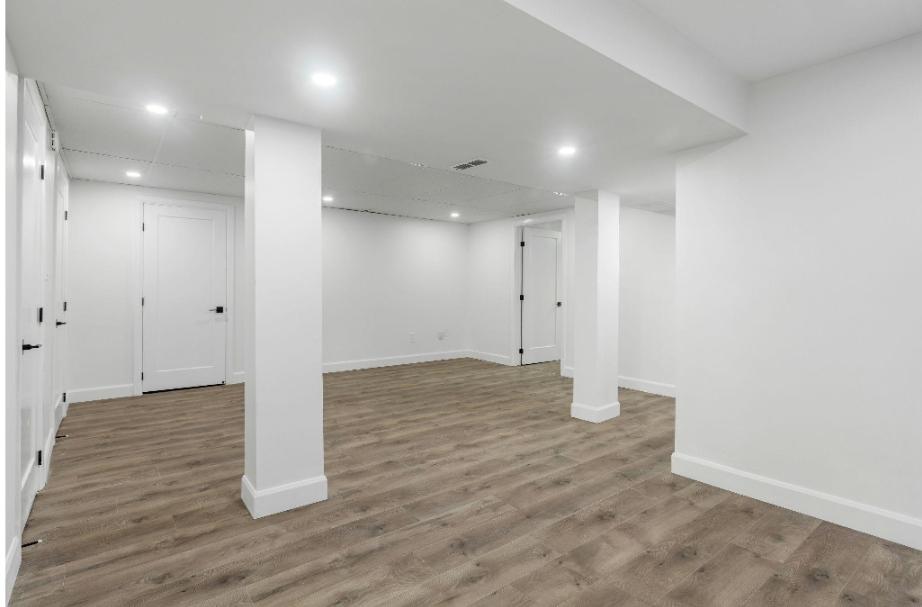
Excavating beneath an existing home to create a basement or underground room involves a completely different set of engineering challenges, including the need to support existing structures during excavation, manage soil removal from confined spaces, waterproof the finished space against groundwater intrusion, and install the ventilation and drainage systems that make the underground space genuinely livable.
Before committing to a basement excavation project, every homeowner needs a realistic understanding of the cost variables involved, and those variables are numerous and site-specific in ways that make upfront planning essential.
For a detailed breakdown of what determines the final cost of this kind of project, the comprehensive guide to learn about digging out a basement published by Substructure Solutions.
All the key cost drivers in detail, including soil type and its effect on excavation difficulty, depth requirements, and their regulatory implications, underpinning costs for excavating beneath standing structures, waterproofing and climate control systems, and the significant cost difference between delivering an unfinished shell and a fully liveable turnkey basement.
What Basement Excavation Actually Costs in Australia
The cost of digging out a basement in Australia typically ranges from $3,500 to $10,000 per square metre, with the final figure determined by a combination of factors including soil conditions, excavation depth, whether underpinning of existing foundations is required, and the level of finish applied to the completed space.
A 40 square metre basement beneath a Sydney terrace, for example, might involve excavation costs of around $112,000, underpinning costs of $35,000, waterproofing of $12,000, and basic finishes of $60,000, bringing the realistic total to approximately $219,000 before any premium fixtures or systems are added.
Hidden costs that frequently catch homeowners off guard include council permit fees ranging from $2,000 to $8,000, geotechnical soil testing of $800 to $3,000, soil disposal costs of $5,000 to $12,000 per 100 cubic metres removed, and the possibility of encountering buried services, rock shelves, or tree root systems that add between $5,000 and $25,000 to the excavation budget.
Understanding these variables before obtaining quotes is the difference between a project that delivers its expected return and one that blows its budget before the walls are finished.
The Risks of Approaching Either Project Without a Specialist
Both screw pile installation and basement excavation are technical subsurface disciplines where the consequences of poor workmanship, incorrect engineering assumptions, or inadequate compliance with Australian standards can be severe and expensive to remedy after the fact.
A foundation system that has not been matched to the actual load requirements and soil conditions of the site can fail progressively, causing structural cracking, settlement, and in extreme cases, significant structural compromise that requires emergency intervention.
Basement excavation carried out without proper soil assessment, appropriate underpinning of existing structures, and correctly designed waterproofing creates risks that include collapse during excavation, cracking of the existing structure above, and moisture intrusion that renders the finished space unusable and creates ongoing maintenance costs.
Both disciplines require licensed engineers, certified installers, council approval, and documentation that demonstrates compliance with Australian standards, none of which can be reliably achieved through a DIY approach or by engaging general contractors without specific subsurface expertise.
Making Informed Decisions About Below-Ground Investment
The best starting point for any homeowner or developer considering below-ground construction is a professional site assessment that evaluates the specific soil conditions, existing foundation type, drainage characteristics, and access constraints of the property before any design or budgeting decisions are made.
This assessment provides the factual basis for a realistic project scope and budget rather than relying on generalised estimates that may bear little relationship to the specific challenges of the site.
Both foundation engineering and basement creation represent significant investments that reward careful planning, specialist engagement, and a clear understanding of what is achievable within the budget and site constraints available.
When approached correctly with the right professionals and realistic expectations, they are among the most durable and financially rewarding structural decisions a property owner can make.