
Pain Management 101: What Every Patient Should Know Before Their First Visit
Chronic pain has a way of quietly reshaping your entire life. It changes how you sleep, how you work, how you interact with the people around you, and how you perceive yourself. When the pain finally becomes too persistent to ignore, many people find themselves booking an appointment with a pain management specialist, often with very little idea of what to expect. Walking into that first visit unprepared can make an already overwhelming experience feel even more daunting. Knowing what lies ahead, however, can shift that appointment from something you dread to something that genuinely marks a turning point.
A Quick Overview of Pain Management
Pain management focuses on improving quality of life by addressing both symptoms and underlying causes. It’s not just about taking medication – specialists often use a combination of therapies, including physical therapy, minimally invasive procedures, lifestyle adjustments, and counseling.
Because treatment plans vary from person to person, working with a pain management doctor Brooklyn you can trust can make a meaningful difference in how these approaches are tailored to your needs. The goal is to restore function, reduce discomfort, and help you navigate daily activities more effectively. This long-term approach encourages realistic expectations and steady progress.
Preparation Before Your Appointment
Organizing your medical information in advance can make your first visit smoother. Consider bringing:
- Details about previous injuries, surgeries, and ongoing medical conditions
- A list of current medications, supplements, and allergies
- Lab results, imaging reports, or prior treatment summaries
Having comprehensive records helps your provider understand your situation and design a treatment plan that fits your needs.
Tracking your pain over time is equally valuable. You might include:
- Frequency and intensity of pain episodes
- Triggers that worsen or alleviate symptoms
- Observations about sleep, stress, or daily activities that affect pain
Keeping a short journal or checklist allows you to communicate your experiences clearly. This preparation ensures your care team has the information they need for a productive, personalized discussion during your appointment.
What to Expect During the Visit
Your first appointment typically involves several steps. These are designed to give your provider a complete understanding of your condition and help create a personalized treatment plan. During this visit, you can generally expect the following:
- Detailed medical discussion: The healthcare specialist will ask about your current symptoms, how long you’ve been experiencing them, previous treatments, and any ongoing medical conditions. This helps them understand your overall health and identify possible contributing factors.
- Lifestyle and daily routine review: Questions about work, sleep patterns, physical activity, and stress levels help your doctor see how pain affects your everyday life. Sharing this information allows for a more personalized approach.
- Pain history assessment: Expect to discuss the frequency, intensity, triggers, and relief strategies for your pain. Even small details, like how certain activities or weather changes affect your discomfort, are useful.
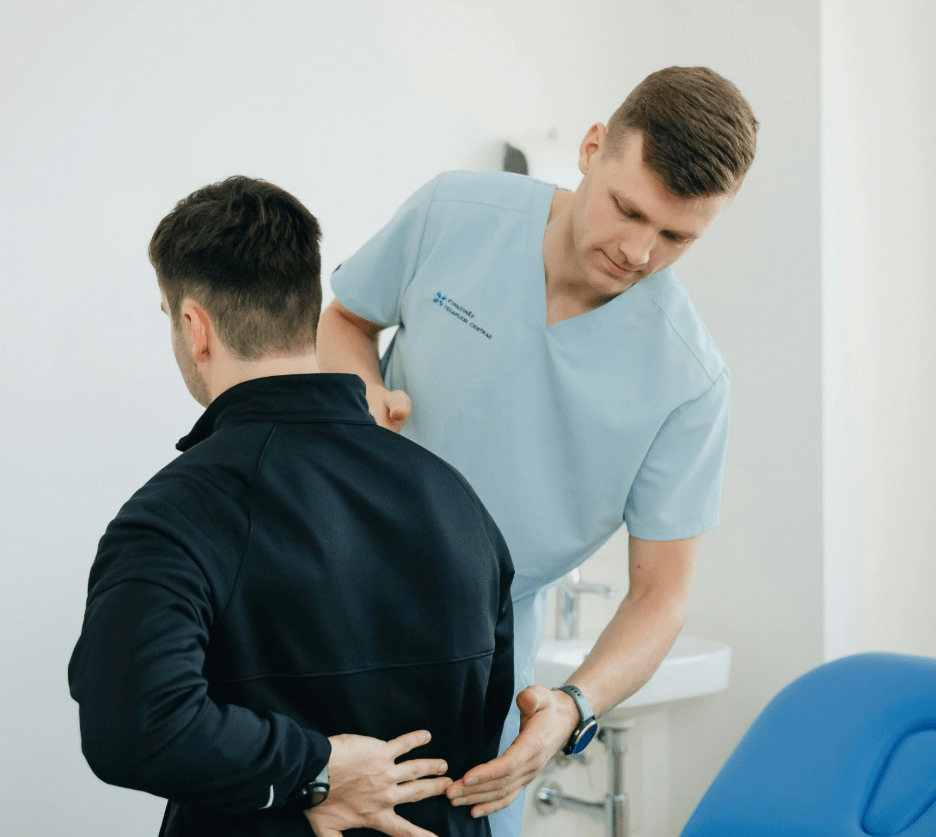
- Physical examination or imaging review: Your provider may perform a physical exam to evaluate mobility, strength, posture, and areas of tenderness. They may also review prior imaging, such as X-rays, MRIs, or CT scans, to pinpoint potential causes.
- Open communication and questions: Be prepared to ask questions about treatment options, risks, benefits, and expected outcomes. Clarifying these details helps you understand what to expect and reduces uncertainty.
- Collaborative care planning: The visit is about building a partnership with your doctor. Your goals, concerns, and preferences will influence your treatment plan, making it a collaborative process rather than a one-sided prescription.
- Documentation and follow-up: Taking notes or requesting written instructions can help you remember recommendations, next steps, and self-care strategies after the visit. Your provider may also suggest follow-up appointments or additional tests.
Approaching the visit with these points in mind helps you feel prepared and well-equipped. Being organized, open, and proactive ensures the healthcare professional has the information needed to create an effective, personalized plan for managing your pain.
Common Treatment Approaches
It’s no secret that managing pain effectively usually requires a combination of strategies tailored to each patient’s needs. Common approaches include:
- Acupuncture: Fine needles are placed at specific points on the body to help relieve pain and support natural healing. Many patients find it helpful for chronic discomfort or tension.
- Over-the-counter (OTC) medications: Pain relievers such as acetaminophen or ibuprofen can help manage mild to moderate pain. Your provider can guide you on safe usage and appropriate dosing.
- Meditation: Mindfulness and meditation techniques can reduce stress, improve coping skills, and help change how pain is perceived over time. This wellness practice may also support emotional resilience and overall mental wellbeing.
- Chiropractic adjustments: Targeted spinal and joint manipulations can improve alignment, reduce discomfort, and enhance mobility for some patients.
In addition to these therapies, addressing emotional and mental well-being is crucial. Chronic pain often contributes to anxiety, frustration, or depression, which can worsen physical symptoms. Counseling, breathing exercises, and relaxation techniques can complement medical or alternative treatments, improving overall effectiveness.
Being aware of these options allows patients to make informed decisions, combine therapies strategically, and take an active role in their care for better long-term results.
In Summary
Pain management is not a one-size-fits-all process, and your first visit is just the beginning of a personalized journey toward relief. Being prepared, asking questions, and staying open to different approaches can make a meaningful difference in your experience. Each step you take, no matter how small, contributes to better control over your symptoms and improved daily function. With the right support and a proactive mindset, managing pain becomes more achievable over time. Taking that first step toward care is often the most important one.