RiseGuide for Beginners: How to Start and What to Expect
Starting a new self development app can feel exciting but also confusing. Many beginners download self improvement apps expecting fast results, only to realize that real personal growth comes from small daily actions and consistency.
This beginner guide is for anyone who just discovered the RiseGuide app and wants a clear roadmap for the first 30 days. If you approach it with realistic expectations, a simple daily routine, and one clear goal, your first month should feel structured, motivating, and practical rather than overwhelming.
What beginners get inside RiseGuide
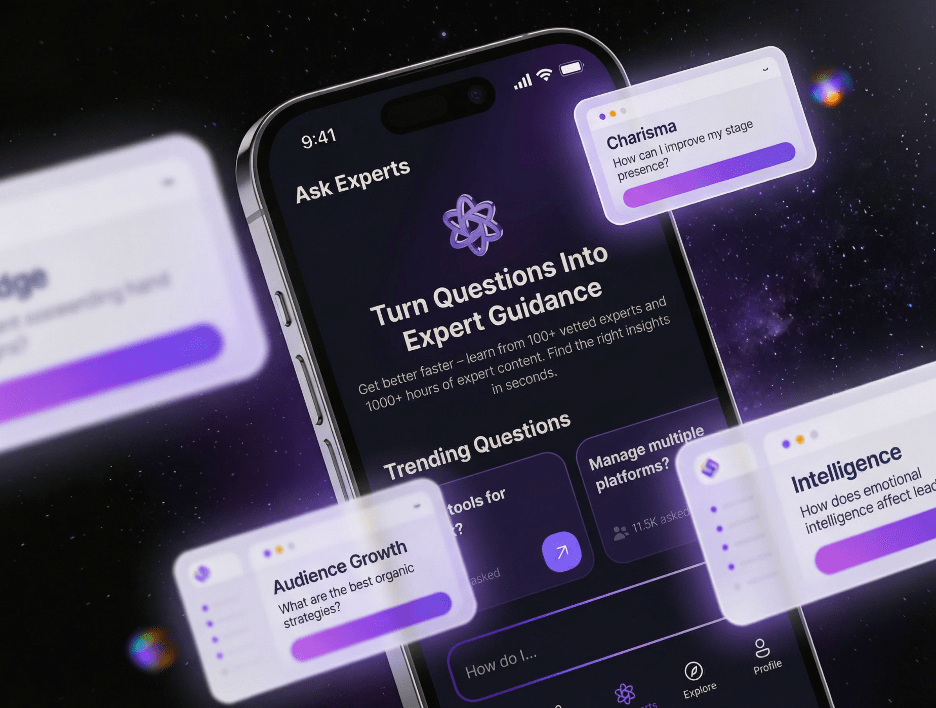
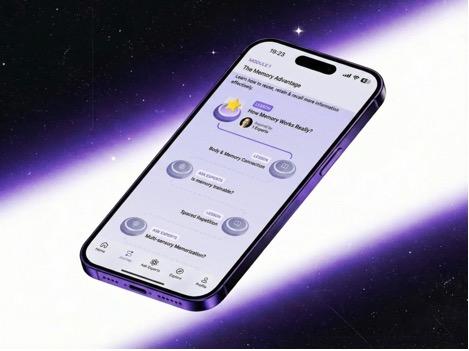
If you are wondering what is RiseGuide, the simplest explanation is that it is a personal growth plan combined with a structured learning system. The rise guide app organizes development into “Journeys”, which are structured learning paths focused on specific improvement areas.
Inside the riseguide app beginners typically find:
- Journeys focused on topics like intelligent training, creating habits, communication and charisma mastery, and confidence building
- Short lessons designed to be completed daily
- Action prompts that turn ideas into practical steps
- Progress indicators that help track consistency
- A repeatable daily structure that builds habit formation
- Tools made for practicing new material
Unlike many self improvement apps that only provide motivational content, RiseGuide aims to combine learning with action. The idea is simple: small daily steps create measurable progress and compound over time.
This is something often mentioned in riseguide reviews, where real users highlight structure and daily guidance as the main differentiator compared to typical personal growth courses.
How to choose your first Journey
One of the most common beginner mistakes is choosing too many goals at once. The platform may offer multiple interesting Journeys, but starting with one that’s the most relevant to your current goals increases your chances of building consistency.
Pick one outcome, not three
Many beginners try to improve everything they have issues with: focus, productivity, intelligence, confidence, and routines. This usually leads to scattered attention and lower completion rates.
Instead, choose one main outcome such as:
- Building a daily routine
- Creating better habits in one specific area
- Developing confidence
- Training your memory
A single focus creates a clearer roadmap and makes progress easier to notice.
Match the Journey to a real-life problem
The best first Journey usually connects to something you already struggle with daily.
For example:
- If you feel disorganized, start with habits building
- If you struggle with remembering names, choose intelligence training (as a bonus, RiseGuide has a name trainer feature!)
- If you lack confidence in small talk, pick a communication mastery path
Many Riseguide review discussions mention that users who connect their Journey to a real problem tend to stay more consistent and enjoy their learning experience.
A simple 15-minute daily routine for the first 30 days
The biggest advantage beginners can create is not speed but consistency. Even 15 minutes daily can create visible progress if done regularly.
A simple beginner routine could look like this:
Step 1: Read one short lesson (8 to 11 minutes)
Focus only on understanding one idea. Avoid jumping between topics.
Step 2: Complete the action step (2 to 3 minutes)
This is where many people fail. Reading without applying is the most common reason people later ask “does riseguide work”. It does if you do!
Step 3: Think of a one quick reflection (1 minute)
Answer one simple question:
- What did I learn today?
- What will I try tomorrow?
This creates awareness and helps build new habit memory.
This small structure turns the riseguide app from passive reading into an active self improvement routine.
What to expect in week 1 vs month 1
Many beginners quit because their initial expectations (from themselves AND the app) are unrealistic. Understanding what progress actually looks like helps avoid disappointment.
Week 1 (realistic) expectations:
- Better clarity about your goals
- Higher understanding of the topic you’re interested in
- Building a simple daily routine
- Small motivation boosts
Month 1 expectations:
- More stable daily usage of new skills
- Better focus on priorities
- Improved consistency
- Small behavioral changes
What usually does not happen in 30 days:
- Complete personality transformation
- Instant confidence changes
- Major life results
Most self development app progress starts with awareness and structure, not dramatic change. This pattern appears frequently in riseguide reviews where long term users describe gradual improvement rather than instant results.
Why some beginners think it “doesn’t work”
When people say a self improvement app failed them, the reason is often behavioral (and personal) rather than technical.
Common beginner mistakes include:
- Skipping days and breaking routine
- Choosing too many goals at once
- Reading without doing the exercises
- Expecting motivation instead of building consistent habits
- Comparing results too quickly
When people ask “does riseguide work”, the better question is usually whether they followed the daily structure.
Most personal growth systems work best when treated as practice rather than content consumption.
How to review your first 30 days
Instead of asking “Did my life change?”, beginners should measure practical signals of progress.
A good 30 day review could include:
Completion
- How many days did you complete?
- Did you maintain a daily habit?
Routine stability
- Did the process become easier?
- Did the daily steps feel automatic?
Behavior changes
Look for small changes in your one chosen area, such as:
- Planning your day more often
- Less distraction at work
- Better focus blocks
- More structured thinking
These indicators are much more realistic than vague transformation expectations.
When to continue, switch Journeys, or stop
After your first month, use a simple decision rule:
Continue if:
- You see little but consistent progress
- The time investment feels reasonable and not overwhelming
- The structure helps your routine
Switch Journeys if:
- The topic does not match your needs
- You lost interest, but want to continue improving in other areas of your life
- Another Journey fits your current goals better
Stop if:
- You cannot maintain even a short routine
- The format does not match your learning style
- The motivation cost feels too high
Many riseguide reviews suggest that switching Journeys rather than quitting completely often helps maintain progress.
RiseGuide Cost
The cost of RiseGuide depends on several factors, including the course duration, your location, applicable local taxes, and any active promotions. The platform offers three subscription options: 4 weeks (28 days), 12 weeks (84 days), and 24 weeks (168 days).
New users are eligible for a reduced introductory price for their first billing period. For example, the 4-week plan may start from $19.99 as a limited-time introductory offer. Similarly, the 12-week plan may start from $39.99, and the 24-week plan from $74.99. These discounted rates are typically applied once, at the beginning of the subscription.
After the introductory period ends, the subscription automatically renews at the standard price. Renewal prices can reach up to $39.99 for the 4-week plan, $79.99 for the 12-week plan, and $149.99 for the 24-week plan.
It’s important to remember that final pricing may vary depending on regional pricing, currency conversion, local taxes, and any active promotions at the time of purchase. The most accurate price for your subscription is always displayed before completing the purchase and is also included in the confirmation email you receive after the payment.
FAQs
What is RiseGuide?
RiseGuide is a structured self development app that provides guided Journeys, short lessons, and daily action steps designed to help users build better habits and cognitive skills.
How long before results?
Most beginners notice better clarity and routine improvements within a few weeks. Deeper personal growth usually requires several months of consistent practice.
Which Journey should I start with?
If you’re just getting started, the Intelligence Training Journey is the best place to begin. It helps to build the foundation for all other progress by focusing on essential cognitive skills like memory, focus, and learning ability.
In just 10-15 minutes a day, you follow a structured plan designed to help you retain information better, think more clearly, and stay focused longer. The program combines simple techniques with practical exercises, making it easy to apply what you learn in everyday life.
Starting with this journey ensures you develop the core mental skills first – so everything else you learn becomes easier, faster, and more effective.
Conclusion
The best way to start with RiseGuide is simple: one Journey, one goal, and one daily routine. Treat the first 30 days as an experiment rather than a transformation project.
If you want the best beginner results:
- Choose one clear outcome
- Follow a short daily routine
- Focus on consistency over intensity
- Review your progress after 30 days
Most progress in self improvement apps comes from showing up daily, not from doing everything perfectly. Start small, stay consistent, and give yourself a clear review date after your first month to decide your next step.