From Passion to Profession: Building a Career as a Swimming Instructor in Swimming, Sports, and Recreation
Swimming is not only a quintessential life skill but also a rewarding and fulfilling career path for those passionate about water-based activities. The demand for a proficient swimming instructor in Singapore is on the rise as more people are keen on learning how to swim, either for leisure, sports, or therapeutic purposes. This represents a dynamic intersection where one can transform a passion for swimming into a sustainable profession through structured training programmes.
Essential Qualifications and Training
To become a swimming instructor, obtaining the necessary qualifications and certifications is non-negotiable. This process typically involves enrolling in courses that cover both theoretical knowledge and practical skills. Candidates must understand water safety, teaching techniques, and rescue protocols. Recognised certifications, such as those from lifesaving societies or national swimming authorities, are critical in cementing one’s credibility as an instructor. These certifications ensure that an instructor is well-equipped to handle various swimming scenarios and provide students with a comprehensive learning experience.
Role and Responsibilities of a Swimming Instructor
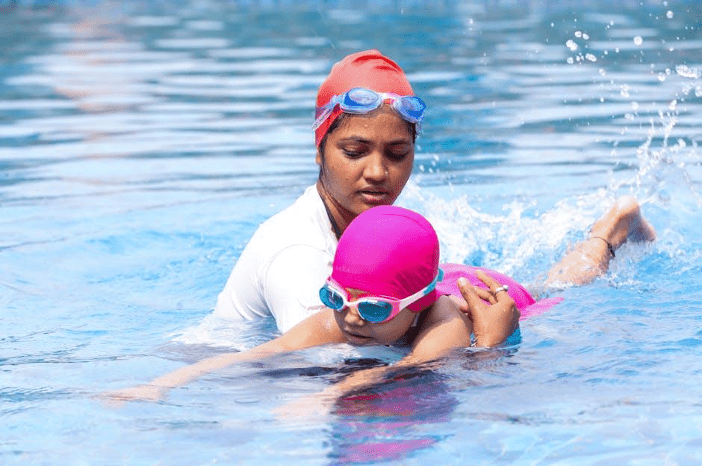
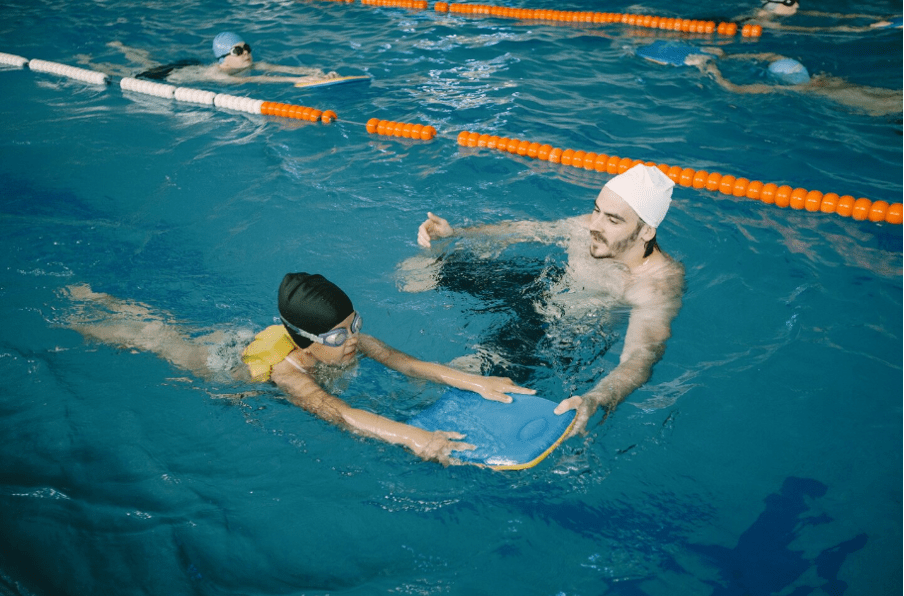
A swimming instructor’s primary role is to educate individuals across different age groups, from toddlers to adults, in mastering swimming techniques. Instructors must develop tailored programmes based on the learner’s age, skill level, and objectives. They need to be adept at instructing various swimming styles, such as the freestyle, backstroke, breaststroke, and butterfly. Beyond technique, instructors emphasise water safety practices to instil a sense of security and confidence in their students. Continuous assessment of student progress and adapting teaching strategies accordingly is a hallmark of successful swimming instruction.
The Growing Demand for Swim Trainers
The demand for swimming instructors is growing, driven by increasing awareness of water safety and a general enthusiasm for aquatic activities. Parents enrol their children in swimming classes at an early age, and adults also seek instruction to improve fitness or overcome aquaphobia. The rising popularity of competitive swimming and triathlons has further underscored the need for professional guidance. Being a swimming instructor is not only about teaching; it involves inspiring and motivating students to achieve personal milestones in the water.
Career Opportunities and Specialisations
The realm of swimming instruction offers a plethora of career opportunities. While many instructors work at public and private swimming facilities, others venture into self-employment or freelance work, offering personalised coaching. Some instructors may choose to specialise in specific areas of aquatic instruction, such as infant swimming, synchronised swimming, or therapeutic aquatic exercises. This specialisation can enhance one’s credentials and attract a broader clientele base. Furthermore, experienced instructors can advance into roles such as heads of aquatics departments, programme coordinators, or even open swim schools.
Continuous Professional Development
As with any professional field, continuous learning and skill enhancement are vital for swimming instructors. Engaging in ongoing professional development by attending workshops, seminars, and advanced certification courses can keep instructors abreast of the latest teaching methodologies, techniques, and safety standards. Additionally, joining professional associations allows instructors to network with peers, share insights, and exchange valuable industry information.
Challenges and Rewards of the Profession
The life of a swimming instructor is replete with both challenges and rewards. Instructors must be prepared to work flexible hours, including weekends, to accommodate the varying schedules of their clients. Managing large groups, particularly with younger learners, demands patience, effective communication, and impeccable organisational skills. Ergonomically, swimming instruction is physically demanding, requiring instructors to spend considerable time in the water while demonstrating techniques.
Yet, the rewards of being a swimming instructor are manifold. Witnessing the transformation of a novice swimmer into one who navigates the water with ease is immensely gratifying. The profession allows instructors to make a significant impact by promoting water safety and contributing to the overall well-being of their students. Additionally, the joy and satisfaction derived from helping others conquer their fears and achieve their swimming goals add to the profession’s allure.
Innovation and Technology in Swimming Instruction
The integration of technology in swimming instruction has ushered in new methodologies for teaching and assessing students. Video analysis tools, underwater cameras, and mobile applications provide instructors and students with real-time feedback and visual learning aids. These technologies facilitate a more engaging and efficient learning process, allowing instructors to highlight and correct technical nuances with precision. Embracing technological advancements can enhance the effectiveness of swimming lessons, making them more attractive and accessible to a wider audience.
The Future of Swimming Instruction
The future of swimming instruction holds promise, as water-based activities continue to grow in popularity. There is a progressive shift towards more inclusive swimming programmes that cater to individuals with disabilities and those with special needs. This shift creates further opportunities for instructors eager to broaden their skills and engage with a diverse cohort of learners. Furthermore, the rising global emphasis on health and wellness bodes well for professionals in the field, ensuring steady demand for swimming instruction as part of healthy lifestyle pursuits.
For those who have turned their passion for swimming into a vocation, the journey of becoming a swimming instructor is one of continuous growth and personal satisfaction. The profound impact that instructors can have on their students’ lives cements this career choice as both noble and rewarding.