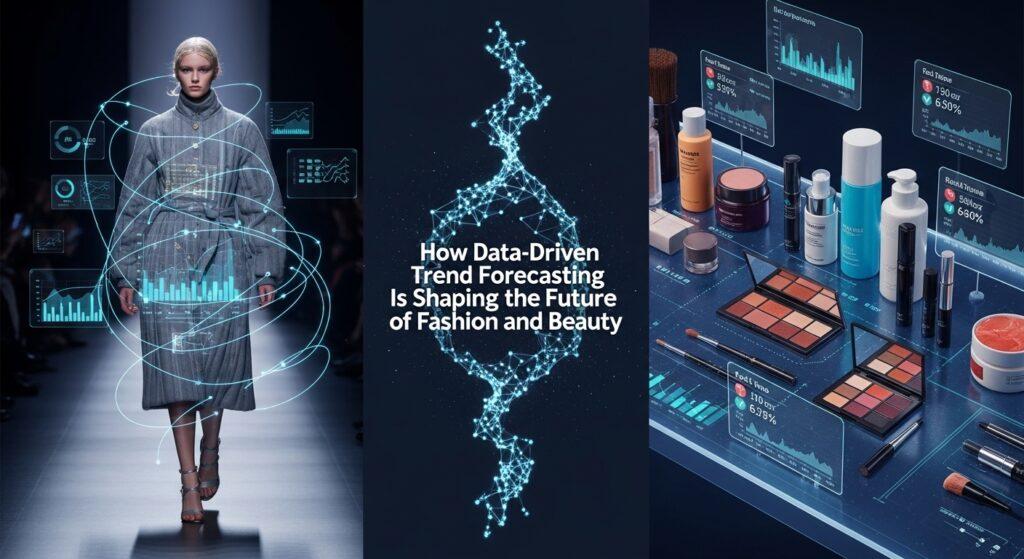
How Data-Driven Trend Forecasting Is Shaping the Future of Fashion and Beauty
The fashion and beauty industries move faster than almost any other sector. What’s trending today can feel outdated tomorrow, and brands that fail to keep up risk losing relevance in an increasingly competitive landscape. To stay ahead, companies are turning to trend forecasting as a strategic tool to understand where consumer preferences are heading before trends reach the mainstream.
Modern trend analysis goes far beyond traditional runway observation or seasonal prediction. Today’s leading brands rely on massive datasets—search behavior, social media signals, and online engagement patterns—to identify emerging consumer interests early. Platforms like Spate help brands decode billions of search signals and social conversations to reveal which beauty ingredients, product categories, and fashion styles are gaining traction.
Why Trend Forecasting Matters More Than Ever
Consumer behavior has changed dramatically in the past decade. Social media platforms like TikTok, Instagram, and Pinterest can turn niche products into viral sensations overnight. A skincare ingredient that once existed in niche formulations can suddenly become the most sought-after product on beauty shelves.
For brands, the challenge isn’t just identifying trends—it’s identifying them early enough to act. Product development cycles can take months or even years, meaning companies need early signals to stay competitive.
Trend forecasting enables brands to:
● Spot emerging product categories before competitors
● Identify consumer demand patterns early
● Make smarter product development decisions
● Reduce risk when launching new products
Instead of relying solely on intuition, companies can now use data-driven insights to guide their strategies.
The Shift From Intuition to Data
Traditionally, trend prediction relied heavily on creative directors, runway shows, and fashion insiders. While these sources still influence industry direction, they represent only a portion of the signals that shape consumer demand today.
Digital platforms generate enormous amounts of consumer data every day. People search for skincare routines, makeup techniques, haircare ingredients, and fashion inspiration constantly. Each search query represents a potential insight into what consumers want.
By analyzing search trends and social discussions, brands can uncover patterns such as:
● Rapid growth in interest around a skincare ingredient
● Rising popularity of specific makeup aesthetics
● Seasonal demand changes in fashion items
● Consumer interest in sustainability or wellness
This shift toward data has transformed how brands understand trends.
How Search Data Predicts Consumer Behavior
One of the most powerful signals in trend forecasting comes from search behavior. When people search online, they reveal exactly what they’re curious about or planning to buy.
For example, if searches for a specific skincare ingredient begin rising consistently month after month, it may indicate growing consumer awareness. If those searches coincide with increasing social media mentions, the trend may be about to explode.
Brands can use these signals to make strategic decisions such as:
● Developing products around emerging ingredients
● Creating marketing campaigns around trending topics
● Entering new categories with high growth potential
Search data essentially offers a real-time window into consumer curiosity. Social Media’s Role in Trend Acceleration
While search data helps detect trends early, social media often acts as the accelerator that pushes them into the mainstream.
Influencers, creators, and beauty enthusiasts frequently introduce new products or routines to their audiences. Once these ideas gain traction, they spread rapidly across platforms.
Examples of trends that exploded through social media include:
● Skin cycling routines
● Glass skin aesthetics
● Clean beauty formulations
● Minimalist makeup trends
For brands, understanding how social media amplifies trends is critical for staying relevant. The Importance of Timing
Identifying a trend is only half the challenge. Acting on it at the right moment is what determines success.
If brands move too early, they risk investing in trends that never reach mass adoption. If they move too late, competitors may already dominate the category.
Data-driven forecasting helps companies strike the right balance by identifying trends in their early growth stage.
When brands detect steady growth in search and social signals, they can confidently begin planning product development, partnerships, and marketing campaigns.
Beauty Industry Trends Shaped by Data
Data-driven forecasting has already played a role in many of today’s biggest beauty movements.
Ingredient Transparency
Consumers now research ingredients more than ever. Searches for skincare components such as niacinamide, peptides, and ceramides have surged as consumers become more informed.
Brands that recognized these signals early were able to position themselves as ingredient-focused innovators.
Wellness Beauty
The intersection of beauty and wellness has become one of the fastest-growing categories. Consumers are increasingly interested in products that support both physical appearance and overall health.
Search trends around adaptogens, probiotics, and holistic skincare routines highlight this shift.
Sustainability
Another major movement is the growing demand for sustainable beauty. Consumers are actively searching for eco-friendly packaging, cruelty-free products, and clean formulations.
Brands that integrate sustainability into their strategy are better positioned to meet these evolving expectations.
Fashion’s Data-Driven Future
The fashion industry is also embracing data-driven trend forecasting. Retailers use digital signals to determine which styles, colors, and materials will resonate with consumers.
For example, if searches for a specific style of denim or handbag increase significantly, retailers may adjust their inventory accordingly.
This allows companies to:
● Reduce excess inventory
● Increase sell-through rates
● Align collections with consumer demand
Fast fashion brands in particular rely heavily on these signals to quickly adapt to emerging trends.
Why Brands Need Predictive Insights
In an industry defined by rapid change, reactive strategies are no longer enough. Brands must anticipate trends rather than simply respond to them.
Predictive insights enable companies to:
● Innovate faster
● Reduce product launch risk
● Allocate marketing budgets more effectively
● Strengthen competitive positioning
Companies that invest in predictive analytics often outperform competitors because they understand consumer demand earlier.
The Future of Trend Forecasting
As technology continues to evolve, trend forecasting will become even more sophisticated. Artificial intelligence and machine learning are already transforming how brands analyze data.
In the near future, forecasting tools will be able to:
● Predict trends months or years in advance
● Identify micro-trends within niche communities
● Provide highly detailed consumer insights
These capabilities will empower brands to make smarter strategic decisions.
Final Thoughts
Fashion and beauty have always been industries driven by creativity and innovation. But in today’s digital world, creativity must be paired with data to remain competitive.
By combining traditional creative insight with advanced analytics, brands can identify opportunities earlier, launch products with greater confidence, and build stronger connections with consumers.
As the pace of change accelerates, companies that embrace data-driven trend forecasting will be the ones shaping the future of fashion and beauty.