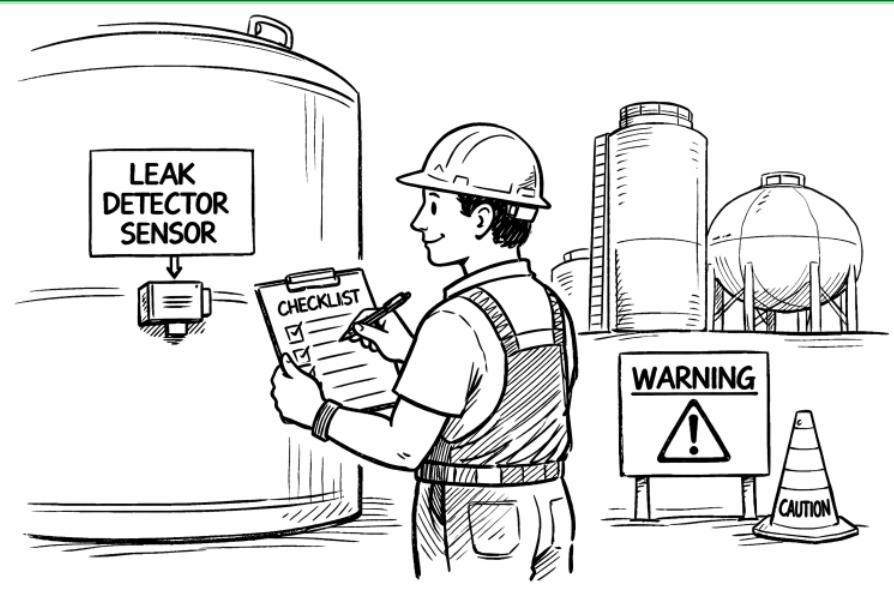
Best Practices for Safe and Efficient Storage Tank Maintenance
Table of Contents
- Regular Inspections
- Corrosion Prevention
- Leak Detection
- Ventilation and Pressure Control
- Employee Training
- Regulatory Compliance
- Emergency Response Planning
- Conclusion
Maintaining storage tanks is a fundamental responsibility for businesses across a broad range of industries. Tank systems, including propane, oil, and chemical storage, require diligent oversight to prevent failures, protect the environment, and ensure their long-term reliability. Proper maintenance preserves both efficiency and safety, minimizing costly downtime and emergencies. For those seeking support, professional propane tank services are available to streamline tank care and compliance.
The adoption of structured maintenance routines not only optimizes operations but also reduces regulatory risks. Neglecting any aspect of tank upkeep can result in significant fallout, from leaks that pose threats to nearby communities to corrosion and pressure problems that can cause catastrophic failures. Proactive attention to each stage of storage tank maintenance delivers peace of mind for facility operators and employees.
Proper storage tank care involves more than just periodic checks. It is about implementing a comprehensive system that includes training, technology, and contingency planning, all aligning with industry standards and legal requirements. Organizations that embed these habits across their teams build cultures centered on responsibility and sustainability.
This article outlines best practices rooted in industry benchmarks to ensure both operational safety and the longevity of your tank assets. Adhering to these steps guards the well-being of your staff, the public, and our shared environment.
Regular Inspections
Ongoing, systematic storage tank inspections are the cornerstone of effective maintenance. These routine checks lower risk by exposing issues while they are still manageable. A typical inspection encompasses visual assessments for rust, cracks, bulges, or other signs of compromise, covering both tank interiors and exteriors. Structural evaluations further focus on weld seams, supports, and foundations, ensuring the tank’s physical integrity is uncompromised.
Instrumentation such as level gauges, leak alarms, and pressure sensors should be confirmed as fully operational during each inspection. Faulty monitoring equipment can lead to undetected overfills or gas leaks, resulting in environmental or workplace disasters. A consistent inspection schedule, with clear records, minimizes guesswork and ensures that recurring issues are addressed before they develop into major faults.
Corrosion Prevention
Corrosion is one of the greatest threats to storage tanks, particularly for systems exposed to humidity or corrosive contents. Tank owners must implement proactive measures, beginning with applying specialized coatings that create a barrier against moisture and chemical contact. For underground tanks or those operating in highly corrosive environments, cathodic protection systems can be employed. These systems neutralize electrochemical reactions that trigger rust and other forms of deterioration.
Environmental management also plays a role in corrosion prevention. Maintaining controlled humidity levels and moderating temperatures around storage tanks can slow the rate of metal surface degradation. Regular evaluation and reapplication of coatings and monitoring of protection systems should be scheduled as part of a site’s preventive maintenance protocol.
Leak Detection
Timely identification of leaks is essential for preventing hazardous spills and avoiding environmental damage. Integrated leak detection systems, which use sensors to continuously monitor tank integrity, play a critical role in early identification. Automated alerts enable operators to respond immediately, reducing the severity and cost of leaks.
In addition to automated systems, pressure testing and routine visual checks should be conducted to detect subtle cracks or weak points that sensors may miss. Simple dye or bubble tests can reveal leakage from seams, welds, or valves. The Environmental Protection Agency provides detailed guidance on automatic tank gauging and leak detection technologies.
Ventilation and Pressure Control
Controlling internal tank pressure and maintaining proper ventilation prevents dangerous gas buildup or pressure imbalances. Facilities should install pressure relief valves calibrated for their tank’s specific requirements. Relief valves protect tanks from both over-pressurization and vacuum formation, which can otherwise lead to structural collapse or ruptures.
Ventilation systems, meanwhile, disperse harmful vapors and help maintain a safe equilibrium inside the tank. These systems require periodic inspection to confirm that vents, filters, and valves remain clear of debris or blockage. Maintenance should follow manufacturer guidelines, as outlined by organizations such as the Occupational Safety and Health Administration.
Employee Training
Storage tank safety is directly tied to the expertise of the employees who manage them. Training programs should emphasize not only routine handling but also emergency protocols and reporting obligations. Workers should receive hands-on instruction covering manual inspection methods, technological monitoring tools, and adherence to safety standards.
Continual education, supplemented by refresher courses and on-site drills, ensures both new and experienced employees understand their roles in risk prevention. Well-informed personnel form the backbone of every robust tank maintenance program, promoting awareness and accountability across all operational levels.
Regulatory Compliance
Storage tank owners are bound by multiple layers of regulation, enforced at local, state, and federal levels. It is critical to remain current with evolving standards, guidelines, and reporting obligations. Maintaining detailed records of inspections, repairs, and upgrades is not only a compliance requirement but also a best practice for operational transparency.
Periodic third-party audits and internal reviews further assure that tank maintenance aligns with regulatory standards and that corrective actions are implemented efficiently. Failure to comply can result in severe penalties and increased liability for incidents.
Emergency Response Planning
The final component of a comprehensive maintenance plan is an emergency response protocol. Organizations should conduct in-depth risk assessments to identify specific threats, such as fire, explosions, or large-scale leaks. Planning must outline step-by-step procedures for different emergencies and assign specific roles to staff members to ensure rapid, coordinated responses.
Regular emergency drills and training sessions are essential, ensuring every employee is capable of acting swiftly and effectively should an incident arise. Review and update emergency plans annually or when major changes occur in facility operations or staffing.
Conclusion
Following best practices for storage tank maintenance is not optional; it is vital for the safety, efficiency, and sustainability of your operations. Consistent inspections, meticulous corrosion prevention, effective leak detection, and sound training programs form the basis of a strong tank maintenance strategy. Coupled with stringent regulatory compliance and detailed emergency planning, these efforts protect people, property, and the environment, while extending the lifecycle of your tanks.