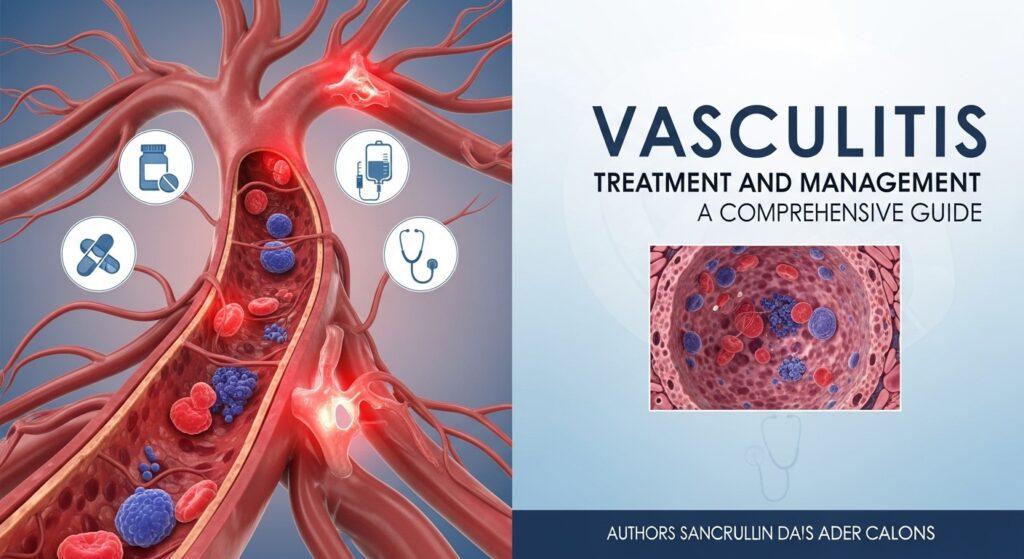
Vasculitis Treatment and Management: A Comprehensive Guide
Vasculitis is a group of rare disorders characterized by inflammation of the blood vessels, which can lead to restricted blood flow and damage to vital organs and tissues. Because vasculitis can affect different types and sizes of blood vessels, its symptoms, severity, and treatment approaches vary widely. Understanding effective treatment and management strategies is essential for improving patient outcomes and maintaining quality of life.
Understanding Vasculitis
Vasculitis can be primary (occurring on its own) or secondary (associated with other conditions such as infections, autoimmune diseases, or certain medications). Common symptoms include fatigue, fever, weight loss, muscle and joint pain, and organ-specific complications depending on the vessels involved.
Early diagnosis is critical, as untreated vasculitis can lead to serious complications such as organ damage or failure.
Goals of Treatment
The primary goals in vasculitis treatment are:
- Reducing inflammation in blood vessels
- Preventing further damage to organs
- Managing symptoms
- Achieving and maintaining remission
Treatment is typically tailored to the type of vasculitis, severity of the disease, and the organs affected.
Treatment Options
1. Medications
Medications are the cornerstone of vasculitis treatment. Commonly used drugs include:
- Corticosteroids: These are often the first line of treatment to quickly reduce inflammation.
- Immunosuppressants: Drugs such as cyclophosphamide, methotrexate, or azathioprine help control the immune system.
- Biologic therapies: Targeted treatments like rituximab are increasingly used for certain types of vasculitis.
You can explore detailed treatment protocols at
Vasculitis Treatment and Management.
2. Plasma Exchange (Plasmapheresis)
In severe cases, plasma exchange may be used to remove harmful antibodies from the blood. This is typically reserved for life-threatening conditions or when other treatments are ineffective.
3. Managing Underlying Conditions
If vasculitis is secondary, treating the underlying cause—such as infections or autoimmune diseases—is essential for effective management.
Long-Term Management
Managing vasculitis is often a long-term process that requires ongoing care and monitoring.
Regular Monitoring
Patients need frequent follow-ups, including blood tests and imaging, to assess disease activity and medication side effects.
Lifestyle Adjustments
Healthy lifestyle choices can support treatment outcomes:
- Balanced diet
- Regular physical activity
- Stress management
- Avoiding smoking
Preventing Relapses
Even after remission, vasculitis can relapse. Maintenance therapy with lower doses of medication is often necessary to prevent flare-ups.
Multidisciplinary Care Approach
Effective management often involves a team of specialists, including rheumatologists, nephrologists, dermatologists, and neurologists. Access to advanced healthcare facilities such as Liv Hospital can ensure comprehensive and coordinated care.
Living with Vasculitis
Living with a chronic condition like vasculitis can be challenging, both physically and emotionally. Support groups, counseling, and patient education play an important role in helping individuals cope with the disease and maintain a positive outlook.
Incorporating wellness practices into daily life can also make a meaningful difference. For tips on maintaining a balanced lifestyle and improving overall well-being, visit the “live and feel” website at https://liveandfeel.com/.
Conclusion
Vasculitis treatment and management require a personalized and proactive approach. With advancements in medical therapies and a strong support system, many patients can achieve remission and lead fulfilling lives. Early diagnosis, appropriate treatment, and consistent follow-up remain the cornerstones of successful care.