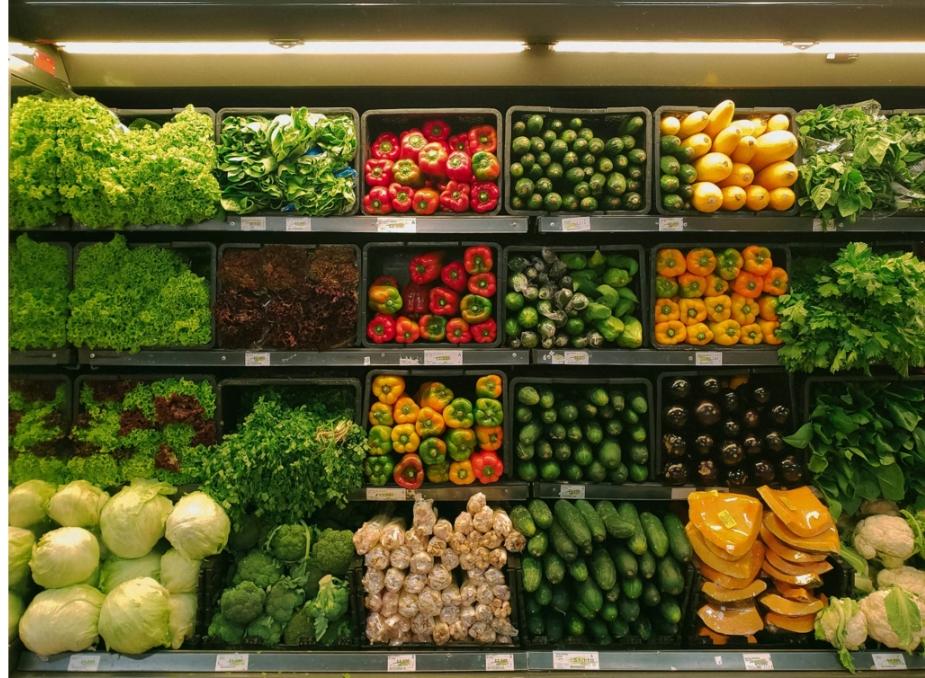
Austin’s Gourmet Grocery Scene: A Guide for Health-Conscious Travelers
Austin’s food landscape has evolved dramatically over the past decade, with gourmet grocery stores emerging as essential destinations for both residents and visitors. These specialty markets have redefined what it means to shop for food in Texas’s capital, offering curated selections that prioritize quality, sustainability, and unique culinary experiences over the mass-market approach of conventional supermarkets.
For travelers committed to maintaining healthy eating habits on the road, Austin’s gourmet grocery stores provide a practical solution. Rather than settling for airport food or generic chain restaurants, visitors can access the same high-quality organic produce, artisanal products, and specialty items that fuel the city’s renowned food culture. This shift reflects broader consumer trends: according to McKinsey research, shoppers increasingly prioritize product quality and unique offerings over convenience alone.
What Distinguishes Gourmet Grocery Stores
The term “gourmet grocery” signals a fundamental departure from traditional supermarket models. These establishments operate on different principles, emphasizing curation over volume and relationships over transactions.
- Sourcing Standards: Gourmet grocers maintain rigorous standards for product selection, often working directly with local farmers, small-batch producers, and specialty importers. This direct sourcing model ensures freshness while supporting regional food systems.
- Product Expertise: Staff members typically possess deep knowledge about the products they sell, from the terroir of specific olive oils to the aging process of artisanal cheeses. This expertise transforms shopping from a transactional errand into an educational experience.
- Specialty Inventory: These stores stock items rarely found in conventional markets—heritage grain flours, single-origin chocolates, small-production wines, and ingredients essential to specific culinary traditions.
- Quality Over Scale: Rather than maximizing shelf space and SKU counts, gourmet grocers carefully select each product, often testing items personally before adding them to inventory.
The evolution of this retail category reflects changing consumer priorities. As The New York Times has documented, specialty grocery stores are experiencing renewed interest as shoppers seek alternatives to both conventional supermarkets and online ordering, valuing the tactile experience and expert guidance these stores provide.
Austin’s Premier Gourmet Grocery Destinations
Austin’s gourmet grocery landscape offers distinct experiences across the city, each store bringing its own philosophy and specialty focus:
- Central Market: This Texas-based chain’s flagship North Lamar location functions as both grocery store and culinary destination, featuring an extensive produce section with hard-to-find varieties, in-house bakery, and prepared foods that rival many restaurants.
- Whole Foods Market: The original Whole Foods flagship on Lamar Boulevard remains a pilgrimage site for natural foods enthusiasts, offering the most comprehensive selection in the chain alongside unique local vendor partnerships.
- Tiny Grocer: Neighborhood-focused markets like Tiny Grocer bring together thoughtfully curated assortments of thousands of organic and specialty products with features such as artisanal delis, prioritizing local producers and hard-to-source ingredients that resonate with dedicated home cooks. Similar concepts are evident at Thom’s Market and Royal Blue Grocery, where emphasis on quality and curation defines the shopping experience.
- Royal Blue Grocery: Positioned as an urban convenience store elevated to gourmet standards, Royal Blue offers prepared sandwiches, wine selections, and specialty products for downtown residents and workers seeking quality without the big-box experience.
- Thom’s Market: This Hyde Park institution focuses on craft beverages, local products, and gourmet snacks, serving as a neighborhood gathering spot that prioritizes Texas producers.
Each store occupies a distinct niche within Austin’s food ecosystem, from Central Market’s comprehensive approach to Tiny Grocer’s artisanal focus, ensuring that shoppers can find experiences tailored to their specific needs and interests.
The Value Proposition of Specialty Grocery Shopping
Shopping at gourmet grocery stores delivers benefits that extend beyond product quality, though that remains the foundation:
- Product Integrity: Gourmet grocers typically maintain transparent sourcing practices, with many products carrying certifications for organic production, fair trade, or sustainable harvesting. This transparency allows consumers to make informed decisions aligned with their values.
- Economic Impact: By prioritizing local and regional producers, these stores channel consumer dollars directly into local food systems. This creates a multiplier effect that supports farmers, artisans, and small manufacturers who might otherwise struggle to access retail distribution.
- Culinary Education: The shopping experience itself becomes educational, with knowledgeable staff, product demonstrations, and tasting events that expand customers’ culinary horizons and cooking capabilities.
- Health Considerations: The emphasis on whole foods, organic options, and minimal processing aligns with evidence-based nutritional guidance, making it easier for health-conscious consumers to maintain their dietary standards.
Research from the USDA Economic Research Service indicates that local food systems supported by specialty retailers contribute significantly to regional economic development while reducing environmental impacts associated with long-distance food transportation.
Sustainability as Core Practice
Environmental responsibility has shifted from marketing angle to operational imperative for leading gourmet grocers. These stores implement sustainability practices across multiple dimensions:
- Regional Sourcing: Prioritizing products from nearby farms and producers dramatically reduces transportation emissions while ensuring peak freshness. Many Austin gourmet stores maintain relationships with Hill Country farmers and Texas food artisans.
- Packaging Innovation: Progressive stores have moved beyond simply offering reusable bags to redesigning their entire packaging approach, utilizing compostable materials, bulk sections that eliminate packaging entirely, and take-back programs for containers.
- Energy Systems: Modern gourmet grocers invest in energy-efficient refrigeration, LED lighting, and in some cases, renewable energy sources that significantly reduce their carbon footprint compared to conventional supermarkets.
- Waste Reduction: Comprehensive programs address food waste through composting, donations to food banks, and creative repurposing of products nearing their sell-by dates into prepared foods or discounted offerings.
These practices reflect both consumer expectations and genuine commitment to environmental stewardship, creating business models that balance profitability with ecological responsibility.
Navigating Austin’s Grocery Landscape
For visitors and new residents, Austin’s diverse grocery scene can seem overwhelming. These strategies help identify stores that match your priorities:
- Neighborhood Exploration: Austin’s distinct neighborhoods each have their own grocery character. Hyde Park offers walkable neighborhood markets, while East Austin features stores emphasizing Latino and Asian specialty products alongside gourmet options.
- Specialty Matching: Identify your specific needs—whether that’s organic produce, international ingredients, prepared foods, or artisanal products—then research stores known for those specialties rather than expecting one store to excel in all categories.
- Local Intelligence: Austin residents are passionate about their food sources. Conversations with locals, whether at farmers markets or through neighborhood social media groups, often yield the most valuable recommendations.
- Trial Approach: Given the diversity of options, visiting multiple stores helps you understand each one’s strengths and develop a shopping strategy that might involve different stores for different needs.
Hyde Park Grocery: Neighborhood Institution
Among Austin’s gourmet grocery options, Hyde Park Grocery exemplifies the neighborhood market model. Located in one of Austin’s most walkable historic districts, this store has built its reputation on serving the specific needs of its community while maintaining standards that attract shoppers from across the city.
- Seasonal Local Produce: The store’s produce section emphasizes Texas-grown fruits and vegetables, with selections changing throughout the year to reflect what’s actually in season rather than relying on year-round imports.
- Artisanal Focus: From house-made baked goods to carefully selected cheeses and charcuterie, the store prioritizes products made by hand in small batches, often by local artisans.
- Specialty Ingredients: Home cooks seeking specific ingredients for international cuisines or specialized diets find Hyde Park Grocery’s curated selection more useful than the overwhelming options at larger stores.
- Community Hub: Beyond retail, the store functions as a neighborhood gathering place, hosting tastings and supporting local events that strengthen community connections.
This model demonstrates how gourmet grocery stores can serve both practical shopping needs and broader community-building functions, creating value that extends beyond the transaction.
The Future of Gourmet Grocery in Austin
Austin’s gourmet grocery scene continues evolving as consumer preferences shift and new models emerge. The success of these stores reflects fundamental changes in how people think about food—not merely as fuel, but as connection to place, culture, and values.
For travelers committed to maintaining healthy eating habits, Austin’s gourmet grocery stores offer a practical alternative to restaurant dining for every meal. By shopping at these establishments, visitors can prepare their own meals using the same high-quality ingredients that define Austin’s food culture, often at a fraction of restaurant costs while maintaining complete control over ingredients and preparation methods.
The city’s gourmet grocery landscape demonstrates that quality food retail can thrive by prioritizing curation over scale, relationships over transactions, and community over convenience. Whether you’re a visitor planning a week in Austin or a resident exploring new options, these stores provide access to the ingredients and expertise that make cooking both practical and inspiring.