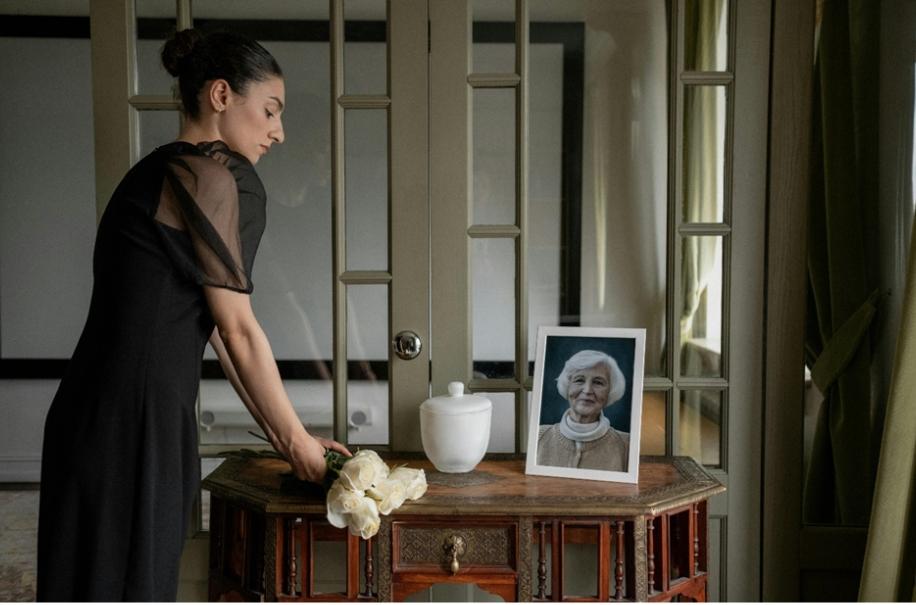
How to Plan a Memorial Service for a Loved One Who Was Cremated
Planning a post-cremation memorial offers freedom from burial pressure but can feel daunting without tradition. With careful planning, that uncertainty becomes a meaningful reflection. This guide helps you create a heartfelt tribute with intention and ease.
1. Choosing the Right Time and Place
A major benefit of organizing a memorial following cremation is the lack of pressure. Families may need weeks or even months to arrange a gathering that suits faraway relatives or coincides with significant dates. This time also allows for emotional readiness before planning begins. The timing can also align with better weather for outdoor events or important anniversaries meaningful to the family.
Options for venues increase significantly when not limited by a conventional funeral service. Places of worship and funeral homes remain suitable options. Families are increasingly choosing venues that reflect the interests and character of their departed loved ones. This includes a community center, cherished park, and family residence. Even a restaurant’s dining area can offer the backdrop for an authentic gathering. Capacity and accessibility all merit attention during the selection process.
2. Personalizing the Service Elements
Personalizing the memorial service after cremation is essential for it to be truly significant. Families can choose to include aspects that honor the distinct life of their dear one without being bound by conventional funeral practices. Photographs on easels or assembled into digital presentations help guests identify with the full breadth of the departed’s life. Certain families opt to play beloved songs or have several speakers share anecdotes, making the service feel genuine instead of scripted.
The integration of the family and close friends in the service intensifies the feeling of collective grief and joy. A grandchild reading one of their favorite childhood books, a workmate discussing happy moments at work, or a neighbor talking about little gestures noticed over the years are all part of a multidimensional portrait. The service turns into an act of love for all people, and every person contributes a thread to the story of a good life.
3. Managing Guest Participation and Keepsakes
Considerate guest participation can enrich the memorial experience. Families may open the gathering to everyone or limit it to close relatives and friends. This choice determines the venue size and the service’s overall mood. Some feel at ease in a large gathering that reflects many lives touched, while others prefer a smaller setting for closer bonds. Proper communication will assist guests know what to expect and how to contribute meaningfully.
Keepsakes offer visitors a physical memento of the ceremony and the individual being celebrated. Families frequently provide small tokens like seed packets, bookmarks featuring a beloved quote, or printed programs containing a photo and a short biography. These tokens serve as enduring keepsakes and recognize participants’ attendance. A guest book preserves memories and support, becoming a treasured family keepsake.
Endnote
Cremation allows families to create a meaningful tribute at their convenience. In the absence of burial urgency, they can select meaningful locations and intentionally commemorate their loved one. This considerate approach establishes an essential space for grief, joy, and shared remembrance.