Why Some Airbnb Chalets Create More Work Than They Save
A practical framework for choosing a stay with the space, amenities, and clarity professionals need
Booking accommodations for a leadership retreat, planning session, or small corporate gathering often looks straightforward at the start. Then the details begin to stack up. Someone needs to confirm whether the layout will actually work for the group, whether the property has the right amenities, and whether the location will support the goals of the trip rather than complicate them. For executive assistants, office managers, and operations leads, the wrong property usually does not fail because it looks unappealing. It fails because it creates avoidable work.
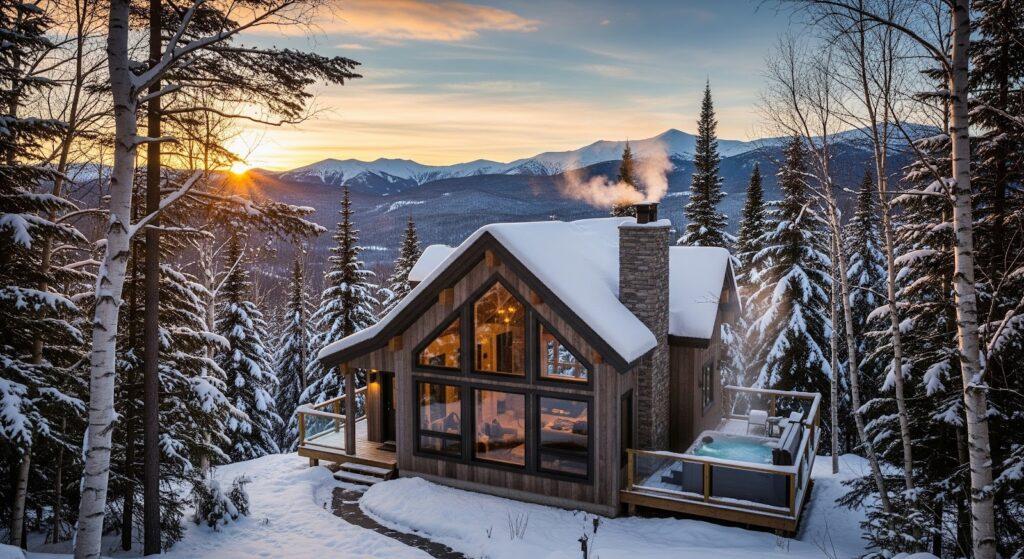
That is why airbnb chalets deserve a more practical review. They can offer more privacy, flexibility, and comfort than a standard hotel setup, but only when the space is evaluated with the same care as the itinerary.
A good-looking property is not always a usable one
One of the easiest booking mistakes is relying too heavily on photos and capacity counts. A chalet may sleep the right number of guests and still feel difficult to use once everyone arrives. Shared spaces might be too small for conversation, seating might not support informal planning sessions, or the layout may create tension between quiet downtime and common-area activity.
This is where it helps to compare properties with function in mind. A stay that supports how people will actually gather, work, and reset tends to deliver more value than one that simply looks polished online. For planners who want a clearer sense of what to compare, reviewing regional airbnb chalets can be a useful way to assess layout, capacity, and stay features without reducing the decision to surface appeal alone.
Amenities should remove friction from the schedule
Practical amenities usually matter more than decorative ones, especially for business-related stays. Reliable Wi-Fi, a workable kitchen, enough bathrooms, clear parking access, and comfortable common areas all shape whether the group can settle in without unnecessary interruptions. When those basics are missing or vaguely described, the property starts adding tasks instead of reducing them.
That practical lens matters because the stay itself influences how the group functions. The U.S. Surgeon General’s Framework for Workplace Mental Health and Well-Being emphasizes the importance of environments that support connection, flexibility, and reduced stress. A well-chosen chalet does not replace good planning, but it can support a smoother experience by eliminating some of the common problems that pull attention away from the purpose of the trip.
Location should support the agenda, not compete with it
A scenic setting can be part of the appeal, but it should not come at the expense of convenience. When planners evaluate a property, it helps to think beyond the description and ask practical questions. How easy is it to reach? Is there enough nearby access to essentials? Will the location help the group focus, or will it turn simple logistics into ongoing coordination?
This balance matters more than many teams expect. A property that feels private and removed can work well when the goal is reflection, planning, or team connection, but only if it remains manageable for arrival, departure, and day-to-day use. Cornell University’s guidance on team building and workplace collaboration reflects a similar idea: group effectiveness depends not only on the activity itself, but on the conditions that support interaction and communication. In practice, that means the right destination is usually the one that creates enough separation from routine without making the trip harder to run.
Booking clarity often predicts how smooth the stay will be
For corporate planners, uncertainty is expensive. If occupancy rules are unclear, if amenity details need multiple rounds of follow-up, or if expectations around the stay feel incomplete, the coordinator often ends up carrying that uncertainty into the trip itself. A clear booking process does more than save time. It helps the planner make a recommendation with confidence.
This is one reason transparency should be treated as part of the value of the property. Straightforward information about the space, arrival process, and intended use of the chalet helps reduce guesswork before the booking is made. That aligns with broader workplace guidance from MIT on meeting basics and preparation, which points to planning clarity as a foundation for productive group time. The same principle applies to accommodations. Better information upfront usually means fewer disruptions once the group is on site.
The best stays make room for both structure and downtime
Not every productive conversation happens in a meeting room. Some of the value of a chalet stay comes from giving teams enough structure to focus and enough flexibility to interact more naturally. That combination can be especially useful for leadership groups, strategy sessions, or small off-sites where the goal is not just to complete an agenda, but to create space for better discussion.
A property that supports both formal and informal time tends to serve this kind of trip well. That might mean a comfortable dining area for working sessions, a quiet setting for reflection, or simple amenities that make people feel settled rather than managed. When the environment works, the stay feels easier to coordinate and more aligned with the purpose of the trip.
The strongest chalet choices are usually not the ones that promise the most. They are the ones that make planning simpler, expectations clearer, and group time easier to support.