January Birthstone 101
The January Birthstone: What You Need to Know at a Glance
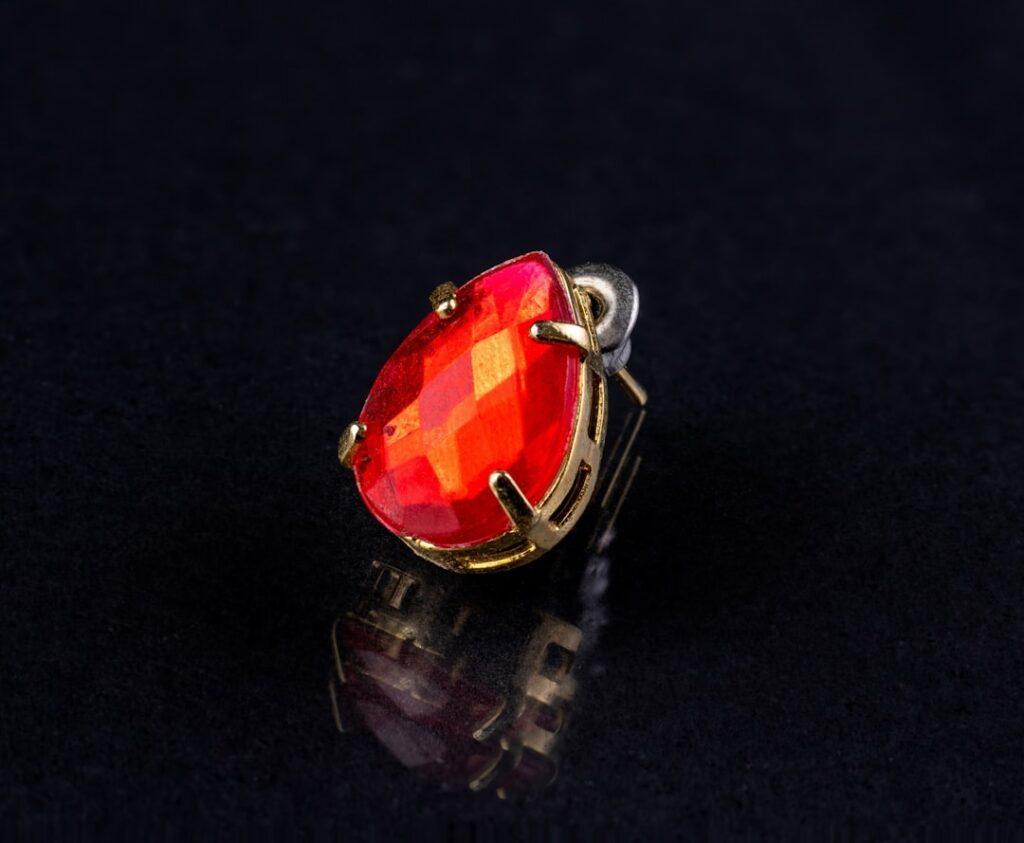
The january birthstone is garnet — a gemstone with a rich history, stunning depth of color, and a meaning that goes far beyond its signature deep red glow.
Quick facts for January birthstone:
- Stone: Garnet
- Most common color: Deep red (but also green, orange, purple, yellow, and more)
- Mohs hardness: 6.5 to 7.5
- Symbolizes: Love, friendship, vitality, protection, and safe travels
- Anniversary: Traditional gift for the 2nd wedding anniversary
- Mined in: Australia, Africa, India, the US, Brazil, and more
- Name origin: Latin granatus, meaning pomegranate
Garnet has been treasured since the Bronze Age. Ancient Egyptian pharaohs wore garnet-studded necklaces. Roman nobles carved them into signet rings. Medieval healers believed the stone could cure fever and lift a heavy spirit.
Today, garnet remains one of the most beloved and versatile gemstones in fine jewelry — worn by everyone from anniversary couples to January birthday celebrants who want something with genuine historical weight.
Whether you’re shopping for a gift or simply curious about what makes this stone so enduring, this guide covers everything worth knowing.
The Origins and Meaning of the January Birthstone
To truly understand the january birthstone, we have to look back thousands of years. The name “garnet” isn’t just a random label; it’s a poetic nod to nature. The word finds its roots in the Latin granatus, which means “seed” or “grained.” Most historians agree this is a direct reference to the pomegranate seeds that the small, red, rounded crystals so closely resemble. In Middle English, the term evolved into “gernet,” meaning “dark red,” solidifying the stone’s identity in the English-speaking world by the 14th century.
Our fascination with this stone dates back to the Bronze Age. Archaeologists have discovered garnet remnants in jewelry from as early as 3100 BC. Ancient Egyptian pharaohs were known to be buried with garnet-studded necklaces to accompany them into the afterlife, viewing the stone as a symbol of life itself.
As we moved into the Classical era, the Greeks and Romans prized the gem for both its beauty and utility. Roman collectors often wore garnet signet rings, using the hard stone to carve intricate “intaglios” (depressed engravings) that were used to stamp wax seals on important documents.
The historical significance doesn’t stop there. In 2009, a metal detectorist in England unearthed the Staffordshire hoard, a massive collection of Anglo-Saxon gold and silver metalwork from the 6th and 7th centuries. Among the 3,500 pieces were stunning examples of garnet cloisonné, where thin slices of garnet were set into gold cells to create vibrant, mosaic-like patterns on weaponry and jewelry.
By the 16th century, the discovery of rich pyrope garnet deposits in Bohemia (modern-day Czech Republic) sparked a massive jewelry industry in Europe. This “Bohemian Garnet” became the height of fashion during the Victorian era, often set in clusters that mimicked the look of—you guessed it—pomegranate seeds. Throughout history, symbolism and legends have painted the garnet as a stone of protection, with travelers exchanging them as tokens of a “safe return” and a promise of future reunion.
A Spectrum of Color: Beyond the Traditional Red
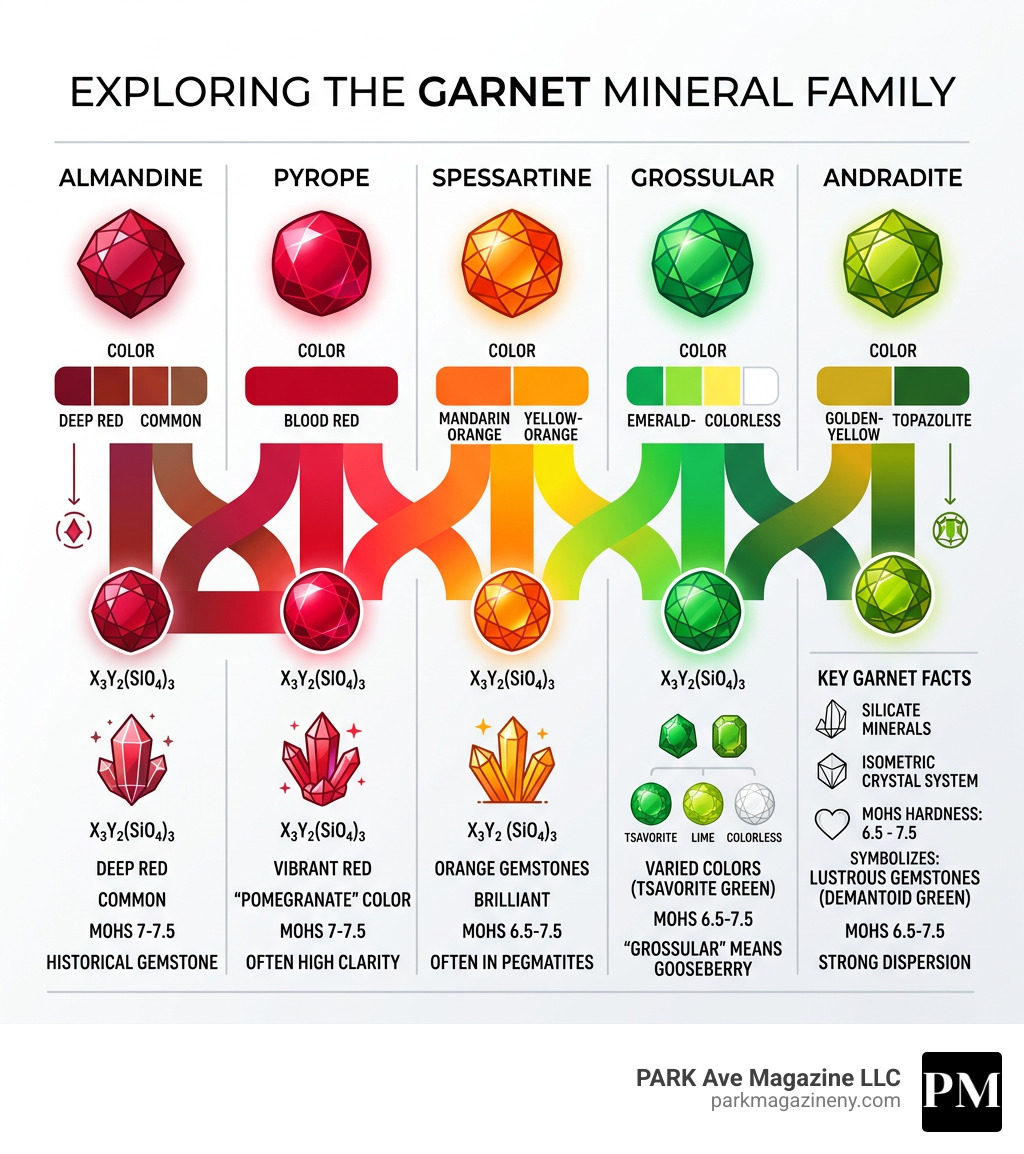
While most of us picture a deep, moody crimson when we think of the january birthstone, the reality is far more colorful. Garnets are actually a group of silicate minerals that share a common crystal structure but vary in their chemical composition. Depending on whether the stone contains calcium, magnesium, iron, or manganese, you can find a garnet in almost every color of the rainbow.
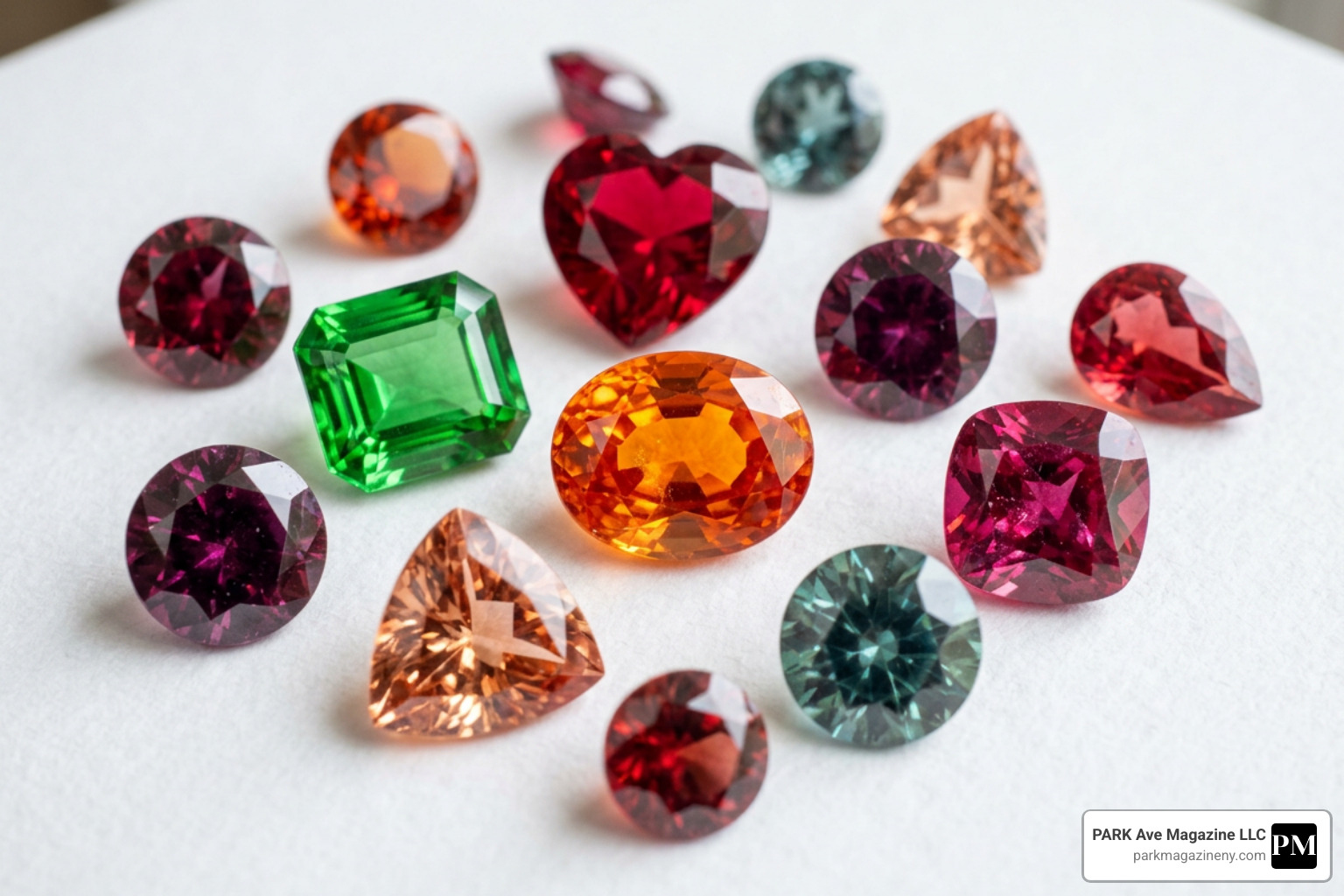
We categorize these stones into several distinct species:
- Pyrope and Almandine: These are the classic red garnets. Almandine is the most common and is often seen in deep red to violet-red hues. Pyrope, which means “fiery-eyed” in Greek, provides that bright, saturated red we know and love.
- Spessartine: If you see a garnet that looks like a sunset, it’s likely spessartine. These stones range from bright yellow to vibrant orange.
- Grossular: This species is incredibly diverse. It includes the colorless “leuco” garnet, the cinnamon-colored “hessonite,” and the prized, vivid green Tsavorite.
- Andradite: This group includes the andradite species, which can be yellow, green, or black. The most famous variety is the Demantoid garnet, a rare green stone with a brilliance that can actually surpass a diamond.
- Uvarovite: A rare, bright green garnet that usually occurs as very small crystals.
Some of the most spectacular specimens are “color-change” garnets, which might appear blue-green in daylight but shift to a purplish-red under incandescent light.
Garnet Species Comparison Table
| Species | Primary Color(s) | Key Chemical Element | Rarity |
|---|---|---|---|
| Almandine | Deep Red, Purple | Iron, Aluminum | Very Common |
| Pyrope | Bright Red | Magnesium, Aluminum | Common |
| Spessartine | Orange, Yellow | Manganese, Aluminum | Moderate |
| Grossular | Green, Orange, Gold | Calcium, Aluminum | Varies (Tsavorite is Rare) |
| Andradite | Green, Yellow, Black | Calcium, Iron | Rare (Demantoid is very rare) |
Durability, Mining, and Global Sourcing
When we talk about jewelry, durability is key. The january birthstone ranks between 6.5 and 7.5 on the Mohs scale of hardness. This makes it a sturdy choice for many types of jewelry, though it requires a bit more care than a diamond or sapphire.
Geologically speaking, most garnets form when sedimentary rocks (like shale) are subjected to intense heat and pressure—a process called metamorphism. This typically happens where tectonic plates converge. Because they are so hard and chemically resistant, when metamorphic rocks or igneous formations erode, the garnets remain intact, often settling in riverbeds or coastal sands.
Interestingly, from Australia comes nearly half of the world’s industrial garnet supply. While many of these are used as industry abrasives for water-jet cutting and sandblasting, the gem-quality market relies on a global network of mines.
In the modern market, Africa has become a powerhouse for fine garnets. Namibia produces stunning demantoids, while Kenya and Tanzania are the primary sources for the lush green tsavorite. In fact, small-scale artisanal miners supply roughly 80% of the world’s tsavorite garnets. Other significant deposits are found in Sri Lanka, India, Brazil, and the United States (notably Arizona and Southern California).
Symbolism and the January Birthstone in Modern Jewelry
In high-end NYC style, the january birthstone is a favorite for those who appreciate “inner fire.” Beyond its physical beauty, garnet carries a heavy load of positive symbolism. It is widely considered the “Gem of Faith,” believed to foster to soothe the angry heart and bring happiness, wealth, and health to the wearer.
For those celebrating milestones, garnet is the traditional gift for the 2nd wedding anniversary. It represents the deepening of commitment and the spark of vitality that keeps a relationship strong.
In modern design, we are seeing garnet used in increasingly creative ways:
- Pendants and Earrings: These are the most popular choices because they keep the stone away from the high-impact contact that rings endure. A deep red garnet pendant is a timeless staple.
- Statement Rings: While they require a bit more care, garnet rings in marquise-shaped designs offer a classic look with a bold statement.
- Mixed Media: Designers often pair the warm glow of garnet with the brilliance of modern lab diamond designs to create a striking contrast.
Understanding the “Four Cs”—from clarity to carat—is just as important for garnets as it is for diamonds. While red garnets are often very clear, some varieties, like the demantoid, are actually more valuable when they contain specific inclusions called “horsetails,” which look like fine, radiating golden fibers.
Essential Care and Buying Guide for the January Birthstone
If you are looking How to Buy Garnet Gemstones, we recommend looking for intense, saturated color. A high-quality garnet should look vibrant, not “muddy” or overly dark.
Cleaning and Maintenance: Garnets are tough, but they aren’t invincible. To keep your january birthstone looking its best:
- Warm Soapy Water: Use a mild dish soap and a soft-bristled toothbrush to gently scrub away oils and dust.
- Avoid Harsh Chemicals: Keep your garnets away from bleach or other household cleaners.
- Storage: Store your garnet pieces in separate pouches. Diamonds, sapphires, and rubies are harder than garnet and can easily scratch the surface of your stone.
- Professional Check-ups: Periodically have your jeweler check the settings to ensure the prongs are secure.
When it comes to value, when a 4 carat stone makes sense often depends on the variety. While a 4-carat almandine garnet is relatively affordable, a 4-carat tsavorite or demantoid would be considered a world-class, museum-quality rarity. For a touch of modern luxury, consider lab-grown diamond pairings which can elevate a simple garnet piece into a high-fashion heirloom.
Frequently Asked Questions
What is the most common color for the january birthstone?
While they come in many shades, the most common color is a deep, dark red. This is usually found in the Pyrope and Almandine species. This iconic “pomegranate red” is what most people associate with the january birthstone.
Is garnet durable enough for everyday wear?
Yes, but with caveats. With a Mohs hardness of 6.5 to 7.5, it is durable enough for earrings, necklaces, and brooches. If you wear a garnet ring every day, we suggest a protective setting (like a bezel) and removing it during strenuous activities like gardening or gym sessions to avoid scratches.
Why is garnet the traditional january birthstone for anniversaries?
Garnet is the official stone for the 2nd wedding anniversary. It symbolizes the “eternal fire” of love and the solid foundation of friendship. It’s a way for couples to celebrate the successful beginning of their journey together with a stone that represents both passion and protection.
Conclusion
At PARK Ave Magazine LLC, we believe that luxury is as much about the story behind an object as the object itself. The january birthstone is a perfect example of this—a gem that bridges the gap between ancient pharaohs and modern New York sophistication. Whether you are drawn to the fiery reds of a classic pyrope or the rare, electric green of a tsavorite, garnet offers a timeless elegance that never goes out of style.
As we continue to explore the intersections of urban living, fine art, and the gems that define our most personal milestones, we invite you to Explore more Art and Culture with us. After all, every birthstone is a piece of history you can wear.