All About Sage Green Color
Why Sage Green Is Having a Major Moment in Interior Design
Sage green is a soft, muted, grayish-green color inspired by the leaves of the culinary sage herb. It sits beautifully between green and gray, with warm earthy undertones that feel both calming and sophisticated.
Here’s a quick look at what makes sage green special:
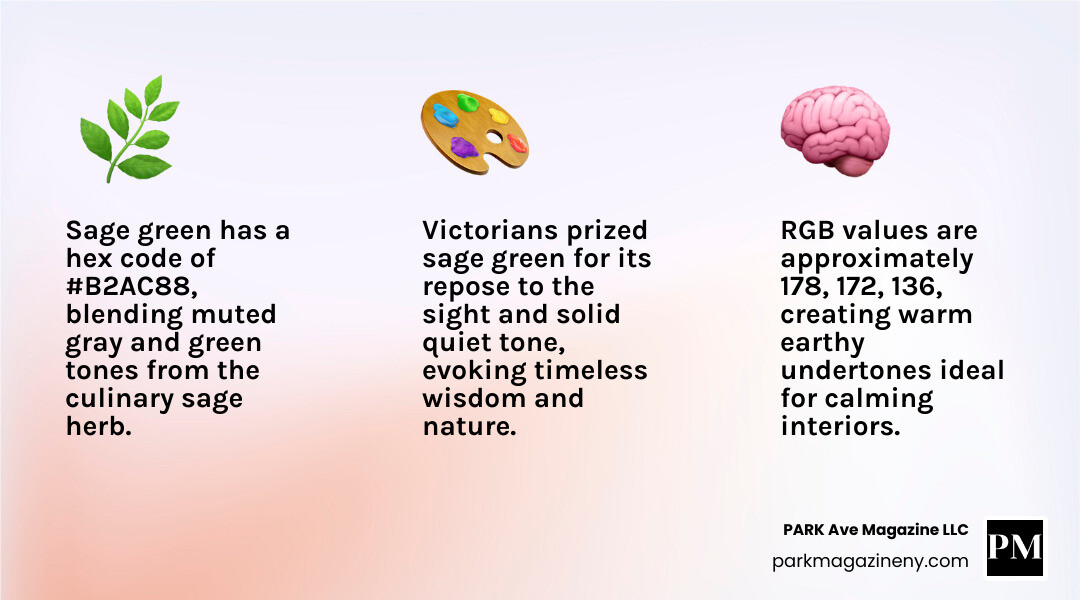
- Hex code: #B2AC88
- RGB: 69.8% red, 67.5% green, 53.3% blue
- Mood: Calm, wise, grounded, nature-inspired
- Best pairings: Warm wood, cream, gold, dusty pink, navy, deep purple
- Works in: Bedrooms, kitchens, bathrooms, living rooms, and exteriors
- Top paint picks: October Mist 1495 (Benjamin Moore), Evergreen Fog SW 9130 (Sherwin-Williams), Sage Green™ (Little Greene)
Sage green is not a trend that appeared overnight. The Victorians valued it for what they called its “repose to the sight, and solid and quiet tone.” That same quality is exactly why designers and homeowners reach for it today.
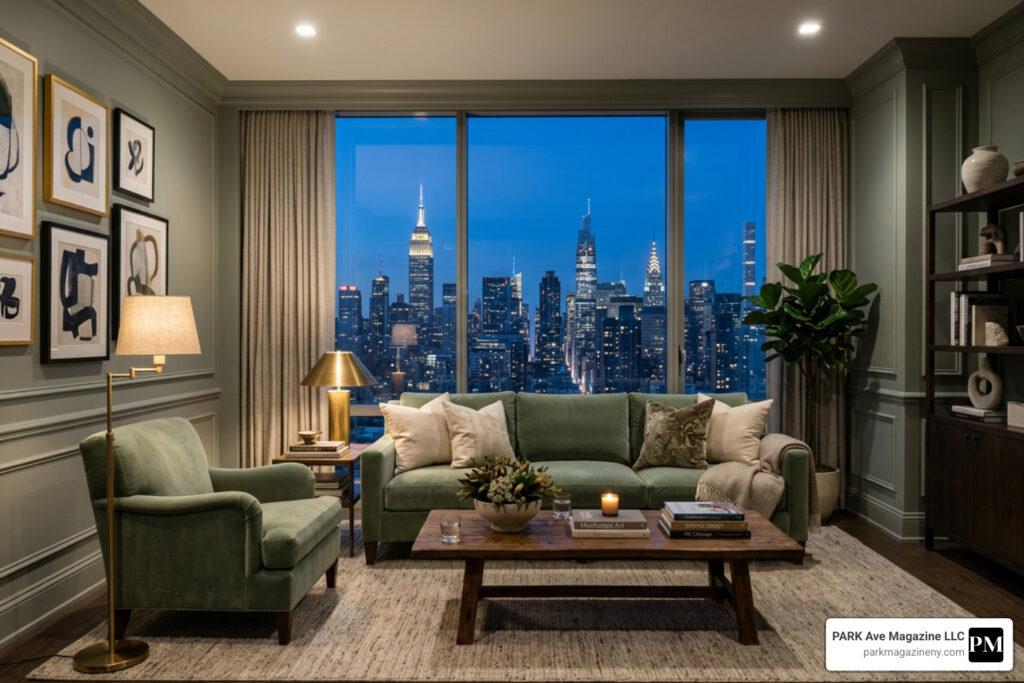
It’s subtle enough to act as a neutral. Bold enough to set the mood of an entire room. And versatile enough to work in a prewar Manhattan apartment just as well as a sun-filled California bungalow.
Whether you’re repainting a bedroom, refreshing kitchen cabinets, or rethinking your home’s exterior, sage green offers something rare: timeless elegance without effort.
Similar topics to sage green:
Defining the Sage Green Aesthetic: Meaning and Technical Specs
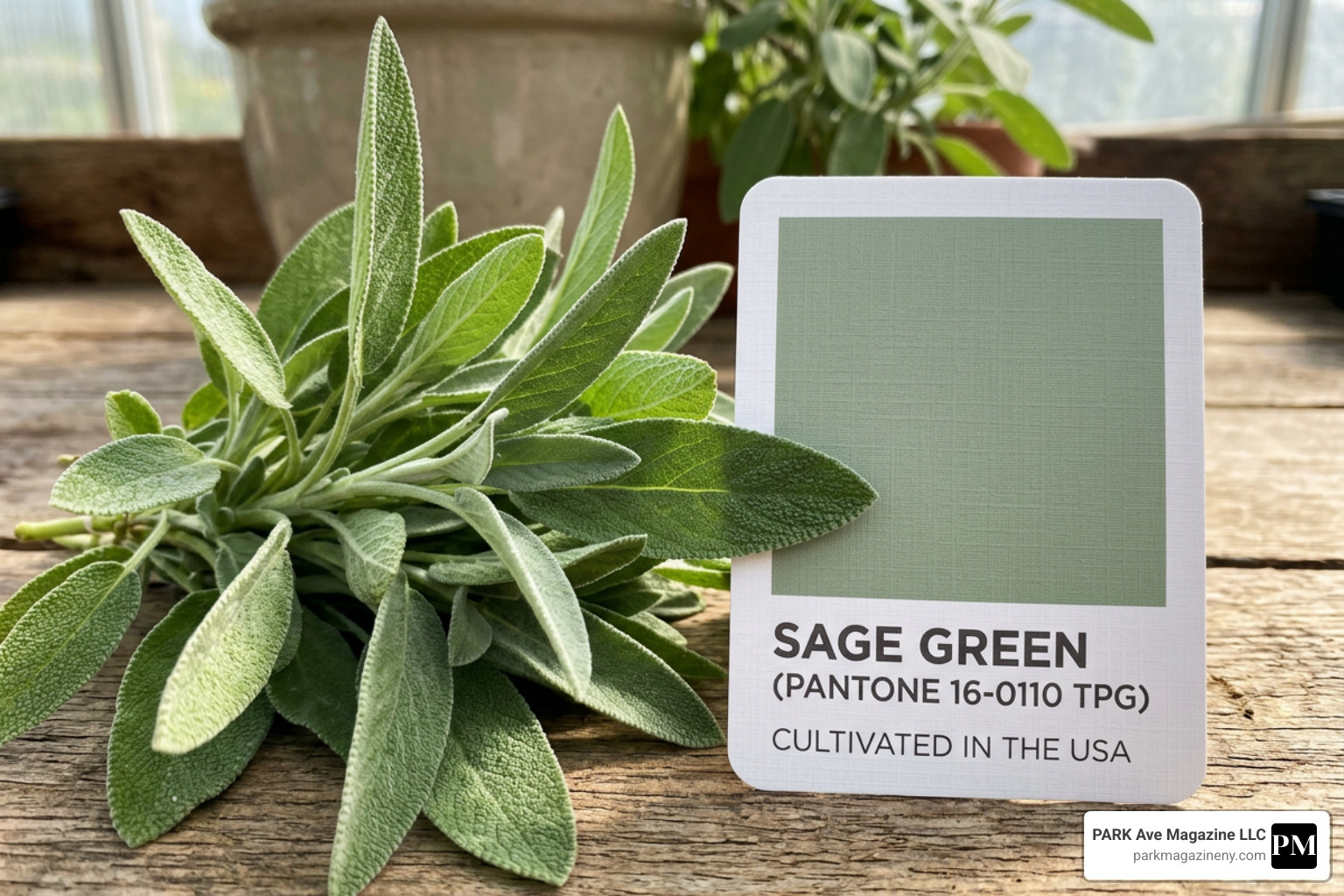
To truly understand sage green, we have to look at its roots—literally. The color takes its name from the culinary sage herb (Salvia officinalis), a plant known for its woody stems and soft, grayish-green leaves. Just as the herb has been used for centuries for its medicinal and cleansing properties, the color has long been associated with healing and clarity.
Symbolism and Psychology
In color psychology, sage green is a heavy hitter. It represents wisdom—fittingly, since a “sage” is a profoundly wise person. Beyond intellect, it communicates peace, growth, ecology, and a deep connection to nature. We find that in the environment of New York City, incorporating this hue into a home provides a much-needed “repose to the sight,” a quality the Victorians famously praised. It’s a color that feels stable and reliable, yet never stale.
The Technical Breakdown
For the designers and tech-savvy decorators among us, getting the shade exactly right requires looking at the data. While “sage” can vary from brand to brand, a standardized sage green typically follows these specifications:
- Hex Code: #B2AC88
- RGB Values: 69.8% Red, 67.5% Green, 53.3% Blue
- CMYK: 0% Cyan, 3% Magenta, 24% Yellow, 30% Black
- HSL: 51.4° Hue, 21.4% Saturation, 61.6% Lightness
- Light Reflectance Value (LRV): This is a crucial metric for NYC apartments. A color like Benjamin Moore’s Sage (2143-10) has an LRV of 15.31, making it a darker, moodier olive-sage. However, many popular interior sages sit in the 40–50 range, reflecting enough light to keep a room feeling airy.
Sage Green vs. Olive vs. Mint
It’s easy to confuse these botanical sisters, but they serve very different design purposes:
| Feature | Sage Green | Olive Green | Mint Green |
|---|---|---|---|
| Undertone | Gray/Silver | Yellow/Brown | Blue/Bright White |
| Vibe | Sophisticated, Earthy | Rugged, Moody | Playful, Retro |
| Best Use | Living Rooms, Cabinets | Accent Walls, Studies | Bathrooms, Nurseries |
The Best Sage Green Paint Colors and Finishes
Choosing the right paint can feel overwhelming, especially when Benjamin Moore alone offers over 50 variations of sage green. We have narrowed down the field to the most reliable, designer-approved shades that work across various lighting conditions.
Popular Sage Green Paint Brands
- October Mist 1495 (Benjamin Moore): A former Color of the Year, this is a silver-toned sage that acts as a perfect canvas for other colors.
- Evergreen Fog SW 9130 (Sherwin-Williams): A bit deeper and more “chameleon-like,” it can shift between green, gray, and blue depending on the time of day.
- Saybrook Sage HC-114: Part of the Historical Collection, this is a refined, classic choice that feels right at home in a prewar Manhattan residence.
- Garden Sage SW 7736: A warmer, more “organic” green that brings the feeling of an English garden indoors.
- Simply Sage (Heirloom Traditions): A stable, neutral gray-green that is highly rated for its “all-in-one” formula, often used for DIY furniture transformations.
If you are looking for visual inspiration, you can find stunning sage green interiors on Pinterest to see how these colors behave in real-world settings.
How Finishes Affect Sage Green
The finish you choose can completely alter how sage green looks on your walls.
- Matte Finish: This is the gold standard for sage. It absorbs light, emphasizing the color’s “velvet” quality and hiding wall imperfections. It makes the green look softer and more “organic.”
- Velvet/Eggshell: Provides a slight sheen that is easier to clean, making it ideal for high-traffic areas like hallways.
- High Gloss: While rare for walls, a high-gloss sage green on kitchen cabinets or a vanity can look incredibly high-end and modern, creating a “color-shifting” effect as light bounces off the surface.
Designing with Sage Green: Interior and Exterior Tips
One of the reasons we love sage green at PARK Ave Magazine is its incredible versatility. It is a “bridge” color—it connects modern, minimalist styles with rustic, traditional aesthetics.
Perfect Color Pairings
- Warm Wood Tones: Sage and oak or walnut are a match made in heaven. The green brings out the warmth in the wood grain.
- Metallics: For a sophisticated urban look, pair sage with unlacquered brass or gold accents. The “yellow” in the metal complements the earthy undertones of the paint.
- The “Unexpected Red”: As seen in high-end Paris apartments, a pop of poppy red or burgundy against a sage green wall creates a vibrant, designer-level contrast that doesn’t feel “Christmasy.”
- Moody Neutrals: Pair it with charcoal gray or navy blue for a grounded, masculine study or bedroom.
Benefits of Sage Green in Home Decor
Beyond aesthetics, sage green promotes “biophilic design”—the practice of bringing the outdoors in. In a concrete jungle like New York, this connection to nature is vital for mental well-being. It creates a “Zen” space that radiates healthy, happy energy. Because it is a desaturated hue, it doesn’t overwhelm the senses, making it a “forever” color that you won’t grow tired of after a single season.
Using Sage Green for Home Exteriors
Is sage green suitable for the outside of your home? Absolutely. In fact, it’s one of the best choices for blending a structure into its natural surroundings.
- Curb Appeal: It offers a soft, welcoming alternative to traditional whites or grays.
- Darker Shades for Exterior: Designers often recommend darker sages like Gloucester Sage or Urban Nature for exteriors. These shades hold up better against direct sunlight, which can make lighter sages look “washed out.”
- Durability: Many modern sage paints are available in exterior-grade formulas with built-in topcoats, ensuring the color stays vibrant through New York winters and humid summers.
Real-World Inspiration: From Manhattan to Upstate
We have seen sage green used to brilliant effect in some of the most prestigious homes. In a Brooklyn townhouse, a deep sage den with a dark blue sofa creates a cozy, intellectual retreat. In an upstate New York estate, sage green kitchen cabinets paired with white marble countertops offer a “modern farmhouse” look that feels authentic rather than trendy.
For those living in smaller Manhattan apartments, we recommend using sage green on the ceiling. Pairing a pale sage ceiling with cream walls adds an unexpected layer of sophistication and “atmospheric depth” without making the room feel smaller. It draws the eye upward and mimics the softness of a twilight sky.
Frequently Asked Questions about Sage Green
What are the most popular sage green paint colors?
The most sought-after shades currently include October Mist, Saybrook Sage, and Evergreen Fog. For those looking for a darker, more “olive” leaning sage, Gloucester Sage is a perennial favorite among interior designers for its rich, brown undertones.
What colors pair best with sage green?
While sage is a neutral, it shines brightest when paired with warm wood, crisp white, or metallics like brass. For a bolder look, try deep plum or burnt orange. If you want a soothing, monochromatic vibe, layer different shades of sage and forest green throughout the room.
Is sage green suitable for small NYC apartments?
Yes! Because of its gray undertones, sage green has a high degree of “neutrality.” If you choose a shade with a moderate Light Reflectance Value (LRV), it can actually make a room feel more expansive and airy than a stark white, which can sometimes feel cold in low-light apartments.
Conclusion
At PARK Ave Magazine LLC, we believe that your home should be a reflection of urban sophistication and personal tranquility. Sage green is more than just a color choice; it is a design tool that brings wisdom, peace, and a touch of the natural world into our metropolitan lives. Whether you are an art collector looking for the perfect backdrop for your latest acquisition or a homeowner seeking a “Zen” sanctuary, sage is a timeless investment.
To see more examples of world-class design and lifestyle, we invite you to explore world-class design at the Hamptons Fine Art Fair, where the intersection of art and environment is always on full display.