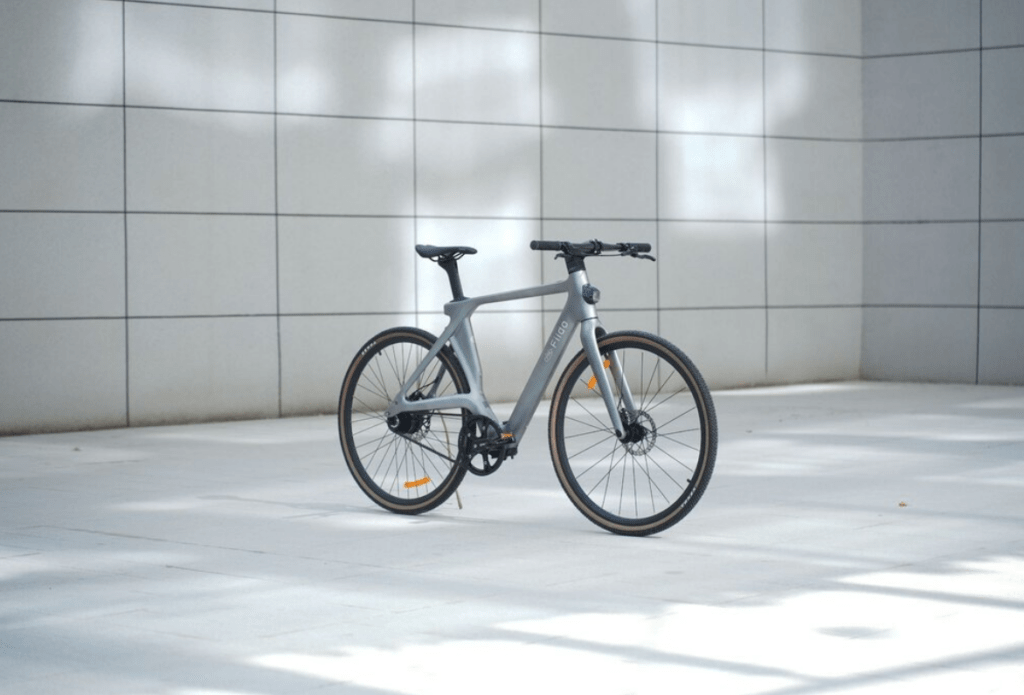
Carbon Fiber E-Bike: Why Lightweight Electric Bikes Are Transforming Urban Mobility
The growing demand for lighter electric bikes
Electric bikes have rapidly gained popularity across the United States. From busy urban centers like New York and Chicago to bike-friendly cities such as Portland and Austin, more riders are turning to e-bikes as a practical alternative to driving.
The reasons are clear: traffic congestion continues to increase, fuel prices remain unpredictable, and many people want transportation options that are both efficient and environmentally responsible.
But as e-bike adoption grows, many riders encounter a common issue—weight.
Traditional electric bikes often weigh between 55 and 70 pounds. While that extra weight comes from the battery and motor, it can make everyday tasks more difficult. Carrying a bike upstairs, lifting it onto a car rack, or storing it inside a small apartment quickly becomes inconvenient.
This is exactly where the carbon fiber ebike enters the picture.
By combining lightweight carbon fiber frames with modern electric drive systems, these bikes offer a solution that is both powerful and easy to handle. As a result, carbon fiber e-bikes are increasingly seen as the next evolution of urban electric mobility.
What is a carbon fiber e-bike?
A carbon fiber e-bike is an electric bicycle that uses carbon fiber as its primary frame material instead of aluminum or steel.
Carbon fiber has been widely used for decades in high-performance industries such as aerospace, motorsports, and professional cycling. The material is made from extremely thin carbon strands woven together and bonded with resin to create a structure that is both lightweight and incredibly strong.
Because of these properties, carbon fiber offers a unique combination of benefits:
- exceptional strength-to-weight ratio
- excellent vibration absorption
- resistance to corrosion
- flexible design possibilities
These characteristics make carbon fiber especially appealing for electric bikes, where balancing power, durability, and weight is essential.
Why carbon fiber works so well for electric bikes
Electric bikes require additional components such as batteries, motors, and controllers. These elements inevitably add weight to the bicycle. Using a lighter frame material helps offset that added mass while improving the overall riding experience.
There are several key reasons why carbon fiber has become such an attractive option for modern e-bike design.
Dramatically reduced weight
One of the biggest advantages of carbon fiber is its ability to reduce overall bike weight without sacrificing strength.
While many traditional e-bikes weigh well over 50 pounds, carbon fiber models can often fall closer to the 30- to 40-pound range. This difference may not sound dramatic on paper, but in daily use it can make a huge impact.
A lighter e-bike is easier to:
- carry up stairs
- lift onto a vehicle rack
- store in small apartments
- maneuver in tight spaces
For urban riders who frequently handle their bikes off the road, these advantages are significant.
A smoother and more comfortable ride
Another benefit of carbon fiber is its natural ability to absorb vibrations.
City streets are rarely perfectly smooth. Potholes, cracked pavement, and rough surfaces can create constant vibration while riding. Aluminum frames tend to transmit these vibrations directly to the rider, which can lead to fatigue during longer trips.
Carbon fiber behaves differently. The material dampens vibrations more effectively, creating a smoother and more comfortable ride. For commuters who spend time riding on imperfect roads, this difference can noticeably improve comfort.
High durability and corrosion resistance
Despite being lightweight, carbon fiber is incredibly strong. In fact, its strength-to-weight ratio is significantly higher than most metals used in bicycle construction.
Additionally, carbon fiber does not rust or corrode the way steel or aluminum can. This makes it well suited for riders in regions with humidity, coastal environments, or frequent rain.
With proper care, a carbon fiber frame can maintain its structural integrity for many years.
Modern design possibilities
Carbon fiber also allows manufacturers to experiment with shapes and design elements that are difficult to achieve with traditional metal frames.
Because the material is molded rather than welded, designers can create seamless, aerodynamic structures with clean lines and minimalist aesthetics.
Many carbon fiber e-bikes feature sleek silhouettes and integrated components that contribute to a modern, premium appearance.
For riders who appreciate both performance and visual design, carbon fiber offers a compelling combination.
Who benefits most from a carbon fiber e-bike?
While carbon fiber e-bikes can appeal to many riders, they are particularly valuable in certain lifestyles and riding situations.
Urban commuters
City commuters often need a bike that is efficient, reliable, and easy to manage during daily travel. A lighter e-bike simplifies commuting tasks like carrying the bike into an office or storing it indoors.
Apartment residents
Many people living in apartments do not have dedicated bike storage areas. Carrying a heavy e-bike up multiple flights of stairs can quickly become frustrating. A carbon fiber model significantly reduces that burden.
Riders who value performance
Cyclists who appreciate the responsive feel of traditional bicycles often prefer lighter e-bikes. Carbon fiber frames provide a riding experience that feels more agile and natural.
Riders seeking premium build quality
Carbon fiber bikes are often designed with high-end components and refined engineering. Riders looking for a more advanced e-bike experience frequently gravitate toward these models.
A standout example: the Fiido Air carbon fiber e-bike
Among the newer carbon fiber electric bikes entering the market, the Fiido Air stands out as a model designed specifically for lightweight urban mobility.
The Fiido Air combines advanced materials with modern electric technology to create an e-bike that feels closer to a traditional bicycle while still providing powerful assistance.
Ultra-light carbon fiber frame
The most striking feature of the Fiido Air is its full carbon fiber frame, which helps keep the overall weight extremely low for an electric bike.
At roughly 13.75 kg (about 30 pounds), the bike is dramatically lighter than many conventional e-bikes. This makes it far easier to carry, store, and handle during everyday use.
For riders living in apartments or navigating crowded city environments, this lightweight design offers clear practical advantages.
Natural riding feel with torque sensing
Another highlight of the Fiido Air is its torque sensor pedal-assist system.
Unlike simpler cadence sensors that provide assistance based only on pedal rotation, torque sensors measure how much force the rider is applying to the pedals. The motor then adjusts its support accordingly.
The result is a riding experience that feels smooth and intuitive. The bike responds naturally to the rider’s effort, making the assistance feel more like an extension of your own pedaling rather than an abrupt push from a motor.
For many cyclists, this creates a more enjoyable and engaging ride.
Low-maintenance belt drive system
Instead of a traditional chain drivetrain, the Fiido Air uses a Gates carbon belt drive.
Belt drives offer several advantages over standard chains:
- they require no lubrication
- they operate more quietly
- they produce less grease and dirt
- they typically last longer
For commuters who prefer a clean and low-maintenance bike, this system can be particularly appealing.
Clean, minimalist design
The Fiido Air also emphasizes a minimalist aesthetic that reflects modern urban design trends.
Its carbon fiber frame allows for smooth lines and integrated components, creating a bike that looks sleek and sophisticated while maintaining practical functionality.
The overall design has even earned recognition in international design competitions, highlighting the growing importance of aesthetics in modern e-bike development.
Carbon fiber vs aluminum e-bikes
Most electric bikes today still use aluminum frames. Aluminum remains popular because it offers a good balance of strength, affordability, and manufacturability.
However, there are several key differences between aluminum and carbon fiber frames.
Aluminum e-bikes are typically more affordable and widely available, but they tend to be heavier and transmit more road vibration.
Carbon fiber e-bikes, on the other hand, prioritize weight reduction and ride comfort. They also allow for more advanced frame designs but usually come at a higher price point due to the complexity of manufacturing.
For riders who prioritize lightweight performance and refined ride quality, carbon fiber often represents the superior option.
Are carbon fiber e-bikes worth the investment?
Because carbon fiber frames are more expensive to produce, these bikes generally cost more than comparable aluminum models. For some riders, this raises an important question: are they worth the investment?
For many urban commuters, the answer is yes.
A lighter bike can significantly improve everyday convenience, especially in cities where storage space is limited and riders frequently handle their bikes off the road.
In addition, the improved comfort, durability, and design quality of carbon fiber e-bikes often contribute to a better long-term ownership experience.
For riders who plan to use their e-bike regularly, these advantages can make the investment worthwhile.
The future of electric biking is getting lighter
Electric bikes have already transformed how many people move through modern cities. As technology continues to evolve, manufacturers are focusing more on efficiency, portability, and rider comfort.
Carbon fiber plays a major role in this evolution. By dramatically reducing weight while maintaining strength and durability, the material helps create electric bikes that feel more natural, practical, and enjoyable to ride.
Models like the Fiido Air illustrate how carbon fiber technology can reshape the electric biking experience, offering riders the benefits of both advanced materials and modern electric assistance.
As urban mobility continues to shift toward lighter, more efficient transportation solutions, carbon fiber e-bikes are likely to become an increasingly important part of the cycling landscape.