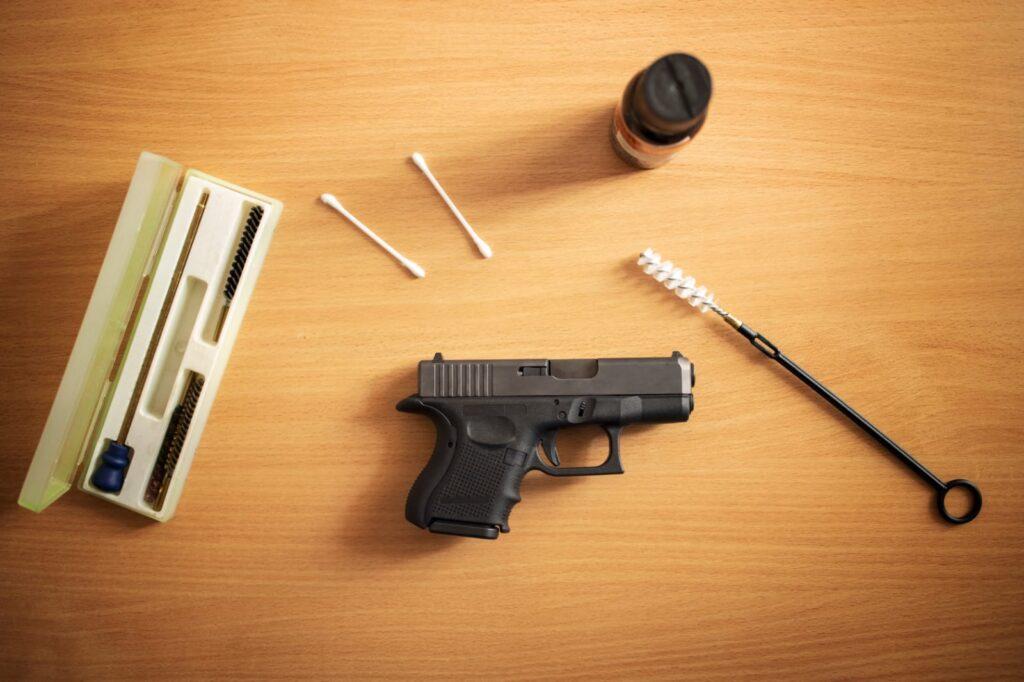
Polymer Pistols and the Evolution of Everyday Carry
Everyday carry (EDC) pistols have come a long way over the years. Once dominated by steel-framed revolvers and large, heavy pistols, today’s market leans heavily toward lightweight, polymer-framed handguns. Why? Because polymer pistols offer a simple, durable, and reliable solution for people who want to carry confidently without feeling weighed down.
A perfect example of this evolution is the Springfield Hellcat. It’s small in size but packed with capacity, representing a firearm that’s reshaped how people think about concealed carry.
In this guide, we’ll look at how polymer pistols became the standard for EDC, what makes them different from traditional options, and what to consider when choosing one.
What Are Polymer Pistols?
Polymer pistols are handguns that use a high-strength polymer frame instead of metal. While the internal parts, like the barrel and slide, are still made of steel, the frame, which includes the grip and housing for the trigger assembly, is a tough plastic. This makes the gun lighter while still offering enough strength to handle thousands of rounds.
This design became widely accepted with the rise of Glock in the 1980s. Since then, almost every major handgun manufacturer has created their own line of polymer-framed pistols.
Why Polymer Changed the Game
So why have polymer pistols become so popular, especially for everyday carry? Here are some simple reasons:
1. Lightweight for All-Day Comfort
Metal-framed pistols can feel heavy, especially if you’re carrying all day. Polymer frames significantly reduce overall weight, minimizing fatigue and making concealment easier.
2. Durability in All Conditions
Polymer doesn’t rust like steel. Rain, sweat, and humidity won’t damage the frame. This is helpful if you live in a humid area or carry in warm weather when moisture from your body is more likely to come into contact with the gun.
3. Simpler Maintenance
The materials used in polymer pistols are easy to clean and don’t require much upkeep beyond regular lubrication and inspection. Many are also designed with fewer parts, which makes disassembly and maintenance less intimidating.
4. Cost-Effective to Manufacture
Polymer frames are less expensive to produce, making high-quality handguns more affordable compared to all-metal options.
The Rise of the Striker-Fired Pistol
Most polymer pistols today use a “striker-fired” design. That simply means they don’t have an exposed hammer like traditional pistols. Instead, they use an internal striker mechanism to fire the round when you pull the trigger.
Benefits of Striker-Fired Pistols:
- Consistent Trigger Pull: Every shot feels the same, so there’s no need to worry about double-action vs. single-action like with older designs.
- Fewer External Controls: Most striker-fired pistols lack a manual safety lever, making them quicker to use under stress (though many include internal safeties).
- Slimmer Profile: Without an external hammer, these pistols are often thinner and less likely to snag on clothing during a draw.
For EDC, consistency and simplicity are major selling points.
Popular Polymer Pistols for Everyday Carry
Let’s take a look at two top-selling polymer pistols that highlight how this category has evolved.
Springfield Hellcat
The Springfield Hellcat is one of the most popular micro-compact pistols on the market. Despite its small size, it holds 11+1 or 13+1 rounds (depending on the magazine), which rivals the capacity of much larger guns. It has a crisp trigger, aggressive grip texture, and an optic-ready slide on some models, making it a standout choice for EDC.
Who it’s great for:
- First-time carriers who want a small but powerful pistol.
- Shooters looking for a high-capacity micro-compact.
- Users who want a red dot option without upgrading later.
Glock 19
When it comes to polymer pistols, few names are more trusted than Glock. The Glock 19 for sale online is a mid-sized pistol that’s often described as the “goldilocks” of carry guns. It’s not too big and not too small. It holds 15+1 rounds, has a clean, consistent trigger, and is known for running reliably under any condition.
Why people love the Glock 19:
- It’s easy to shoot but still compact enough to conceal.
- It accepts a wide range of aftermarket parts and accessories.
- It’s battle-tested and trusted by law enforcement agencies around the world.
Pros and Cons of Polymer Pistols
Let’s break down the main pros and cons for anyone considering one of these as their everyday carry option.
Pros:
- Lightweight and Comfortable: Easy to carry all day without fatigue.
- Corrosion Resistant: Better for sweaty or wet environments.
- Durable and Drop-Resistant: Designed to take a beating and still function.
- Affordable: More accessible for first-time buyers and budget-conscious shoppers.
- Easy to Customize: Many models support optics, lights, upgraded triggers, and extended mags.
Cons:
- Perceived Recoil: Lighter frames can sometimes feel “snappier” compared to heavier metal-framed pistols.
- Grip Feel: Some shooters prefer the weight and balance of metal guns.
- Trigger Quality (Varies): While many striker-fired guns have great triggers, they aren’t always as crisp as some hammer-fired models.
Choosing the Right Everyday Carry Pistol
So, how do you choose the best polymer pistol for your needs? Here are a few things to consider:
- Size
- Compact or micro-compact models are easier to conceal but may make it harder for beginners to shoot accurately.
- Midsize pistols like the Glock 19 strike a good balance.
- Capacity
- Think about how many rounds you want your pistol to carry. More isn’t always better if it makes the gun too bulky for comfortable carry.
- Optics Compatibility
- If you plan to use a red dot sight in the future, choose a model that’s optics-ready out of the box.
- Ease of Maintenance
- Striker-fired polymer pistols are often easier to clean and take apart than older-style pistols.
- Price and Value
- Stick to well-reviewed models with a reputation for durability and support. Many retailers offer great deals on handguns from Glock, Springfield Armory, and other brands.
Training and Practice Still Matter
No matter how good your pistol is, it’s only as effective as the person using it. If you’re buying a polymer pistol for concealed carry, plan to:
- Take a Firearms Safety Course: Many local ranges or instructors offer beginner-friendly classes.
- Visit the Range Often: Practice helps you build muscle memory and confidence with your chosen carry gun.
- Dry Fire at Home (Safely): Practicing safe dry-fire drills at home is a free and effective way to improve.
- Invest in a Good Holster: Comfort and safety go hand in hand with proper gear.
Final Thoughts
Polymer pistols have become the go-to choice for everyday carry, and for good reason. They’re lightweight, easy to conceal, durable, and simple to maintain. Striker-fired models like the Springfield Hellcat and Glock 19 represent the best of this evolution, offering dependable performance and thoughtful features designed for modern shooters.
Whether you’re a first-time buyer or upgrading your current setup, today’s handguns offer more options than ever before, without sacrificing quality. Take your time, do your research, and choose the one that best fits your needs. And as always, stay safe, stay informed, and keep practicing.