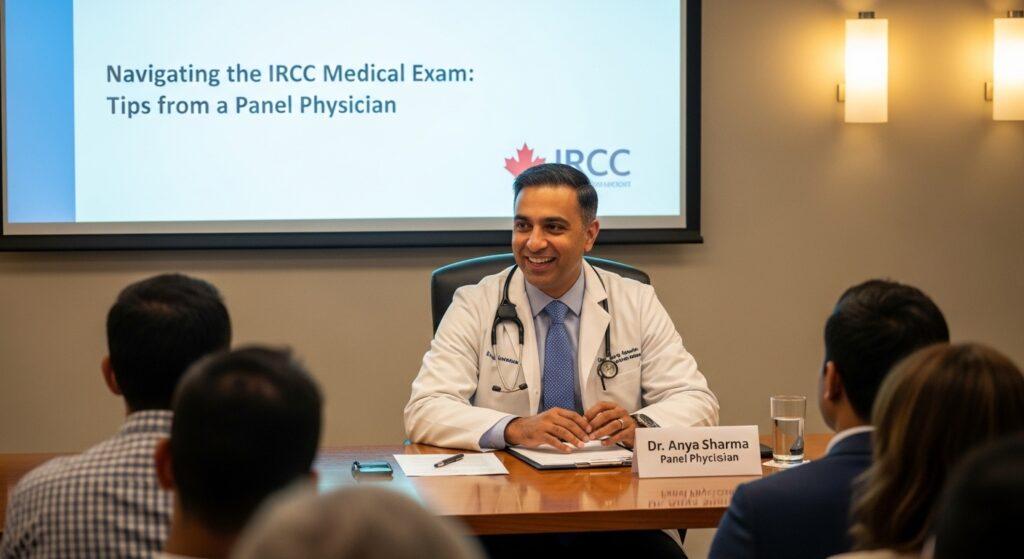
Navigating the IRCC Medical Exam: Tips from a Panel Physician
Moving to Canada comes with lists, deadlines, and a few unknowns. The medical exam shouldn’t be one of them. People arrive with the same questions every day: What will they ask? Will there be an X-ray? Can a small mistake mess things up? The exam is usually straightforward once the steps are clear.
First Things First: What The Exam Is
The IRCC medical exam is a standardized health screening used in the immigration process. It helps IRCC review public health considerations and potential demand on health and social services. It’s not a full “checkup,” and it doesn’t replace routine care with a family doctor or specialist.
Panel physicians complete the exam using IRCC’s required format, then submit results through eMedical. IRCC, not the clinic, reviews the results and makes decisions or requests follow-up.
Up-Front Or Wait For An IME Number?
Some programs allow an up-front medical. Others require an IME (or UMI) number first. The actual exam is the same either way, but the timing matters because the file has to link correctly in the system.
If up-front is permitted for a specific stream, doing it early can help keep the overall application moving. If an IME/UMI number is required, it’s better to wait; incorrect linking can create delays that are more frustrating than simply booking a little later.
What To Bring (And What Usually Causes Delays)
The biggest slowdowns are usually simple: name mismatches, missing ID, or not having key information on hand.
Bring a passport or government photo ID that matches the application exactly. If IRCC issued an IME/UMI letter, bring that too. If glasses or contacts are used, have them available for vision testing. It also helps to bring a short medication list (name, dose, and when it was started) and any relevant records that explain major past issues, short discharge summaries and specialist letters are usually enough.
Two small practical tips: stay normally hydrated if blood/urine testing is required, and skip a hard workout right before the appointment. Strenuous exercise can slightly shift certain readings and can complicate interpretation.
What Actually Happens On Exam Day
Most appointments follow a predictable sequence.
First is identity confirmation and a photo, so the file is matched to the correct person. Then comes a medical history in plain language: current conditions, medications, allergies, prior hospital stays, and questions about tuberculosis exposure or treatment. After that is a focused physical exam, height, weight, vision, blood pressure, and a head-to-toe review.
Testing depends on age and category. IRCC may require blood and urine tests and a chest X-ray as part of tuberculosis screening. Once all required pieces are complete, results are submitted to IRCC through eMedical. An information sheet is provided afterward as proof of submission.
If additional testing is needed for a specific reason, the reason should be explained before proceeding. The process shouldn’t feel mysterious.
Real Questions That Come Up Constantly
“I’m on blood pressure medication. Is that a problem?”
Usually not. Treated conditions are common. The medication and current readings are documented. What causes trouble is stopping medication without medical advice or trying to “game” the numbers.
“An old X-ray mentioned a TB scar, what now?”
This isn’t rare. IRCC has a standard pathway for findings like this. The key is clear documentation and completing whatever extra steps IRCC requires so the reviewing officer has context rather than an unanswered flag.
“Can someone tell me if I passed?”
A clinic can confirm that results were submitted. IRCC communicates decisions and follow-up requests through the online account.
Special Cases That Deserve A Heads-Up
Pregnancy should be mentioned early, including “might be pregnant.” IRCC uses a specific approach to TB screening in pregnancy, and options should be explained before any imaging decisions are made.
For children, requirements vary by age. Many children don’t need the same testing adults do. It helps when the clinic explains what applies before anything starts, especially for families juggling schedules.
Some jobs and training programs, healthcare, labs, and certain trades come with prior screening or vaccination records. If those exist, bringing them can reduce back-and-forth later.
The Small Details That Keep Files Moving
A surprising number of delays come from tiny clerical issues. One digit swapped in a birthdate can hold a file up. Spelling matters too, especially if passport names include multiple parts or a different order.
Clear uploads also help. When documents are labelled so a reviewer can identify the right page quickly, fewer questions come back. Notes should stay focused on what was found, what was tested, and what was submitted, no extra narrative, no missing context.
If IRCC asks for more information later, the process is usually straightforward: complete what’s requested, document it clearly, and send it through the proper channel.
A Simple Timeline To Picture
Start by checking whether the program allows an up-front medical or requires an IME/UMI number first. Gather the essentials: ID, any IRCC letter, glasses/contacts, a medication list, and short relevant records. Attend the exam and complete any required labs and chest X-ray. Keep the eMedical information sheet as proof of submission. Then monitor the IRCC account for messages and complete follow-ups quickly if requested.
Myths That Cause Unnecessary Stress
“Any doctor can do the immigration medical.”
For Canadian immigration, the exam must be done by an IRCC-approved panel physician.
“Stopping medication will make results look better.”
Don’t do that. Take prescribed medication as usual and report it accurately. Consistent information is easier to interpret and document.
“This replaces regular healthcare.”
It doesn’t. This is a purpose-built immigration screening, not ongoing medical care.
Privacy And Consent
Only the information required for the IRCC medical is collected and submitted through eMedical to IRCC. Proof of submission is provided afterward. Information is not shared outside the immigration medical process, and the exam does not function as long-term treatment management. If IRCC requests additional details later, the request should be explained clearly, including what is needed and why.
After The Exam: What You’ll Receive
The takeaway item is the eMedical information sheet/receipt. A clinic does not issue a pass/fail decision. If IRCC needs anything further, repeat imaging after a set interval, a specific lab, or extra documents, the request will appear in the online account.
Choosing A Clinic: Five Signals Of A Smooth Experience
Look for a clinic that is currently listed as IRCC-authorized, gives clear pre-visit instructions, submits through eMedical, coordinates required testing efficiently, and communicates in a straightforward way so the next steps aren’t vague.
One Last Word
Most people arrive tense and leave feeling calmer once they realize the exam follows a standard path. The more predictable the process feels, the easier it is to move on to the next part of the application.