Precision in Precipitation Monitoring: Why Advanced Rain Gauges Matter
Introduction
Rainfall plays a vital role in agriculture, urban planning, environmental protection, and disaster management. Accurate rainfall data helps meteorologists predict weather patterns, farmers plan irrigation schedules, and governments prepare for floods or droughts. Because of this, reliable rainfall monitoring technology has become an essential component of modern meteorological systems. As we all know, rainfall is one of the most important parameters in meteorological monitoring systems, making stable and reliable rain monitoring equipment particularly critical. Modern monitoring devices are designed not only to measure rainfall precisely but also to function reliably in challenging outdoor environments. Among the technologies used today, high-quality rain gauges stand out for their ability to deliver consistent and accurate measurements, enabling better data-driven decisions across multiple industries.
The Role of Accurate Rainfall Monitoring
Accurate rainfall monitoring is fundamental to understanding weather patterns and managing water resources effectively. Reliable rain gauges help meteorologists collect precise precipitation data, which is crucial for weather forecasting, hydrological research, and climate analysis. When rainfall is measured accurately, it allows authorities to anticipate floods, monitor drought conditions, and manage reservoirs more efficiently.
In agriculture, precise rainfall data helps farmers determine irrigation needs and optimize crop yields. For urban planners, rainfall measurements contribute to designing drainage systems that can handle heavy storms without causing flooding. Additionally, environmental scientists rely on consistent rainfall data to study climate change and ecosystem health. Without dependable measurement tools, these critical analyses would be far less reliable.
Key Features of Modern Rain Gauge Technology
Modern rain gauge systems are designed to provide high levels of accuracy, durability, and automation. Unlike traditional manual gauges, advanced digital instruments can collect and transmit rainfall data in real time. This allows meteorological stations and monitoring networks to track precipitation continuously without requiring constant human intervention.
Many modern devices also feature automatic data logging, wireless communication, and integration with meteorological monitoring platforms. These innovations enable faster analysis and more accurate weather forecasting. Additionally, modern rain gauges are built with materials that can withstand harsh outdoor conditions such as strong winds, temperature fluctuations, and heavy rainfall.
These technological advancements ensure that rainfall monitoring systems can operate reliably over long periods, even in remote or extreme environments.
Importance of Measurement Accuracy and Resolution
Measurement accuracy is one of the most critical aspects of rainfall monitoring equipment. Even small errors in measurement can lead to inaccurate climate models or poor water management decisions. High-quality rain gauges are therefore designed with precise calibration mechanisms to ensure dependable readings.
Another important factor is measurement resolution. Rainfall resolution refers to the smallest amount of precipitation the instrument can detect. Devices with higher resolution can detect lighter rainfall events that might otherwise go unnoticed. This capability is especially important in climate research and hydrological modeling, where detailed precipitation records are essential.
By combining high accuracy with fine resolution, advanced rain gauges provide more reliable data for scientific analysis, agriculture management, and environmental monitoring.
Reliable Outdoor Performance and Smart Monitoring
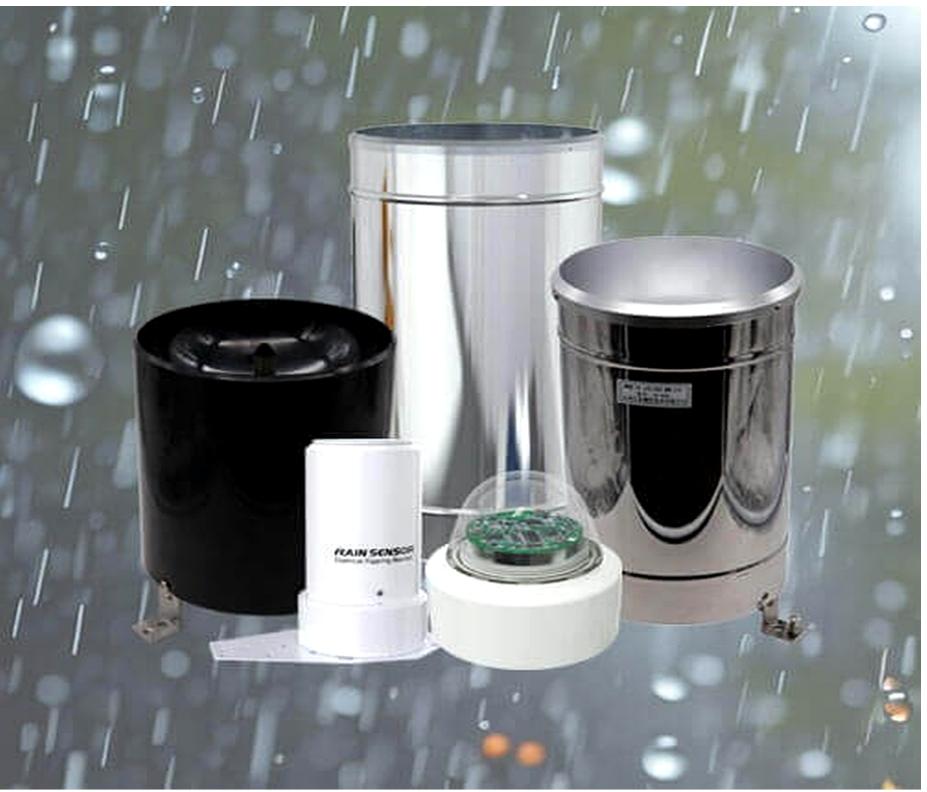
Modern monitoring solutions such as Renkeer rain gauges are specifically designed to perform reliably in demanding outdoor environments. They achieve a measurement accuracy of ±2% and provide multiple resolution options of 0.1 mm, 0.2 mm, or 0.5 mm, ensuring long-term stable operation even in complex environmental conditions.
These devices support instantaneous, daily, and cumulative rainfall data collection, allowing users to monitor precipitation trends over different time intervals. This flexibility makes them suitable for a wide range of applications, including agricultural monitoring, hydrological research, and weather forecasting.
Another significant advantage is their ability to integrate with solar power systems and cloud platforms. Solar-powered operation enables deployment in remote areas without access to traditional power sources, while cloud connectivity allows users to access rainfall data remotely in real time. This combination of durability, accuracy, and connectivity makes advanced rain gauges highly effective for modern meteorological monitoring networks.
Applications Across Multiple Industries
Rain gauges are used across a wide variety of industries and sectors. In agriculture, rainfall monitoring helps farmers manage irrigation efficiently and prevent water waste. By understanding natural precipitation levels, farmers can make informed decisions that improve crop productivity and reduce operational costs.
Hydrology is another field where rainfall monitoring plays a crucial role. Researchers and engineers rely on accurate precipitation data to analyze watershed behavior, predict river flow, and manage flood risks. Reliable rainfall measurements help ensure that water management systems operate effectively.
Urban infrastructure planning also depends on rainfall data. Engineers use historical precipitation records to design drainage systems, stormwater management facilities, and flood protection structures. Without accurate rainfall data, cities would face higher risks of flooding and infrastructure damage.
The Future of Rainfall Monitoring Technology
As technology continues to advance, rainfall monitoring systems are becoming more intelligent and interconnected. The integration of Internet of Things (IoT) technology allows rain gauges to automatically transmit data to centralized platforms where it can be analyzed in real time.
Artificial intelligence and big data analytics are also playing a growing role in weather forecasting and environmental monitoring. With more accurate and comprehensive rainfall data, predictive models can provide earlier warnings for extreme weather events such as storms or floods.
In addition, the use of renewable energy sources like solar power is making rainfall monitoring systems more sustainable and easier to deploy in remote areas. These innovations are helping to create global monitoring networks that provide valuable insights into climate patterns and environmental changes.
Conclusion
Reliable rainfall monitoring is essential for meteorology, agriculture, water management, and environmental protection. Accurate precipitation data allows scientists, engineers, and policymakers to make informed decisions that affect everything from crop production to disaster prevention.
Modern rain gauges combine high measurement accuracy, durable design, and smart connectivity to provide dependable rainfall data in a wide range of environments. With features such as precise resolution, real-time monitoring, and integration with cloud platforms, advanced rainfall monitoring systems are helping improve weather forecasting and resource management worldwide.
As technology continues to evolve, rainfall monitoring equipment will become even more sophisticated, providing deeper insights into climate behavior and supporting better environmental decision-making for the future.