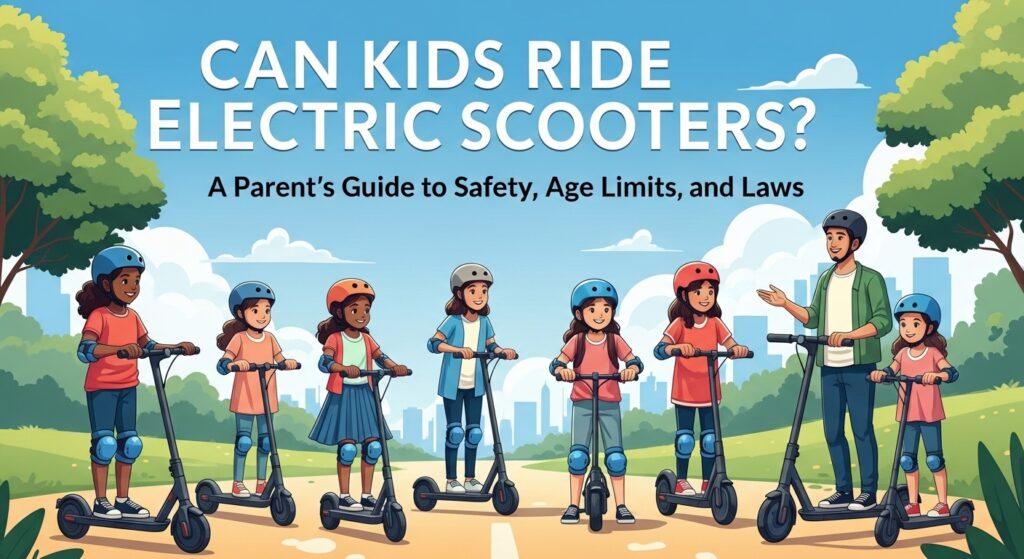
Can Kids Ride Electric Scooters? A Parent’s Guide to Safety, Age Limits, and Laws
Electric scooters are everywhere, on city streets, in parks, and even in suburban neighborhoods. As they become more popular, many parents ask the same question:
Can kids ride electric scooters safely?
The short answer is: Yes, but it depends on age, maturity, supervision, and local laws.
In this guide, we’ll break down what parents need to know before letting their child ride an electric scooter.
1. Is There a Minimum Age for Electric Scooters?
There is no universal global rule, but most manufacturers and local regulations recommend:
- Under 8 years old: Generally not recommended for electric scooters.
- 8–12 years old: Only youth-specific models with low speeds.
- 13–15 years old: May ride entry-level scooters, depending on local laws.
- 16+ years old: Often treated similarly to adult riders in many regions.
Many rental scooter companies require riders to be at least 18 years old, but privately owned scooters may have different age allowances.
Always check:
- Manufacturer recommendations
- Local city or state regulations
- Whether a driver’s license is required in your region
2. What Do Local Laws Say?
Regulations vary widely depending on where you live.
In many parts of Europe:
- Riders must be at least 14–16 years old
- Helmets may be mandatory for minors
- Scooters may be restricted from sidewalks
In some U.S. states:
- Minimum age can range from 8 to 16
- Certain states require a learner’s permit or a driver’s license
- Helmet laws often apply to riders under 18
Before purchasing an electric scooter for kids, check:
- Minimum legal riding age
- Helmet requirements
- Sidewalk vs. bike lane restrictions
- Maximum speed limits
Laws are changing quickly as micromobility grows, so always verify current regulations.
3. Are Electric Scooters Safe for Kids?
Electric scooters can be safe, but they are not toys.
Unlike kick scooters, electric scooters:
- Accelerate quickly
- Require balance and coordination
- Can reach speeds of 10–20 mph (16–32 km/h)
- Require braking awareness
Children who lack:
- Traffic awareness
- Good balance
- Impulse control
may be at higher risk of falls or collisions.
Common Injury Risks
- Wrist fractures (from falling forward)
- Head injuries (without helmets)
- Knee and elbow abrasions
- Collisions with cars or pedestrians
Proper safety measures dramatically reduce these risks.
4. Safety Guidelines for Parents
If you decide your child is ready to ride, follow these key safety steps:
✔ Choose the Right Scooter
Select a youth-specific model with:
- Lower top speed (8–12 mph is ideal for beginners)
- Smaller motor power
- Stable deck design
- Reliable braking system
Avoid giving children high-speed commuter scooters designed for adults.
✔ Always Use Protective Gear
Minimum recommended gear:
- Certified helmet (mandatory)
- Knee pads
- Elbow pads
- Closed-toe shoes
- Head protection is non-negotiable.
✔ Start in Controlled Environments
Before allowing street riding:
- Practice in empty parking lots
- Ride in parks or bike paths
- Avoid busy roads
Teach braking, turning, and stopping gradually.
✔ Supervise Younger Riders
Children under 14 should ideally ride:
- Under direct adult supervision
- In low-traffic environments
Gradually increase independence as skills improve.
5. What Skills Should a Child Have Before Riding?
A child may be ready for an electric scooter if they:
- Can confidently ride a bicycle
- Understand basic traffic rules
- Demonstrate good balance
- Show responsible decision-making
- Follow safety instructions consistently
If they struggle with a standard bike, an electric scooter may be too advanced.
6. Electric Scooter vs. E-Bike for Kids
Some parents consider e-bikes as an alternative. Key differences:
| Feature | Electric Scooter | E-Bike |
| Balance Required | High | Moderate |
| Seated Riding | No | Yes |
| Speed | Often similar | Often higher |
| Learning Curve | Faster but less stable | More familiar to bike riders |
Younger children may find seated e-bikes more stable, but both require maturity and supervision.
7. Pros and Cons of Kids Riding Electric Scooters
Benefits
- Encourages outdoor activity
- Teaches responsibility
- Reduces short car trips
- Builds coordination
Risks
- Injury potential
- Traffic exposure
- Speed misjudgment
- Peer pressure and riding behavior
The key difference between a safe and unsafe experience often comes down to parental guidance and rule-setting.
8. When Should Kids NOT Ride Electric Scooters?
Avoid electric scooters if:
- Your child ignores safety rules
- They ride impulsively or recklessly
- Local roads lack bike lanes
- Your area has strict prohibitions
- They refuse to wear protective gear
No scooter is worth compromising safety.
Final Thoughts: Should Kids Ride Electric Scooters?
Electric scooters can be safe and enjoyable for kids if chosen carefully, used responsibly, and supervised appropriately.
They are not toys, and they should not be treated casually. With the right model, proper safety gear, and clear family rules, they can be a fun and practical mobility option for older children and teens.
Before making a decision, ask yourself:
- Is my child mature enough?
- Do they understand road safety?
- Can I supervise their early rides?
- Are we following local laws?
If the answer is yes, an electric scooter can be a rewarding experience. If not, it may be better to wait.
Safety always comes first.