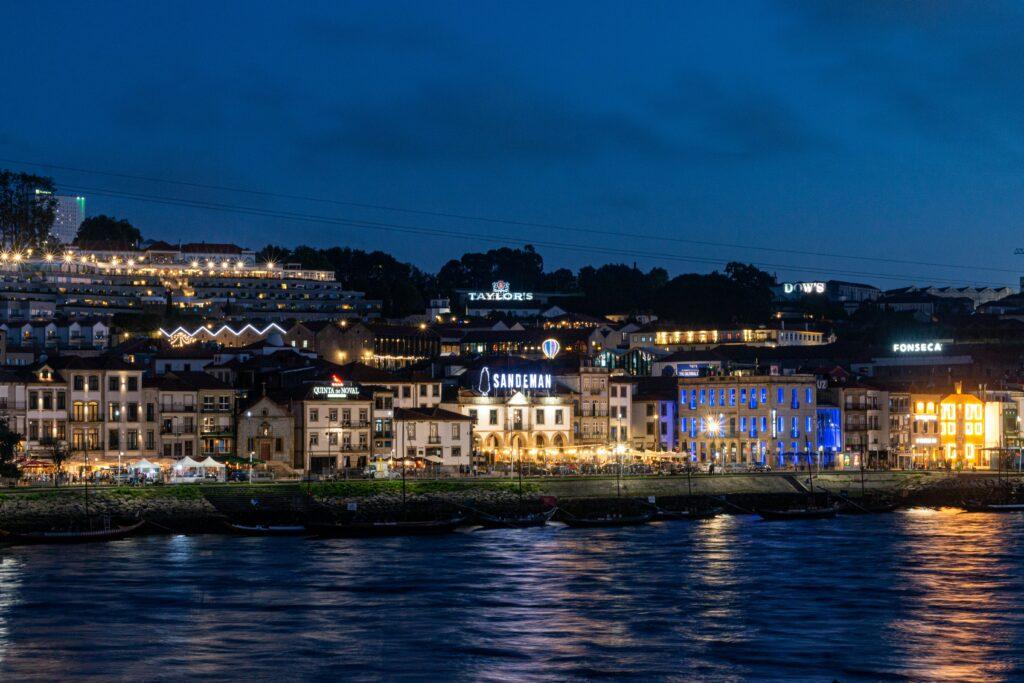
Portugal After Dark: How Night Travel, Late Dining, and Evening Culture Shape the Visitor Experience
Portugal has built its global reputation on sunshine, tiled streets, and postcard coastlines. But what many visitors only begin to understand after their first evening stroll is that the country truly reveals itself after sunset.
Dinner tables fill late, public squares hum with conversation, riverfronts glow with soft lighting, and music drifts through narrow streets long after midnight. For travelers, this is more than atmosphere; it’s a practical reality that affects transportation choices, accommodation decisions, daily schedules, and even how you experience local culture. Understanding Portugal’s nighttime rhythm can turn an ordinary trip into a smoother, more immersive journey.
Why Portugal Runs Late — And Why Travelers Should Adapt
Portugal operates on a noticeably later schedule than much of northern Europe. Restaurants typically open their kitchens around 7 p.m., and it’s common for locals to sit down for dinner closer to 9 or even 10 p.m. Cafés buzz with activity until late, and social events frequently spill over into the early hours.
This nocturnal schedule can be a bit of a shock for newcomers. If you’re peckish at six o’clock, you might find yourself wandering desolate streets, hunting for a place to eat. However, once you acclimate to the local tempo – sightseeing in the morning, taking a siesta during the afternoon heat, and venturing out again when the sun goes down – the pattern becomes clear.
Portugal favors a more leisurely, sociable approach to travel, as opposed to the frantic pace of a tightly packed itinerary. Slowing down and matching the local rhythm often pays off. Meals feel less rushed, streets stay active longer, and you’re more likely to stumble into moments that weren’t on your itinerary — a packed terrace, a street musician, or a late-night café still buzzing with conversation.
Getting Around After Dark: Trains, Subways, and Beyond
Moving around Portuguese cities at night is easier than many visitors expect. Lisbon and Porto both keep their metro systems running late, and when trains stop, night buses usually take over the busiest routes. Uber and Bolt are everywhere, and prices are generally reasonable compared to other European capitals. That makes late dinners, concerts, or evening walks along the river far less stressful — you don’t need to rush home or carefully time the last train.
This approach to travel also works well for longer distances. The Lisbon–Porto rail line, for instance, has late departures, letting travelers enjoy the sights during the day before heading to a new city in the evening. Routes to the Algarve frequently include late-night options, particularly during the summer months when tourism is at its peak.
This kind of flexibility means you can catch a concert, eat dinner by the river, or watch the sunset without stressing about missing your train or bus. For visitors, it adds a nice touch of freedom to the day’s itinerary.
Late Dining: What to Know About Restaurants
Portuguese dining is all about conversation, sharing food, and taking your time. Meals are generally not hurried. Servers anticipate guests will stay awhile, savor their wine, and make dinner a leisurely, social affair, not a rushed transaction.
If you’re hoping to dine in popular Lisbon spots like Bairro Alto, Alfama, Chiado, Ribeira, or the coastal resorts during the busy season, it’s wise to book ahead. Traditional taverns might not open until later in the evening, while modern restaurants frequently fill up between 8:30 and 10:30 p.m.
For those who prefer an earlier meal, bakeries, cafés, hotel restaurants, and casual places that cater to international dining habits are good options. Still, a lot of travelers end up preferring the later schedule. Restaurants feel more alive, seafood is often at its best, and many music venues only really get going once dinner service winds down.
What to Expect After Dark (Evening Culture)
Portugal’s nights aren’t only about bars and clubs.
In Lisbon, for example, Fado houses draw people in with small, intimate performances where music, local stories, and emotion take center stage. Porto’s riverside transforms into a lively gathering place, a spot where locals and tourists can enjoy a drink and observe the boats as they navigate the water.
Across the nation, summer ushers in a flurry of outdoor festivities.
Lisbon’s Santos Populares celebrations bring the aroma of barbecued sardines and the rhythm of street dancing to life. Porto’s São João festival transforms the city into a vibrant night of celebration.
Smaller towns also get in on the action, with evening markets, open-air concerts, and seasonal events that often go unnoticed in the usual travel guides.
If you’re venturing around, a quick look at local event calendars can reveal some truly special experiences that can really make a trip.
Practical Considerations: Sports and Evening Hangouts in Portugal
Nighttime in Portugal isn’t just about restaurants or concerts. On game days, a lot of people end up in sports bars or small football cafés. In Lisbon, Porto, and Braga, you’ll often see places spilling onto the sidewalk, TVs facing the street, and groups gathered outside to watch matches together.
If you plan to follow football while you’re there — or spend evenings in places where games are on — it helps to know how the system works. Portugal has specific rules around betting, and checking which platforms are officially allowed to operate can save you from using shady or unofficial services. Before you arrive, you might want to look into resources that detail the local betting scene and the companies that are licensed to offer services. This information at https://bookmaker-expert.com/country/portugal/ can be valuable for anyone planning to support Portuguese teams, go to games, or simply enjoy watching matches in bars or other public places during their visit.
Safety and Night Travel Advice for Visitors
Portugal is frequently cited as one of the safest countries in Europe, and that includes nighttime excursions. Tourist areas are well-illuminated, bustling even late into the evening, and receive regular police presence. Violent crime is rare, and many visitors say they feel at ease strolling through central areas after sunset.
That said, a bit of common sense about travel is still in order. Pickpockets can be a problem in the crowded nightlife areas, like Bairro Alto, and on the bustling streets during festivals. Keep your things close, use official taxis or ride-hailing apps you trust, and stick to well-lit, busy streets if you’re out exploring unfamiliar neighborhoods late at night.
Generally speaking, Portugal’s nightlife feels friendly, not threatening – which is why so many solo travelers and families enjoy being out and about in the evenings.
Choosing Your Base: A Nightlife Perspective
The choice of where you stay matters more than most realize. Since evening activities are a significant part of the experience, the location of your lodging has a direct effect on the convenience and overall comfort of your visit.
Staying near metro lines or in central areas makes getting back late at night much easier. Lisbon’s Baixa, Chiado, and Cais do Sodré neighborhoods are perfect for those who want to walk to dinner and enjoy the nightlife. Porto’s Ribeira and Cedofeita offer the same kind of appeal.
Along the coast, you’ll find evening strolls and entertainment along the beach. If you prefer a quieter evening, residential areas are a good choice, as long as you have access to public transport or a ride-hailing app.
Why Portugal’s Nightlife Is an Allure for Tourists
Portugal’s late-night culture isn’t just a quirk; it actually influences how visitors experience the country. Evening festivals pull visitors into everyday local routines. Late dinners stretch into long conversations. Things slow down naturally.
Walking around Portuguese cities at night feels different than during the day. Instead of ticking off landmarks, people tend to wander. You stop for a coffee that turns into an hour. You pause to listen to a street musician. You sit near the river with no real plan to move on.
That slower rhythm is what makes Portugal feel less like a tourist circuit and more like a place people actually live in.
In short: Follow the Local Pace
Portugal doesn’t reward strict schedules. It works better when you stay flexible. When nights aren’t treated as leftover time but as part of the day itself, the country feels easier to settle into.
Some of the best moments happen without planning — late walks along the water, simple seafood dinners that run long, small festivals you didn’t know were happening, or catching a sunset train just because it fits the mood.