The Global Commute: Why Remote Work is a Win for Our Mental Health
For nearly a century, work was a place you went to. You woke up, put on specific clothes, and traveled to a building where you sat at a desk until a certain time. But today, the “office” is no longer a physical destination for millions of people. It is a digital space that exists in our laptops and phones. This shift from the physical “cube” to the digital “cloud” is one of the biggest changes in human history, and it is completely reshaping how we feel.
The End of the “9-to-5” Mentality
The move to remote work has changed the rhythm of our lives. For many, the greatest gift has been time. Saving two hours a day by skipping a commute isn’t just a convenience; it is a psychological win. People are using that extra time to sleep more, cook healthy meals, or walk their children to school. In 2026, flexibility is the new gold standard. However, because the lines between home and work are now so thin, many people find themselves working longer hours than before. It has become very common for employees to take a burnout quiz to see if their new “freedom” is actually causing more stress than the old office routine. We are learning that while we saved time on the road, we now have to work harder to protect our mental peace at home.
The Autonomy Advantage
One of the best things about remote work is “autonomy,” which is a fancy word for being in control. In a traditional office, you can’t control the bright lights, the loud coworkers, or the temperature. These small things can cause “sensory stress” that adds up over the day. At home, you are the boss of your environment. You can work in a quiet room, play soft music, or open a window for fresh air.
This control helps people reach a “flow state”—that wonderful feeling where you are so focused on your work that time seems to fly by. Without someone tapping on your shoulder every ten minutes, your brain can dive deeper into creative tasks. For people who are introverted or have high anxiety, the home is a “psychological safety” zone. It allows them to focus on their talents rather than the stress of social office politics.
New Challenges for a New Era
Remote work isn’t perfect, though. It brings a new kind of pressure called “digital presenteeism.” This is the feeling that you must always have a “green light” on your chat app to prove you are working. This creates a constant buzz of anxiety in the back of the mind.
Then there is the “Loneliness Gap.” Humans are social animals. While we might not miss the long meetings, we do miss the quick chats by the coffee machine. To fight this, many remote workers are moving to “third places”—like local cafes or shared workspaces—to find a sense of community. The biggest risk is the “Sleep-Work-Repeat” trap. When your bedroom is also your boardroom, your brain can get confused. It stops receiving the signals it needs to relax, which can lead to insomnia.
The Global Wellness Landscape
Remote work has created a world without borders. “Digital Nomads” can now choose where they live based on what makes them happy, rather than where their company is located. Someone might move closer to the mountains for better air or back to their hometown to be near aging parents. This ability to “live where you breathe” is a massive boost for long-term mental health.
Different parts of the world are handling this differently. In Europe, “Right to Disconnect” laws are becoming popular, making it illegal for bosses to email staff after work hours. In other regions, “Workations” allow people to travel while still keeping their jobs. This global shift is also making work more inclusive for caregivers and people with disabilities, giving everyone a fair shot at a purposeful career.
The Employer’s New Role
Companies are realizing that a ping-pong table in the office is no longer a “perk.” Employees today care more about mental health support than a high salary. In 2026, the best managers are those who lead with empathy. They don’t just track how many hours you worked; they check in to see how you are doing. Virtual “coffee chats” and mental health days are becoming the new standard. Leadership is no longer about watching over someone’s shoulder; it’s about making sure they have the tools to stay healthy while working from afar.
Designing Your Personal Sanctuary
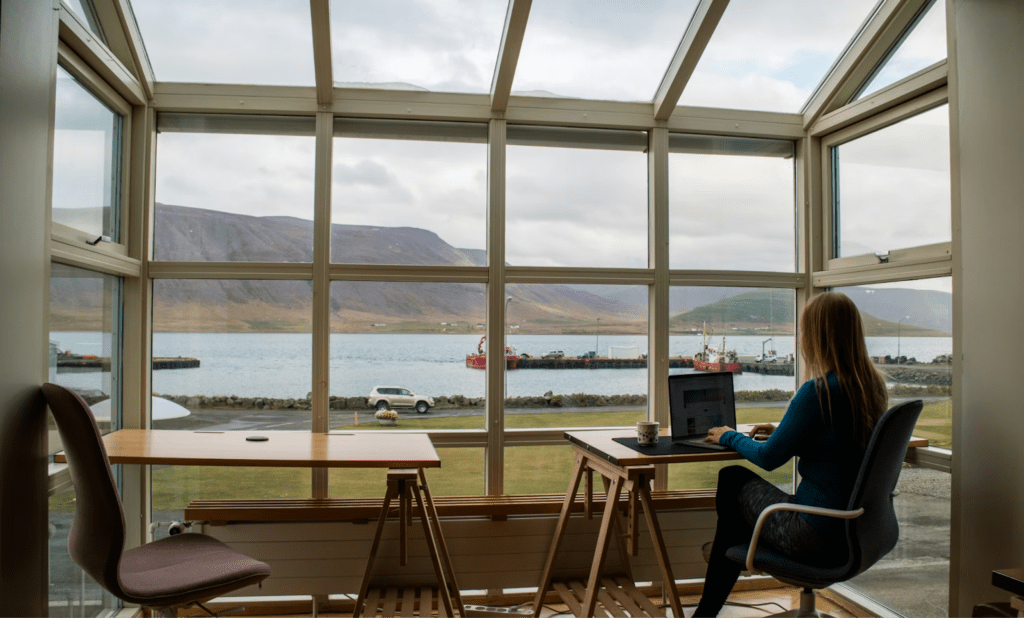
To stay well, you must be the architect of your own space. Even in a small apartment, having a dedicated work desk is vital. It tells your brain: “This is for work.” When you sit there, you are an employee. When you leave, you are just a person at home.
Some people use a “fake commute” to help their brains switch modes. This could be a 15-minute walk before work and another one after work. These rituals are like a “power-down” button for your nervous system. They signal that the day is done and it is time to rest.
A Healthier Way to Work
Remote work is much more than a trend; it is a tool for a better life. We are finally moving away from a world where we had to fit our lives into our work. Now, we are learning how to fit work into our lives.
While there are challenges like loneliness and digital stress, the freedom to choose our environment is a huge step forward for global mental health. The future of work is not just about being productive; it is about being well. By setting clear boundaries and choosing to be “human” in a digital world, we can create a way of working that truly supports our souls.