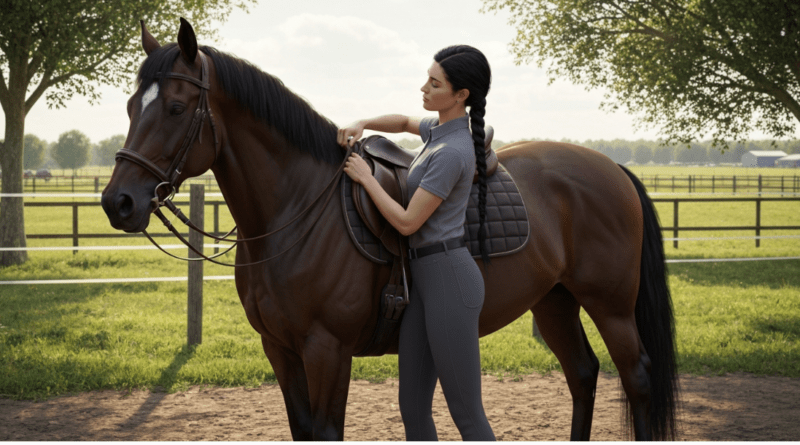
Saddle Secrets: How the Right Horse Saddle Transforms Your Ride
Key Highlights
- The right saddle is fundamental to a positive riding experience for both you and your horse.
- Proper saddle fit prevents pressure points and potential injuries to your horse’s back.
- A well-fitted saddle enhances the rider’s balance, stability, and overall comfort.
- Understanding your horse’s unique back shape is crucial for selecting the correct saddle.
- Regular checks and consulting a professional saddle fitter are vital for your horse’s comfort.
- Sweat patterns can offer valuable insights into how well your saddle fits.
Introduction
Welcome to the world of equestrian excellence, where the bond between horse and rider is everything. A huge part of that connection comes down to your gear, especially your saddle. How does choosing the right horse saddle improve comfort for both rider and horse? A well-chosen saddle is the key to unlocking a better riding experience, ensuring your horse’s comfort and protecting its back. The right saddle fit isn’t just a luxury; it’s a necessity for happy, healthy, and successful rides.
The Role of Horse Saddles in Riding Comfort
Think of your horse saddle as the primary point of communication between you and your horse. It distributes the rider’s weight across the horse’s back, and a poor saddle fit can create painful pressure points, leading to resistance and discomfort. A proper fit is essential for a better riding experience.
Using the right saddle pad can help, but it’s not a cure-all for a badly fitting saddle. The goal is to ensure your horse can move freely and comfortably, making every journey a pleasant one.
How the Right Saddle Enhances the Rider’s Experience
For the rider, the right saddle is the foundation of a secure and comfortable journey. When your saddle fits you correctly, it supports your position, helping you maintain balance and stability. This allows you to communicate with your horse more effectively through subtle shifts in your weight and leg aids. A proper seat size and saddle tree shape matched to your body make a world of difference.
You’ll find that horseback riding becomes less tiring and more enjoyable when you aren’t constantly fighting to stay in position. A saddle that fits you well enables you to relax and move in harmony with your horse, creating that close-knit feeling every rider seeks.
Ultimately, a comfortable rider is a more confident rider. This confidence translates directly to your horse, helping them feel more at ease. Whether you’re training, competing, or just enjoying a leisurely ride, the right saddle is your partner in achieving a seamless and joyful experience.
Improving Your Horse’s Wellbeing with Proper Saddle Fit
The impact of a saddle on a horse’s health is immense. A proper saddle fit is non-negotiable for your horse’s performance and long-term wellbeing. When a saddle fits correctly, it allows for complete freedom of movement, ensuring muscles can work without being pinched or restricted. This directly prevents potential injuries and soreness.
How does the wrong saddle impact your horse’s health and performance? A poorly fitting saddle can cause a range of problems, from sore back muscles and rubs to more serious issues like muscle atrophy over time. You might notice your horse becoming reluctant to be saddled, bucking, or showing signs of discomfort during rides. A comfortable horse is a willing and happy partner.
Ensuring adequate wither clearance and an even pressure distribution are key components of a good fit. By prioritising proper saddle fit, you are investing in your horse’s physical and mental health, paving the way for better performance and a stronger partnership.
Understanding Saddle Fit: Key Elements for Australian Riders
For Australian riders, who often spend long hours in the saddle across varied terrain, understanding saddle fit is crucial. Our horses, like us, have unique body shapes. A saddle fitting must account for your horse’s specific back shape, wither height, and shoulder movement to ensure a perfect match.
What might work for one horse won’t necessarily work for another. Even with the best saddle pad, an ill-fitting saddle can cause problems. Taking the time to learn the key elements of fit will pay off in every ride. Now, let’s look at some essential factors and signs to watch for.
Essential Factors That Determine Proper Horse Saddle Fit
Achieving a properly fitting saddle involves looking at several key areas. It’s not just about placing the saddle on the horse’s back; it’s about seeing how it interacts with their body, both stationary and in motion. A professional saddle fitter can be your best resource, but knowing the basics will help you spot fit issues early.
A good rule of thumb is to check the fit without a saddle pad first. This gives you the clearest picture of how the saddle sits. You want to ensure there is enough room for the spine and withers, with the panels making even contact along the horse’s back. Common mistakes often stem from overlooking these fundamental checks.
Here are some crucial factors to assess:
- Gullet Width: The channel running down the middle of the saddle must provide enough room to clear the horse’s spine completely.
- Panel Contact: The saddle’s panels should rest evenly on the horse’s back muscles without bridging (gaps) or rocking.
- Wither Clearance: There should be two to three fingers of space between the pommel and the horse’s withers.
- Saddle Balance: The deepest part of the seat should be level when the saddle is on the horse’s back.
Recognising Signs of Correct and Incorrect Saddle Fit
Knowing the signs of a proper saddle fit is one of the most important skills a rider can have. When a saddle fits well, the horse moves freely and willingly. You’ll notice an even sweat pattern after a ride, indicating balanced pressure. The saddle will sit securely without shifting, and your horse will show no signs of tenderness or soreness on its back.
Conversely, an incorrect fit will create obvious problems. Look for dry spots in an otherwise sweaty back, which signal intense pressure points. Other red flags include rubbing, hair loss, or signs of discomfort like pinning ears or tail swishing when you girth up. The saddle should sit in the “sweet spot,” not too far forward on the shoulders or too far back on the loins.
Here’s a quick guide to what to look for:
| Sign of Correct Fit | Sign of Incorrect Fit |
| Even the sweat pattern under the saddle | Dry spots surrounded by sweat |
| Saddle stays balanced and still | Saddle rocks, bridges, or shifts side-to-side |
| The horse moves freely and forward | Horse shows resistance, pins ears, or bucks |
| No sores, rubs, or white hairs | Swelling, tenderness, or sores on the back |
Expert Tips for Choosing the Perfect Horse Saddle
Choosing the best saddle can feel overwhelming, but a few expert tips can guide you. The most important step is to involve a professional saddle fitter. They have the expertise to assess your horse’s unique shape and your riding needs to recommend a quality saddle. For horse owners, this investment ensures a custom fit that prevents long-term issues.
Remember that a horse’s back can change shape with age, fitness, and conditioning. Regular checks are essential. The following steps will help you assess fit and understand what to look for when you’re considering a new saddle.
Practical Steps for Assessing Saddle Fit
If you think your saddle doesn’t fit, a quick check can give you a better idea of what’s going on. The first steps are simple and can be done right in the stable. Start by placing the saddle on your horse’s back without a saddle pad or girth. This allows you to see exactly how the panels make contact with the back shape.
The saddle should sit level, with the seat size accommodating you comfortably. Slide your hand under the front of the saddle to check wither clearance; you should have space. Then, run your hand along the panels to feel for even contact, ensuring there are no gaps or tight spots.
Here’s a quick checklist to follow:
- Check the Balance: Place the saddle on the horse’s back and step back. Does it look level, or is it tilting forward or backward?
- Assess Wither Clearance: Ensure you can fit at least two to three fingers between the pommel and your horse’s withers.
- Evaluate Panel Contact: Run your hand under the panels from front to back. The pressure should feel even all the way along.
- Look at Shoulder Freedom: Make sure the saddle tree points are behind the shoulder blade to allow for free movement.
Sweat Patterns and Other Saddle-Fitting Indicators
How can sweat patterns indicate if a saddle is fitting properly? After a good workout, the sweat pattern on your horse’s back under the saddle pad can tell you a lot. An ideal sweat pattern is even and consistent, showing that pressure has been distributed equally across the panels. It’s a clear sign that your saddle is working with your horse, not against it.
However, a dry spot in an otherwise wet area is a major red flag. A dry spot indicates a point of intense, constant pressure that has cut off blood flow and prevented sweating. These pressure points are painful and can lead to muscle damage over time.
Pay close attention to these patterns after every ride. They are one of the most reliable indicators you have for your saddle fitting. If you notice inconsistencies, it’s time to re-evaluate the fit, perhaps with the help of a professional.
Conclusion
In conclusion, selecting the right horse saddle is essential for both rider comfort and horse wellbeing. A well-fitted saddle not only enhances your riding experience but also ensures that your horse remains comfortable and healthy during rides. By understanding the key elements of saddle fit and taking the time to assess your options, you can significantly transform your riding journey. Remember to observe sweat patterns and other fitting indicators, as these can greatly affect performance. If you’re ready to elevate your riding experience, don’t hesitate to explore our range of quality horse saddles. Happy riding!
Frequently Asked Questions
How does a poorly-fitting horse saddle impact performance?
A poor saddle fit creates painful pressure points, restricting movement and causing your horse to resist commands. This can lead to a sour attitude, poor performance, and even long-term issues like muscle atrophy. A comfortable horse is a willing and athletic partner, so fit is directly linked to performance.
What should beginners know about selecting horse saddles?
Beginners should always seek guidance from a professional saddle fitter. It’s easy to overlook crucial fit issues when you’re new to horseback riding. Investing in the right saddle from the start prevents problems and builds a positive foundation. Remember that regular saddle checks are necessary as your horse changes shape.
What are the first things to check if my horse shows discomfort?
If your horse seems uncomfortable, first do a quick check of the saddle fit without a saddle pad. Look for obvious pressure points, check for wither clearance, and see if the saddle rocks or bridges. Your horse’s comfort is paramount, so if you suspect an issue, stop riding and consult a professional.