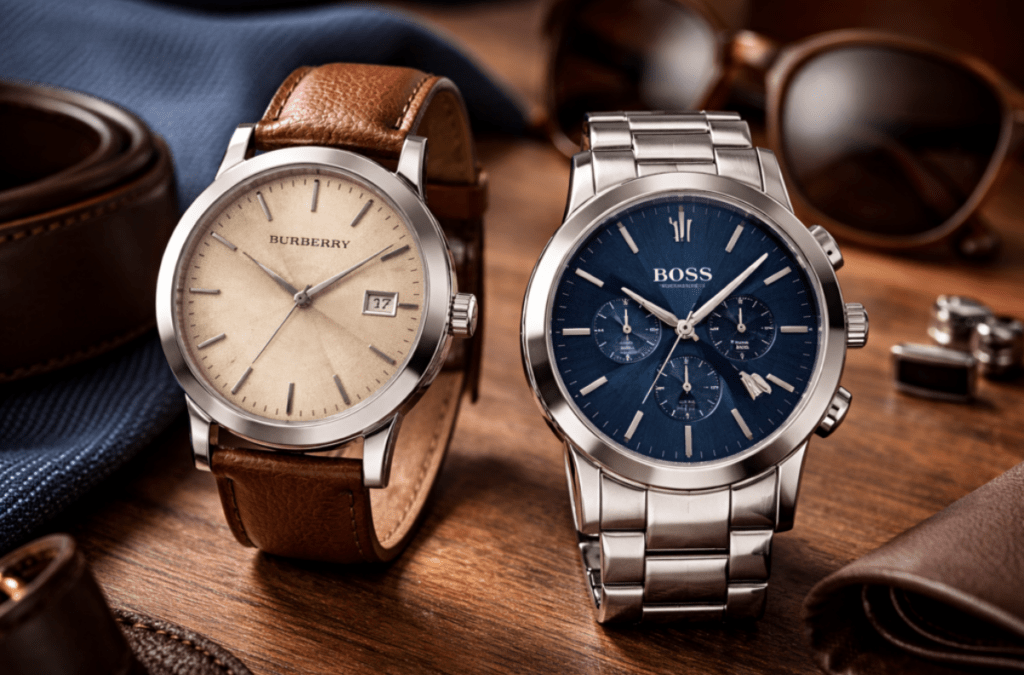
Everyday Elegance: Wearing a Burberry Watch vs Hugo Boss Watch for Smart Casual Looks
Smart casual style occupies a unique space in modern fashion. It is neither strictly formal nor completely relaxed, but instead balances refinement with comfort. Within this dress code, accessories play a decisive role in shaping the overall impression. When choosing between a Burberry watch and a Hugo Boss watch, the decision is rarely just about telling time. It is about identity, versatility, and how a single accessory can influence the tone of an entire outfit.
Both brands are well-established in the global fashion landscape, yet they project distinct aesthetic philosophies. Understanding these differences helps consumers select a timepiece that aligns with their wardrobe, professional environment, and long-term style goals.
Understanding Smart Casual: The Context Matters
Before comparing design philosophies, it is important to define what smart casual entails. Typically, smart casual includes tailored trousers or dark denim, button-down shirts, blazers, knitwear, loafers, and clean sneakers. The overall aim is to appear polished without appearing overly formal.
In this setting, a watch functions as a bridge between structure and ease. Too formal, and it may feel out of place; too casual, and it may undermine the sophistication of the outfit. The challenge lies in selecting a timepiece that complements versatility.
A watch worn with smart casual attire should ideally enhance subtle elegance rather than dominate attention. However, how that elegance is interpreted differs between brands.
Brand Identity and Design Philosophy
Burberry watches often reflect the brand’s British heritage. Known for its trench coats and classic tailoring, the design language leans toward refined minimalism. Clean dials, neutral tones, and traditional strap materials such as leather are common elements. The overall effect is structured yet understated.
Hugo Boss watches, by contrast, frequently embody modern European tailoring with a slightly bolder edge. The brand’s fashion roots in sleek menswear and contemporary silhouettes are often reflected in watch designs that feel sharp, streamlined, and occasionally sport-inspired.
While both brands sit within the designer category, their aesthetic priorities differ. One leans toward heritage refinement; the other toward contemporary urban polish.
Visual Impact in Everyday Settings
A key consideration for smart casual styling is visual balance. A Burberry wrist watch often integrates seamlessly into outfits that rely on muted tones and classic layering. For example, pairing a beige trench coat with navy trousers and brown loafers creates a cohesive palette where a classic timepiece supports rather than distracts.
In contrast, a Hugo Boss wrist watch may introduce sharper lines or metallic accents that subtly command attention. With charcoal blazers, slim-fit trousers, and modern sneakers, this approach can amplify a sleek aesthetic.
The trade-off here involves visibility versus integration. An understated design may blend harmoniously, while a more assertive one can act as a focal accessory. Choosing between them depends on whether the wearer prefers harmony or contrast.
Versatility Across Occasions
Smart casual environments range from office meetings to dinner outings and weekend events. Therefore, adaptability is crucial.
Burberry watches often excel in conservative professional settings. Their restrained aesthetic aligns with business-casual offices, networking events, and semi-formal gatherings. Because the design language is rooted in tradition, it rarely clashes with formal components such as blazers or structured coats.
Hugo Boss watches, on the other hand, can transition effectively into after-hours settings. Their modern styling may pair well with fitted shirts, leather jackets, or darker denim. However, certain sport-influenced designs may feel less suited to highly conservative environments.
The trade-off centers on adaptability across extremes. A heritage-inspired piece may offer broader compatibility, while a contemporary design may better suit fashion-forward contexts.
Material Choices and Their Impact
Materials play a significant role in determining how a watch complements smart casual attire. Leather straps often convey warmth and refinement, while stainless steel bracelets introduce modernity and structure.
Many Burberry wrist watch designs favor leather straps in brown, black, or neutral tones. These materials harmonize well with tailored trousers, wool coats, and suede footwear. Leather also softens the overall look, reinforcing a classic sensibility.
Hugo Boss watches frequently feature both leather and stainless-steel options, with some models incorporating chronograph details. Stainless steel can add a sharper, slightly industrial tone. In smart casual settings, this can elevate an outfit but may also increase formality.
Choosing between leather and steel involves balancing comfort, durability, and stylistic impact. Leather may age gracefully and feel lighter, but steel can offer enhanced resilience and a contemporary finish.
Dial Design and Readability
Dial design influences not only aesthetics but also functionality. Minimalist dials with simple hour markers align with understated elegance. More detailed dials featuring chronograph subdials add complexity and visual interest.
Burberry watches often emphasize simplicity, which supports readability and a refined appearance. In smart casual settings, minimalism aligns with the goal of effortless sophistication.
Hugo Boss watches sometimes incorporate multi-function dials. While these features add technical appeal, they can also create a busier aesthetic. For individuals who value practicality and dynamic design, this may be appealing. For those who prefer quiet elegance, it may feel excessive.
The trade-off lies between clarity and complexity. Simplicity enhances timelessness, while detail adds personality.
Comfort and Everyday Wearability
Because smart casual attire is often worn for extended hours—whether at work or social events—comfort becomes a central factor.
Leather straps may conform more naturally to the wrist over time, while metal bracelets can feel heavier but provide durability. The size and thickness of the watch case also matter. Larger cases may make a bold impression but can feel cumbersome during long wear.
Balancing aesthetics with ergonomic comfort ensures that the watch enhances rather than disrupts daily routines. Buyers should consider wrist size, typical activity levels, and personal comfort preferences.
Longevity and Timeless Appeal
When investing in a designer timepiece, longevity is a key consideration. Trends in watch design shift gradually, but details such as oversized cases or highly stylized dials may age faster.
Burberry watches often adhere to classic proportions and neutral tones, which can extend their relevance. Hugo Boss watches, particularly those with contemporary detailing, may reflect current fashion movements more closely.
The challenge is predicting how personal taste may evolve. A timeless design may feel safe but reliable, while a modern aesthetic may deliver immediate excitement with less certainty about long-term appeal.
Professional Image and Social Perception
In smart casual environments, subtle signals influence perception. Accessories communicate aspects of personality, professionalism, and attention to detail.
A refined Burberry wrist watch may suggest discretion and appreciation for heritage design. This can resonate in industries where tradition and consistency are valued.
Hugo Boss watches, especially those with sleeker lines, may convey confidence and modern sensibility. In creative industries or fast-paced business environments, this aesthetic can align well with brand-forward self-presentation.
The impact on perception is not universal; context shapes interpretation. However, understanding how design cues influence impressions can guide informed decisions.
Budget Considerations and Value
While both brands occupy the designer segment, pricing structures may vary depending on materials and complications. Buyers should assess not only upfront cost but also long-term value.
Leather straps may require replacement over time, while metal bracelets may demand occasional adjustments. Warranty terms and after-sales service also affect overall ownership experience.
Evaluating value involves more than brand name recognition. It requires considering durability, versatility, and frequency of use. A watch worn daily offers different value than one reserved for occasional styling.
Maintenance and Practical Challenges
Maintenance requirements differ between materials and design features. Leather straps may show wear with exposure to moisture. Stainless steel bracelets may require periodic cleaning to maintain shine.
Chronograph functions introduce mechanical complexity, which may necessitate more attentive care. Simpler designs often involve fewer maintenance concerns.
Buyers should realistically assess their willingness to maintain the watch. Choosing a design that aligns with lifestyle habits reduces long-term inconvenience.
Coordinating with Wardrobe Staples
Smart casual wardrobes often rely on neutral tones such as navy, grey, beige, and black. The watch selected should integrate smoothly with these colors.
A brown leather strap complements earth tones and soft tailoring. Black leather aligns with sharper, monochromatic outfits. Stainless steel pairs effectively with darker palettes and contemporary silhouettes.
Considering existing wardrobe staples helps ensure that the timepiece enhances multiple outfits rather than limiting options.
Emotional Connection and Brand Affinity
Beyond functional analysis, emotional resonance matters. Some individuals feel drawn to heritage narratives and classic craftsmanship. Others connect with modern tailoring and contemporary design language.
Selecting a watch that aligns with personal taste fosters confidence. Wearing a piece that reflects one’s identity enhances comfort in both professional and social settings.
Environmental and Ethical Awareness
Modern consumers increasingly consider sustainability and corporate responsibility. Researching brand commitments, sourcing practices, and production transparency can inform purchasing decisions.
While style remains the primary focus, aligning purchases with personal values contributes to long-term satisfaction.
Balancing Practicality and Expression
Ultimately, choosing between these two designer options for smart casual wear involves balancing practicality with expression. Heritage-inspired minimalism may deliver broad adaptability and timeless appeal. Contemporary styling may provide sharper visual presence and modern energy.
Neither approach is inherently superior. Each carries advantages and limitations that vary depending on lifestyle, workplace norms, and individual taste.
Final Thoughts
Smart casual style thrives on balance—structured yet relaxed, polished yet approachable. Selecting the right timepiece plays a crucial role in maintaining that equilibrium.
Whether one prefers the classic refinement associated with Burberry watches or the sleek modernity found in Hugo Boss watches, the decision should reflect both aesthetic preference and practical considerations. Factors such as versatility, comfort, longevity, maintenance, and social context all shape the final choice.
By carefully evaluating these elements and understanding the trade-offs involved, consumers can choose a watch that enhances their everyday elegance. In doing so, they ensure that their accessory not only complements smart casual attire but also supports confidence, professionalism, and personal identity in a range of settings.