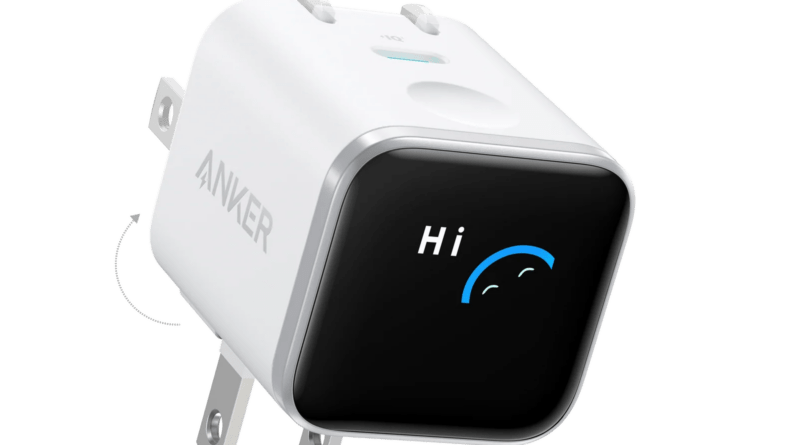
The Evolution of Charging Technology: Why the USB C Charger and Type C Charger Lead the Way
In today’s fast-paced digital environment, charging technology has become more than just a utility—it is an essential part of everyday life. From smartphones and tablets to laptops and gaming devices, modern electronics demand faster, safer, and more efficient power delivery systems. The rise of the USB C charger and the type C charger represents a major transformation in how devices receive power. These charging solutions are not only more powerful than older standards but also more versatile, offering a universal approach to connectivity and charging convenience.
As technology continues to evolve, users are increasingly replacing outdated USB-A chargers with advanced USB-C solutions. The shift is not just a trend; it is a global movement toward efficiency and compatibility. Understanding the role of USB-C technology helps consumers make informed decisions when upgrading their devices or charging setups.
What Makes a USB C Charger Different?
A USB C charger stands out because of its advanced connector design and enhanced power capabilities. Unlike previous USB versions, the USB-C connector is fully reversible. This means users no longer have to worry about plugging the cable in the wrong direction. The symmetrical design makes charging quick and hassle-free.
Beyond convenience, the real power of a USB C charger lies in its ability to deliver significantly higher wattage. With support for USB Power Delivery (USB PD), these chargers can power not only smartphones but also laptops, tablets, and other high-demand devices. Depending on the wattage rating, a single USB C charger can replace multiple traditional chargers, reducing clutter and improving efficiency.
Another major advantage is data transfer speed. USB-C technology supports faster data transmission compared to older USB standards. This allows users to transfer large files, videos, and backups much more quickly, making it ideal for professionals and content creators.
Understanding the Type C Charger Concept
The term type C charger is often used interchangeably with USB C charger, but it primarily refers to the physical connector type. The Type-C connector is small, compact, and highly adaptable. It is designed to handle power delivery, data transfer, and even video output through a single port.
This multi-function capability makes the type C charger extremely versatile. For example, many modern laptops now use USB-C ports for charging and display output. This means one cable can connect to a monitor, transfer files, and charge the device simultaneously. Such efficiency was not possible with earlier USB generations.
Type C chargers are now becoming standard in smartphones, wireless earbuds, power banks, gaming consoles, and even cameras. Governments and tech organizations in various regions are encouraging manufacturers to adopt USB-C as a universal charging standard, promoting environmental sustainability and reducing electronic waste.
Benefits of Using a USB C Charger
One of the most significant benefits of a USB C charger is fast charging capability. With higher power output and intelligent power management, devices charge much faster compared to older USB-A chargers. Many smartphones can reach 50% battery in under 30 minutes when paired with a compatible fast charger.
Safety is another key advantage. Modern USB C chargers include built-in protection against overheating, overcharging, short circuits, and voltage fluctuations. This ensures device longevity and battery health over time.
Portability also makes USB-C chargers appealing. A compact high-wattage charger can power multiple devices, eliminating the need to carry separate chargers for a phone, tablet, and laptop. For travelers and professionals, this simplifies packing and improves convenience.
Additionally, USB-C supports universal compatibility. Instead of maintaining multiple cables for different devices, users can rely on one standardized charging cable. This reduces cable confusion and promotes a streamlined digital setup.
Why Type C Charger is Becoming Universal
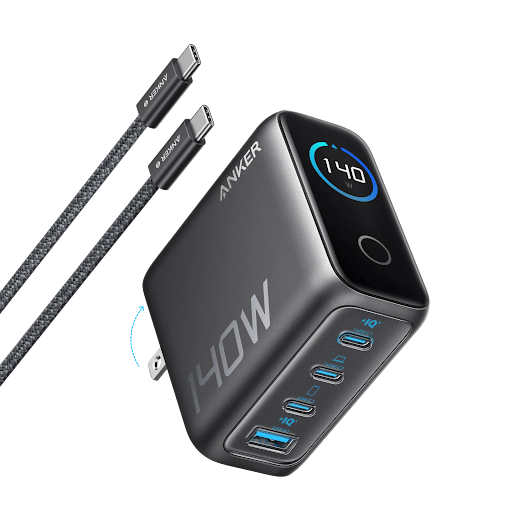
The widespread adoption of the type C charger is driven by its universal design. Major tech brands have transitioned to USB-C ports in their latest devices, signaling a clear industry direction. The universal nature of Type-C allows cross-device compatibility, meaning a single charger can support various brands and device categories.
This standardization helps reduce electronic waste. Instead of discarding old chargers when upgrading devices, users can continue using their existing USB-C cables and adapters. Environmental sustainability is becoming increasingly important, and Type-C technology supports this goal by reducing redundant accessories.
Moreover, Type-C connectors are built for durability. The design can withstand thousands of plug-in cycles, making it more reliable over time compared to older connectors that were prone to wear and damage.
Choosing the Right USB C Charger
Selecting the right USB C charger depends on power requirements. For smartphones and small devices, a 20W to 30W charger is typically sufficient. However, laptops may require 45W, 65W, or even 100W chargers. Always check the power rating of your device before purchasing a charger.
It is also important to ensure compatibility with USB Power Delivery (PD) or other fast-charging protocols supported by your device. Using certified and high-quality chargers ensures stable performance and prevents potential damage.
Cable quality matters as well. Even with a powerful USB C charger, a low-quality cable may limit charging speed or cause overheating. Investing in reliable, certified cables ensures maximum performance and safety.
Comparing USB C Charger with Older Charging Standards
Compared to older USB-A chargers, USB-C provides faster charging speeds, higher power capacity, and better efficiency. USB-A ports were limited in power delivery and often required separate connectors for different devices. USB-C simplifies this by offering a single, powerful solution.
Older charging standards also lacked universal design. Some devices required micro-USB, while others needed proprietary connectors. The type C charger eliminates this fragmentation by offering a standardized interface across various devices.
In terms of performance, USB-C supports advanced features such as high-speed data transfer, display connectivity, and bidirectional charging. This multifunctionality makes it superior to previous USB technologies.
The Future of USB C and Type C Charging
The future of charging technology is centered around USB-C. As more manufacturers adopt this standard, users can expect even faster charging speeds and improved energy efficiency. Innovations in GaN (Gallium Nitride) charger technology are making USB C chargers smaller yet more powerful.
Wireless charging continues to grow, but wired charging through USB-C remains the fastest and most reliable method. Many devices now integrate both wireless and USB-C options, providing users with flexible charging choices.
Over time, the type C charger is expected to become the universal charging standard worldwide. This will further simplify device compatibility and reduce the need for multiple charging accessories.
Conclusion
The USB C charger and type C charger have revolutionized the way we power our devices. With faster charging speeds, universal compatibility, enhanced safety features, and improved durability, they represent the future of charging technology. As more devices transition to USB-C ports, investing in a high-quality USB C charger ensures long-term convenience and performance. Whether for smartphones, tablets, or laptops, Type-C charging solutions provide the efficiency and flexibility modern users demand.