How to Plan and Build an Energy-Efficient Home
Constructing a new house offers a unique opportunity. You can integrate sustainable principles from the very beginning. This approach benefits both the environment and your future finances. A green build focuses on efficiency, materials, and long term thinking. Careful planning ensures your home is comfortable, cost effective, and kind to the planet. These tips will help guide your project towards a truly sustainable outcome.
Prioritise Energy Efficiency in the Design
Your home’s shape and orientation have a huge impact. Maximise southern exposure for natural light and passive solar gain. Incorporate superior insulation levels beyond standard building regulations. Select high performance windows and doors to minimise heat loss. An airtight construction strategy reduces drafts and energy demand. These fundamental choices lower heating costs for the building’s entire lifespan.
Integrate Renewable Energy Generation Early
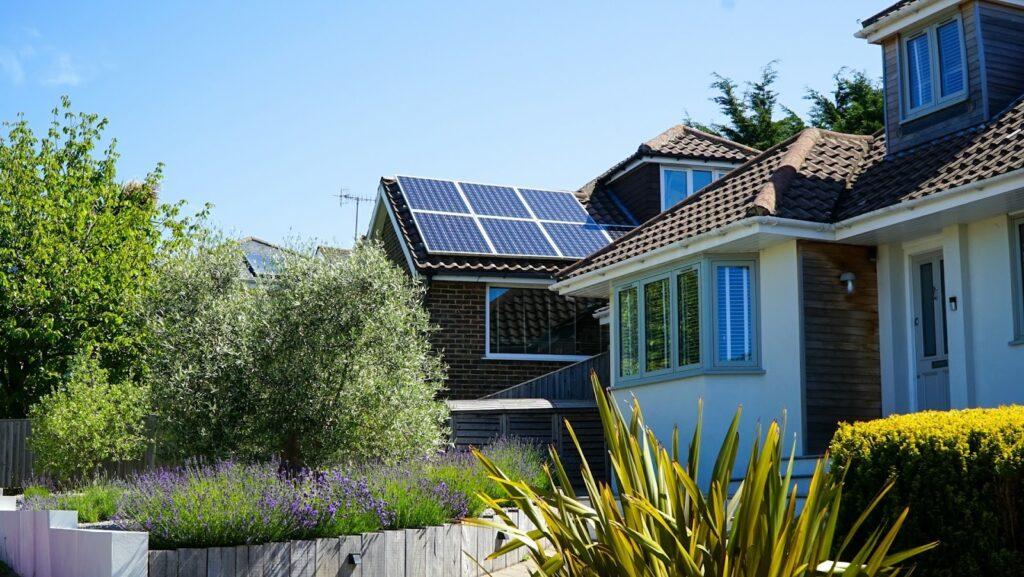
Plan for clean power production during the initial design phase. Roof pitch and area should be optimised for photovoltaic panels. Allocate space for inverter equipment and battery storage if desired. Include necessary conduit runs within the wall structure during construction. Incorporating a solar panel installation from the start is more efficient and less disruptive than a retrofit. Consult with a certified electrician early to integrate this system seamlessly into your overall electrical design.
Choose Sustainable and Local Materials
Consider the environmental cost of every building product. Source timber from certified, sustainably managed forests. Investigate modern insulation materials made from recycled content. Where possible, select locally manufactured items to reduce transport emissions. Reclaimed bricks, tiles, or flooring add character with a low carbon footprint. Your material choices define the project’s true ecological impact.
Plan for Water Conservation
Reduce mains water usage through intelligent design. Install rainwater harvesting systems for garden irrigation and toilet flushing. Specify water efficient fixtures and appliances throughout the house. Consider greywater recycling for additional savings. Landscaping with native, drought resistant plants lowers outdoor demand. These measures ease pressure on local resources and cut your bills.
Design for Natural Climate Control
Use the building itself to maintain a comfortable temperature. Strategic shading from eaves or brise soleil prevents summer overheating. Thermal mass materials inside, like a concrete floor, absorb daytime heat. They release it slowly during cooler evenings. Good cross ventilation reduces reliance on mechanical cooling. This passive design philosophy significantly reduces energy consumption.
Invest in Smart Heating and Ventilation
Select the most efficient heating system for your needs. Air source heat pumps are an excellent low carbon option. Underfloor heating often works well with heat pumps and solar power. A Mechanical Ventilation with Heat Recovery (MVHR) system is vital in an airtight home. It provides fresh air while capturing warmth from the outgoing stale air.
Future Proof Your Electrical System
Ensure your electrical infrastructure supports evolving technology. Install ample cabling for electric vehicle charging points. Provide a dedicated, weatherproof supply for a future heat pump. Include wiring for smart home energy management systems. A well planned consumer unit makes adding circuits simple later. This foresight prevents costly upgrades down the line.
Focus on Healthy Indoor Air Quality
A sustainable home is also a healthy one. Use paints, adhesives, and finishes with low VOC emissions. Ensure your ventilation strategy effectively removes indoor pollutants. Consider moisture resistant construction to prevent mould growth. Good daylight access boosts wellbeing and reduces reliance on artificial lighting.
Work with Like Minded Professionals
Assemble a design and build team that shares your sustainability goals. Choose an architect with proven experience in low energy projects. Select a builder who understands airtightness detailing and quality insulation. Hire specialist tradespeople, like electricians accredited for renewable system work. Their combined expertise is crucial for turning plans into a high performance reality.
Enjoying Your Efficient Home
A sustainable build requires more initial thought and investment. The long term rewards, however, are substantial. You will benefit from very low energy bills and a comfortable living environment. Your home will have a minimal carbon footprint and higher market value. Most importantly, you will create a lasting, responsible legacy. Begin your project with these principles for a home that truly works for the future.