Ultimate Guide to Crawlspace Encapsulation and Effective Moisture Management Strategies
Crawlspaces are often overlooked areas of a building, yet they play a crucial role in the overall structural integrity and indoor air quality of a property. Unmanaged crawlspaces can be breeding grounds for moisture, mold, pests, and structural deterioration. Moisture problems in crawlspaces can lead to serious damage to flooring, insulation, and the foundation itself. Addressing these issues proactively through crawlspace encapsulation is essential for maintaining a safe, healthy, and energy-efficient home.
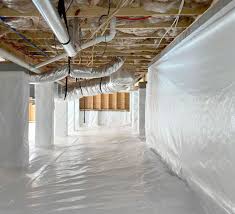
Crawlspace encapsulation is the process of sealing and protecting the crawlspace from moisture, air leaks, and pests. This process typically involves installing a vapor barrier over the soil, sealing vents and openings, insulating walls, and sometimes integrating drainage or sump systems. Encapsulation not only safeguards the structural components but also improves energy efficiency and indoor air quality, as air from the crawlspace often circulates throughout the home.
Understanding Crawlspace Moisture Problems
Moisture accumulation in crawlspaces is a common issue that can cause extensive damage if left untreated. Water can enter a crawlspace through several avenues, including poor drainage, high humidity, leaking pipes, and groundwater seepage. This moisture creates a conducive environment for mold and mildew growth, which can release spores into the home and trigger allergies, asthma, and other respiratory issues.
The soil beneath a crawlspace is naturally damp, but without proper management, the moisture migrates into the air and building materials. Wooden beams, subflooring, and insulation absorb this moisture over time, leading to rot, structural weakening, and deterioration of construction materials. Additionally, pests such as termites, rodents, and insects are attracted to damp environments, creating further health and safety hazards.
Properly addressing crawlspace moisture is not just about comfort it is a vital structural necessity. One key component of an effective crawlspace moisture management plan is the installation of a drainage system to redirect water away from the foundation. In many cases, homeowners are advised to install a sump pump to remove accumulated water and prevent flooding, ensuring the encapsulation system functions as intended.
Signs That Your Crawlspace Needs Encapsulation
Identifying the need for crawlspace encapsulation early can prevent significant damage and expense. Common indicators include musty odors, visible mold growth, water stains on floors or walls, and high indoor humidity levels. Warping or squeaking floors can also suggest that the crawlspace is compromised by moisture or structural issues. In some cases, pest infestations may indicate that the crawlspace environment is inviting to insects or rodents.
Other signs include condensation on pipes, ductwork, or support beams, which points to high humidity levels in the crawlspace. Over time, these conditions can contribute to deteriorating insulation, weakened floor joists, and a reduction in energy efficiency. Encapsulation addresses these problems comprehensively by sealing the crawlspace from outside moisture and creating a controlled environment that minimizes the risk of structural damage and indoor air contamination.
Methods and Materials Used in Crawlspace Encapsulation
Crawlspace encapsulation involves several materials and techniques designed to create a moisture barrier and protect the underlying structure. One of the most important components is the vapor barrier, usually made from thick polyethylene sheets, which cover the soil and sometimes the walls of the crawlspace. This barrier prevents moisture from rising into the crawlspace air and structural materials.
Sealing vents and openings is another critical step. Traditional crawlspaces often rely on ventilation to manage moisture, but modern research shows that vented crawlspaces can actually exacerbate moisture problems by allowing humid outdoor air in. Proper sealing, combined with a vapor barrier, creates a closed system that keeps the crawlspace dry and minimizes air infiltration.
Insulating crawlspace walls is also recommended to improve energy efficiency and maintain a stable indoor temperature. Spray foam, rigid foam panels, or batt insulation may be used depending on the specific needs of the property. In addition, drainage systems are often integrated into the encapsulation design to manage groundwater. In many cases, homeowners choose to install a sump pump as part of the drainage system to ensure any collected water is efficiently removed, preventing flooding and damage.
The Role of Sump Pumps in Crawlspace Encapsulation
Sump pumps play a critical role in effective crawlspace moisture management. Even with a well-installed vapor barrier and sealed crawlspace, water can still accumulate during heavy rain, snowmelt, or plumbing leaks. A sump pump actively removes this water, directing it away from the foundation and preventing hydrostatic pressure from building up against crawlspace walls.
When homeowners install a sump pump, they create a safeguard against flooding and water intrusion that complements the encapsulation system. A properly functioning sump pump ensures that the vapor barrier and drainage systems operate effectively, maintaining a dry environment in the crawlspace. Without this active water removal component, passive measures alone may not be sufficient to prevent water-related damage. Homeowners who choose to install a sump pump as part of their encapsulation strategy often experience fewer moisture-related problems and a longer-lasting protective solution.
In addition to moisture control, sump pumps can reduce the risk of mold, wood rot, and pest infestations. By keeping the crawlspace consistently dry, they contribute to healthier indoor air quality and a more durable structural environment. Sump pumps also provide peace of mind during seasonal storms or unexpected plumbing issues, ensuring that water does not compromise the integrity of the encapsulation system.
Benefits of Crawlspace Encapsulation
The benefits of crawlspace encapsulation extend far beyond moisture control. Encapsulation enhances energy efficiency by preventing cold, damp air from entering the home and by improving insulation performance. A sealed crawlspace reduces the workload on heating and cooling systems, lowering energy bills and creating a more comfortable living environment.
Encapsulation also protects the structural components of the home. By keeping the soil moisture contained and managing water intrusion, wooden beams, floor joists, and subflooring remain dry and durable. Mold, mildew, and pest infestations are significantly reduced, contributing to a healthier indoor environment. These benefits make crawlspace encapsulation a long-term investment in property maintenance and indoor air quality.
Additionally, encapsulated crawlspaces provide increased usability for homeowners. Dry, sealed spaces can serve as storage areas without the risk of water damage or pest intrusion. Homeowners who incorporate a sump pump as part of the system can confidently store valuable items without concern for flooding. Encapsulation transforms the crawlspace from a vulnerable and neglected area into a functional, protected space.
Maintenance Practices for Encapsulated Crawlspaces
Even after professional crawlspace encapsulation, ongoing maintenance is necessary to ensure long-term performance. Homeowners should regularly inspect the vapor barrier for tears, monitor sump pump operation, and check for signs of water intrusion or condensation. Cleaning the crawlspace periodically and removing debris helps maintain airflow and prevents pest infestations.
Monitoring indoor humidity levels is also important. Dehumidifiers may be integrated into the encapsulation system to further reduce moisture if necessary. Ensuring proper drainage around the foundation remains critical; gutters, downspouts, and grading should direct water away from the building. By combining these maintenance practices with the encapsulation system, including the sump pump, homeowners can protect their crawlspace for years to come.
Choosing the Right Professional for Crawlspace Encapsulation
Selecting a qualified professional is essential for effective crawlspace encapsulation. Contractors with experience in moisture control, foundation integrity, and ventilation systems provide the best results. A reputable professional conducts thorough inspections, recommends tailored solutions, and installs encapsulation systems that meet industry standards.
Transparent communication regarding materials, timelines, and pricing is also vital. Professionals should explain the role of sump pumps, vapor barriers, insulation, and drainage systems so that homeowners understand the entire encapsulation process. Attempting to encapsulate a crawlspace without expert guidance can result in incomplete protection, continued moisture problems, and potential damage to the home.
Long-Term Benefits of Proper Crawlspace Encapsulation
Properly executed crawlspace encapsulation offers long-term benefits that go beyond immediate moisture control. It preserves structural integrity, improves energy efficiency, enhances indoor air quality, and reduces pest and mold issues. Homeowners can enjoy peace of mind knowing their crawlspace is protected from water damage and environmental stressors.
Integrating a sump pump into the encapsulation system adds an extra layer of security, ensuring that even unexpected water accumulation does not compromise the integrity of the crawlspace. By taking a comprehensive approach, homeowners not only protect their property but also improve the overall health, comfort, and value of their home. Crawlspace encapsulation, combined with active water management strategies, represents a proactive investment in both structural longevity and living conditions.
Conclusion
Crawlspace encapsulation is a highly effective solution for addressing moisture, structural, and indoor air quality concerns in homes and buildings. Through vapor barriers, insulation, sealed vents, and drainage systems, encapsulation creates a controlled, dry environment that protects the foundation and structural components. Installing a sump pump within the system ensures efficient water removal, complementing the encapsulation measures and preventing flooding or hydrostatic pressure build-up.
Regular maintenance, professional installation, and proper water management practices maximize the benefits of crawlspace encapsulation. By proactively addressing moisture issues, homeowners safeguard their property, improve energy efficiency, and create a healthier indoor environment. Crawlspace encapsulation is not merely a repair or upgrade; it is a long-term investment in structural integrity, comfort, and peace of mind. For any property with a crawlspace, implementing a comprehensive encapsulation plan, including the installation of a sump pump, is a key step toward a safer, more durable, and healthier home.