Wellness on Demand: How Urban Lifestyles Are Redefining Self-Care
Urban life moves fast. Between demanding careers, packed social calendars, and constant stimulation, city dwellers often operate at a pace that leaves little room for traditional approaches to health and wellness. As a result, self-care in major cities is evolving — becoming more personalized, flexible, and seamlessly integrated into everyday life.
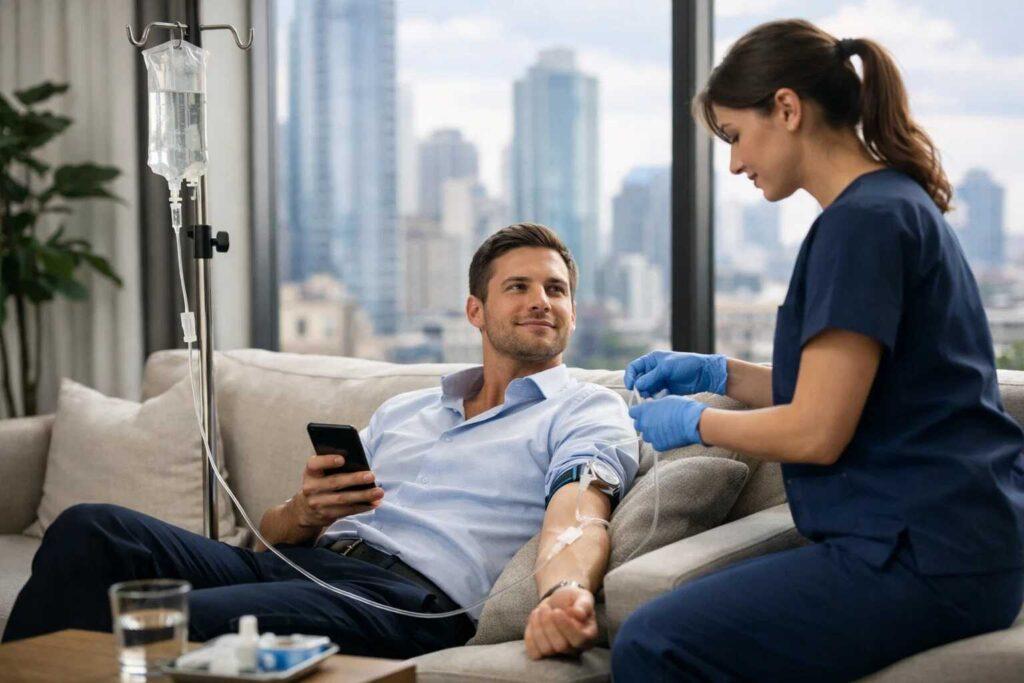
One of the most notable shifts in this space is the growing interest in on-demand wellness services, including mobile IV therapy. These services reflect how modern wellness is adapting to urban lifestyles that prioritize efficiency, discretion, and high standards.
The Changing Meaning of Wellness in Cities
In the past, wellness often meant carving out time for gyms, clinics, or destination experiences. While those options still play a role, they no longer align with the realities of city living for many professionals, creatives, and entrepreneurs.
Urban wellness today emphasizes:
- Time efficiency
- Accessibility
- Consistency over intensity
- Services that fit into existing routines
Rather than stepping away from daily life to focus on wellness, city residents increasingly prefer solutions that come to them.
Why Convenience Has Become Essential
In cities like New York, convenience is not a luxury — it is a necessity. Long commutes, crowded schedules, and limited downtime make it difficult to maintain consistent wellness routines.
On-demand wellness services address these challenges by:
- Eliminating travel and waiting times
- Offering flexible scheduling
- Providing services in private, familiar environments
- Reducing friction in wellness routines
This model mirrors how other premium services have evolved to meet the expectations of urban consumers.
Understanding Mobile IV Therapy in an Urban Context
Mobile IV therapy involves the delivery of intravenous hydration and nutrient support by licensed medical professionals outside traditional clinical settings. Treatments are administered following established protocols and begin with health screenings to ensure appropriateness.
Within urban wellness conversations, mobile IV therapy is often associated with:
- Hydration support during demanding workweeks
- Recovery after travel or late nights
- Wellness maintenance during high-stress periods
As awareness grows, more people are seeking credible information about how IV therapy works and what role it can play in wellness routines, helping them evaluate whether it aligns with their lifestyle.
Privacy, Professionalism, and Trust
Urban wellness consumers tend to be discerning. Privacy, professionalism, and credibility are essential when services move into personal spaces.
Reputable providers emphasize:
- Licensed medical administration
- Patient screening and safety protocols
- Clear communication around service scope and limitations
- Discreet, respectful delivery
Providers such as Pure IV operate within this framework, offering mobile IV therapy designed around professional oversight and standardized procedures. This structure allows wellness services to meet urban expectations without compromising safety.
Regional Lifestyle Patterns Influence Adoption
Although wellness trends may be discussed nationally, access to IV therapy remains highly local. Availability depends on state regulations, service coverage, and community demand.
In Utah, IV therapy services have expanded to meet regional wellness needs, allowing residents across the state to access hydration and recovery support without unnecessary travel. Providers such as Pure IV have developed statewide service models designed to align with local regulations and lifestyle patterns.
At the community level, availability in areas like Salt Lake City ensures IV therapy services fit seamlessly into local routines, supporting residents who value convenience, accessibility, and professional oversight.
Wellness as a Cultural Shift, Not a Trend
The rise of on-demand wellness services represents more than a passing trend. It reflects a cultural shift toward proactive, preventive self-care — especially in urban environments where burnout and fatigue are increasingly common.
Rather than reacting to exhaustion, many individuals are:
- Building recovery into weekly routines
- Prioritizing hydration and balance
- Seeking wellness solutions that reduce stress rather than add to it
This mindset aligns with broader cultural conversations around sustainability, longevity, and quality of life.
The Role of Education in Modern Wellness Choices
With more wellness options available than ever, education plays a critical role in decision-making. Urban consumers often seek well-researched, clearly explained information before adopting new services.
Lifestyle and wellness resources that explore modern wellness trends supporting high-performance lifestyles help individuals contextualize services like mobile IV therapy within a broader framework of self-care.
Education fosters confidence and encourages thoughtful engagement rather than impulse-driven adoption.
Integrating Wellness Into City Life
On-demand wellness services are not designed to replace traditional healthcare or established wellness experiences. Instead, they complement existing options by offering flexibility where it is most needed.
For city residents, this means:
- Maintaining wellness routines during busy periods
- Accessing recovery support without disruption
- Adapting self-care practices to evolving schedules
This integration makes wellness more sustainable over time.
Final Thoughts
Urban wellness is being redefined by accessibility, personalization, and efficiency. As city lifestyles continue to evolve, on-demand wellness services offer a way to support health without slowing down.
By combining professional oversight with convenience and discretion, services like mobile IV therapy reflect how modern self-care is adapting to the rhythm of city life — not as an indulgence, but as a practical investment in long-term well-being.