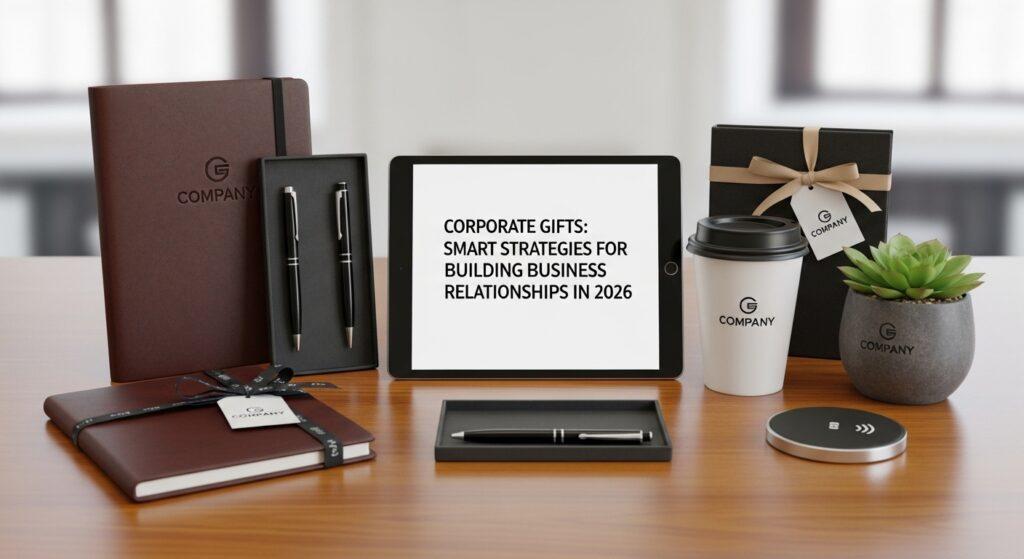
Corporate Gifts: Smart Strategies for Building Business Relationships in 2026
Corporate gifting has transformed dramatically. What used to be simple branded mugs and pens has evolved into a strategic business tool worth over $900 billion globally. In 2026, companies are rethinking how they show appreciation to employees, clients, and partners. Smart gifting now drives retention, strengthens loyalty, and creates memorable brand experiences.
Why Corporate Gifts Matter More Than Ever
The workplace has changed. With hybrid teams, remote employees, and global partnerships, meaningful connections require intentional effort. Corporate gifts bridge physical distances and create emotional bonds that emails simply cannot.
Recent data reveals impressive results: 82% of gift recipients feel more positive about companies after receiving thoughtful gifts. Even more striking, strategic corporate gifting increases client retention by 43%. These aren’t just nice gestures—they’re measurable business investments.
Modern gifting addresses a critical challenge: making people feel valued in an increasingly digital world. When chosen thoughtfully, corporate gifts demonstrate genuine appreciation and keep your company memorable long after the package arrives.
Top Corporate Gift Trends Defining 2026
Experiences Over Objects
The biggest shift in 2026 is moving from physical items to memorable experiences. Companies are redirecting budgets from branded swag toward interactive moments that create lasting connections. Trade show teams investing $50,000 now choose booth activities that spark conversations. HR departments allocate $30,000 toward team-building experiences rather than desk accessories.
Why the change? Physical gifts often get forgotten or discarded, regardless of price. A $500 gadget creates temporary excitement, but a shared experience builds relationships. Millennials and Gen Z, who now comprise over 70% of the workforce globally, overwhelmingly prefer experiences that align with their values and create stories worth sharing.
Popular experience gifts include cooking classes and culinary workshops, adventure activities like escape rooms or outdoor excursions, spa packages and wellness retreats, concert tickets and entertainment events, and virtual team-building for remote workers.
Sustainability as Standard
Environmental responsibility isn’t optional anymore—it’s expected. In 2026, 68% of business buyers require biodegradable or recyclable components in corporate gifts. Companies align gifting with ESG goals, choosing items that reflect environmental stewardship.
Sustainable gifts gaining traction include products made from recycled materials like reclaimed plastics and textiles, reusable items such as refillable water bottles and lunch containers, plant-based gifts including succulents and herb-growing kits, bamboo office accessories and desk organizers, and gifts with minimal or compostable packaging.
Smart companies go beyond the product itself. They choose vendors with transparent sourcing practices, carbon-neutral shipping options, and take-back programs for end-of-life recycling. These choices demonstrate values while appealing to environmentally conscious recipients.
Personalization Through Data
Generic gifts no longer make meaningful impressions. In 2026, artificial intelligence and data analytics enable personalization at scale. Companies segment recipients into groups—tech enthusiasts, wellness advocates, travelers—and curate gift collections matching these profiles.
Advanced platforms now integrate with HR systems and CRM tools, automatically triggering gifts for birthdays, work anniversaries, and project milestones. AI-driven design tools enable real-time logo integration and customized messaging that feels genuinely personal rather than mass-produced.
Effective personalization strategies include engraved items with individual names or initials, choice programs allowing recipients to select preferred gifts, handwritten notes referencing specific achievements, curated gift boxes based on recipient interests, and monogrammed premium items for executive-level recognition.
Tech-Integrated Smart Gifts
Technology continues dominating corporate gift preferences. Bluetooth-enabled products lead choices—wireless earbuds, portable speakers, and power banks remain highly popular for hybrid workers needing quality accessories anywhere.
The 2026 innovation involves “phygital” gifts—physical items with digital interaction. Products now feature embedded NFC chips or QR codes linking to digital content, personalized video messages, or exclusive experiences. A branded notebook might unlock access to masterclasses, or a desk accessory could connect to productivity apps.
Trending tech gifts include AI-integrated fitness wearables tracking health metrics, wireless charging stations for multiple devices, smart home gadgets like voice assistants and smart plugs, premium computer accessories including mechanical keyboards, and noise-canceling headphones for focused work environments.
Wellness and Mental Health Support
Employee wellbeing dominates corporate priorities. Gifts promoting mental calm and mindfulness are particularly valued in 2026’s fast-paced work culture. Companies recognize that supporting health creates loyalty and reduces burnout.
Wellness gifts gaining popularity include meditation app subscriptions and digital wellness platforms, aromatherapy sets with essential oils and diffusers, premium yoga mats and resistance bands, healthy snack subscriptions featuring nutritious options, and spa packages promoting self-care and relaxation.
These gifts demonstrate that companies view employees as whole people, not just workers. The investment in wellbeing pays dividends through improved morale, reduced sick days, and stronger organizational culture.
Quiet Luxury and Subtle Branding
Bold logos are out. In 2026, sophisticated gifting means subtle branding—small embossed logos, discreet typography, or just brand color hints. The goal is creating items recipients genuinely love using, not walking advertisements.
This “quiet luxury” approach focuses on premium quality and elegant design. Recipients appreciate beautiful objects that happen to come from your company, rather than promotional items screaming brand messages. A leather journal with a tasteful embossed logo feels more valuable than a cheaper notebook covered in printed advertising.
Local and Artisanal Products
Supporting local economies has become a corporate value. Companies increasingly choose regional artisans and small businesses for gift sourcing. This trend reflects growing appreciation for craftsmanship while reducing dependence on international supply chains.
Local gifting resonates particularly well with employees valuing community support and authentic stories. Gifts from local makers often include unique touches and superior quality compared to mass-produced alternatives.
Smart Corporate Gifting Strategies
Set Clear Objectives
Successful programs start with defined goals. Are you boosting employee retention? Strengthening client relationships? Supporting company culture? Clear objectives guide gift selection and help measure program effectiveness.
Budget Strategically
Quality trumps quantity in 2026. One high-quality, memorable gift creates more impact than several forgettable items. Allocate budgets based on recipient tiers while maintaining consistent quality standards across all levels.
Automate Smart Timing
Technology makes timing effortless. Automated platforms track important dates and trigger gifts without manual intervention. This ensures no milestone gets missed while reducing administrative burden.
Offer Choice When Possible
Allowing recipients to choose from curated selections increases satisfaction dramatically. Choice programs respect individual preferences while maintaining brand alignment and budget control.
Measure and Optimize
Track redemption rates, engagement metrics, and retention data. Conduct recipient surveys measuring satisfaction. Analyze which gifts create strongest responses and adjust future programs accordingly.
Avoiding Common Mistakes
Even with good intentions, corporate gifting can miss the mark. Skip these pitfalls: choosing cheap items that break quickly, ignoring recipient preferences and interests, poor timing with late deliveries, excessive branding that feels promotional, cultural insensitivity in global programs, failing to include personalized messages, and forgetting follow-up to confirm receipt.
Looking Forward
Corporate gifting in 2026 reflects broader workplace evolution. As teams become more distributed and work-life boundaries blur, thoughtful gifts create touchpoints that reinforce human connection. Companies investing in strategic, personalized, and sustainable gifting programs build stronger relationships that drive long-term success.
The most effective programs blend technology with genuine thoughtfulness. They use data for personalization while maintaining authentic appreciation. They embrace sustainability without sacrificing quality. They offer experiences alongside tangible items, recognizing that different people value different expressions of gratitude.
Corporate gifts are no longer about checking boxes or maintaining traditions. They’re strategic investments in the relationships powering business success. When approached thoughtfully, corporate gifting strengthens company culture, deepens client loyalty, and creates the meaningful moments that people remember long after the gift arrives.