How to Buy Furniture in Foshan While Traveling in China
With China opening up its visa-free policy, more and more people are adding China to their travel plans. As an Australian, I often buy decorative items from China to improve the look of my home. That gave me a bold idea: could I buy furniture for my Airbnb project while travelling in China?
This question kept bothering me. In Sydney, I was always looking for affordable furniture for my project, but I didn’t want to sacrifice quality. I follow the furniture industry closely and knew there is a city in China called Foshan, known as the “Furniture Capital of China.” So I decided to make Foshan one of the key stops on my trip.
1. How to Find Reliable Furniture Suppliers in Foshan?
At the beginning, I tried to find reliable furniture suppliers on TikTok, but it wasn’t easy. I needed someone who really understood furniture, could give honest advice, and offered the furniture styles I was looking for. Ideally, they could also take me to visit many showrooms and factories, because I knew I probably wouldn’t buy everything from just one place.
In the end, I decided to search on Google for “Foshan furniture market“. I felt that if a company truly understood the Foshan furniture market, it was more likely to be a reliable supplier. That’s how I found HomeBridge Furniture on Google.
2. How to Organize Your Travel in China?
China offers Australians a 14-day visa-free stay. So in the first 10 days, I travelled to Beijing, Shanghai, and Chongqing. At the end of the trip, I flew to Foshan.
I planned to spend 4 days in Foshan. If that wasn’t enough time to choose all the furniture I wanted, Foshan is close to Hong Kong. I could travel to Hong Kong and then re-enter mainland China to reset the 14-day visa-free stay. It’s a small trick to stay in China a bit longer.
3. How to Buy Furniture in Foshan?
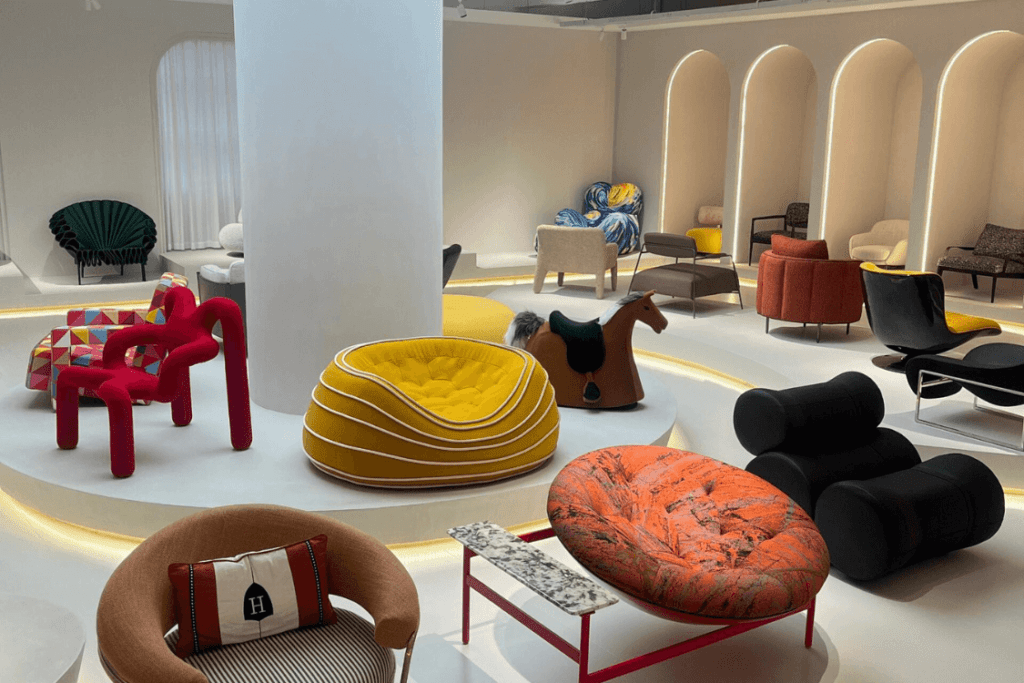
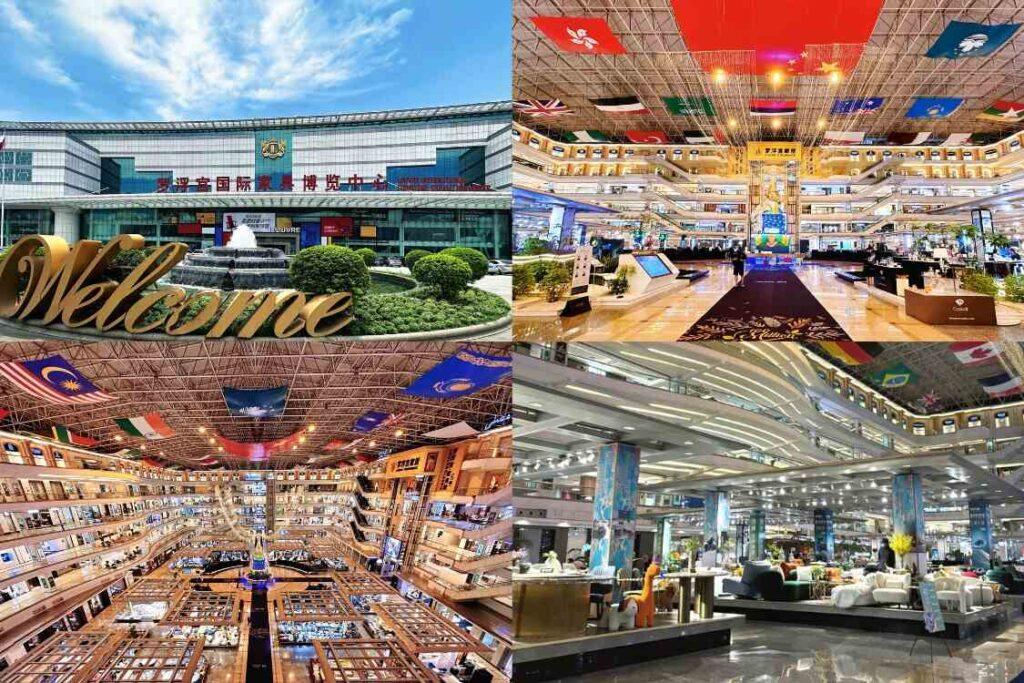
Before the trip, I looked at shenzhen hotel deals and booked a Sofitel hotel near the Louvre Furniture Mall on Agoda. The Louvre Furniture Mall is the most expensive furniture market in Foshan, and staying at Sofitel made it easy for me to travel to any furniture market in the city. I arrived at the hotel on the first night, and on the morning of the third day, I officially started my Foshan furniture trip. HomeBridge’s personal manager picked me up at the hotel, and because we had already communicated in advance, my furniture schedule was well planned.
Day 1 of My Foshan Furniture Tour
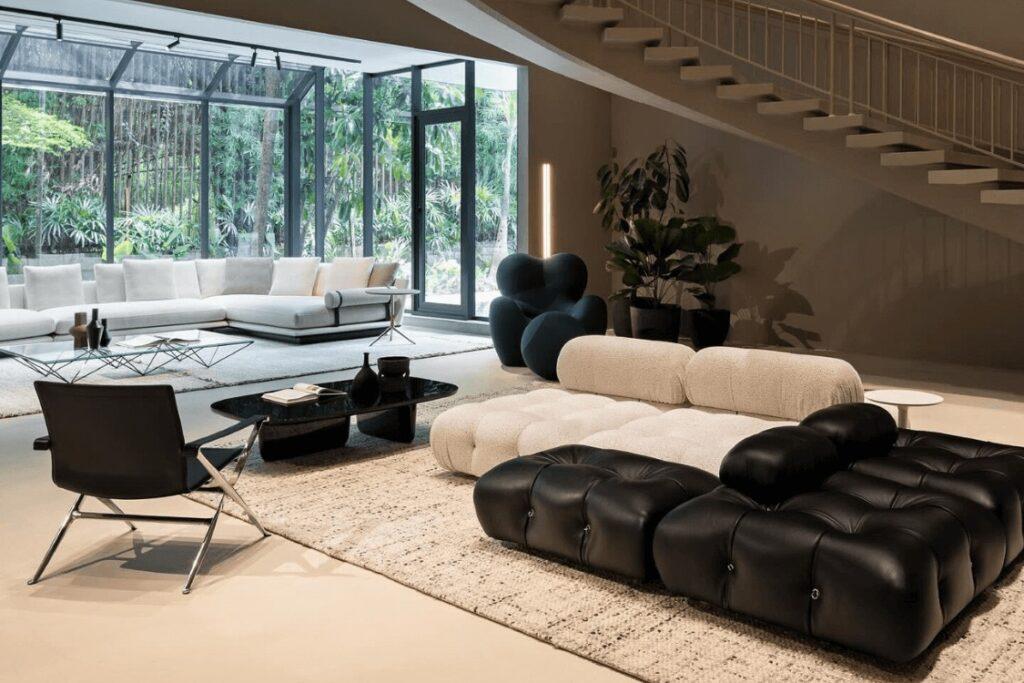
On the first day of my Foshan furniture journey, I visited four Italian-style furniture showrooms and factories. In the morning, I went to the first showroom and saw luxury sofas and handmade leather chairs. The quality was solid, but the prices were not very attractive. So my personal manager made a quick change to the plan and took me to another showroom. There, I saw luxury Italian-style dining tables made with natural marble, priced at only one-third of what I would pay in Australia. I was very happy with that.
After that, I visited several factories to see the production process and understand the differences in materials. Being able to see the factories that would make my furniture in the future made me feel confident and secure. I had actually arrived in Foshan earlier, but the furniture market was much bigger than I expected. Even though I did a lot of research, I still needed someone reliable to guide me to showrooms and factories that are not usually open to the public.
Day 2 of My Foshan Furniture Tour
On the second day of my Foshan furniture journey, I focused on Japanese-style furniture. I visited three Japanese furniture showrooms because I was choosing furniture for my Airbnb. Compared to designs that look good but don’t last, I care more about long-term comfort, strength, and everyday use. Japanese furniture in Foshan felt very straightforward to me. It doesn’t chase complex shapes. Instead, it focuses on solid wood structure, good proportions, and how it feels to use. This kind of furniture suits Airbnb well because it doesn’t go out of style easily and can handle heavy use.
Each of the three showrooms had a different style. Some were more practical and durable, some added a modern touch to the Japanese style, and others stood out in details and seating comfort. This day made me realise that furniture for Airbnb doesn’t need to be the most expensive. It needs to survive frequent use, cleaning, and changing guests. Even with the same Japanese style, what really makes the difference is never the look, but the small details that decide comfort and lifespan.
The Final Day of My Furniture Tour
On the final day, I didn’t visit any more furniture showrooms. Instead, I went to HomeBridge’s head office in Shenzhen. After seeing so many showrooms, samples, and layout ideas in Foshan over the past two days, I already had a very clear idea of what my Airbnb needed—how to balance design, durability, cost control, and guest experience.
At the HomeBridge office, we confirmed every detail of the furniture plan. We decided which areas needed more durable materials, where fabrics and colours could improve the overall feel, which pieces looked good but didn’t suit short-term rentals, and which ones worked best for high occupancy, low maintenance, and stable guest feedback. These decisions weren’t made on the spot—they were based on days of sitting, touching, comparing, and testing. That’s why the whole process was smooth and confident. By coincidence, I was flying back to Australia from Hong Kong the next day, and leaving from Shenzhen was perfect in both timing and route.
Conclusion
Before coming to Foshan, I had many doubts. Was it worth it? Would it be too much trouble? Could I really find furniture suitable for an Airbnb? But when the journey ended, I realised these questions no longer needed answers—because I had seen it myself, touched it myself, and experienced it myself.
Foshan didn’t push me into impulse buying. Instead, it made me more clear-headed. Which furniture works for long-term use, and which only looks good in photos. Which designs will feel outdated in a few years, and which will stay timeless. These are things you can only truly understand by visiting real showrooms and factories.
For me, the value of this trip was clear. Compared to buying locally, I saved around 40%, and at the same time, I got furniture I genuinely loved. It wasn’t just cheaper—it was truly worth it.