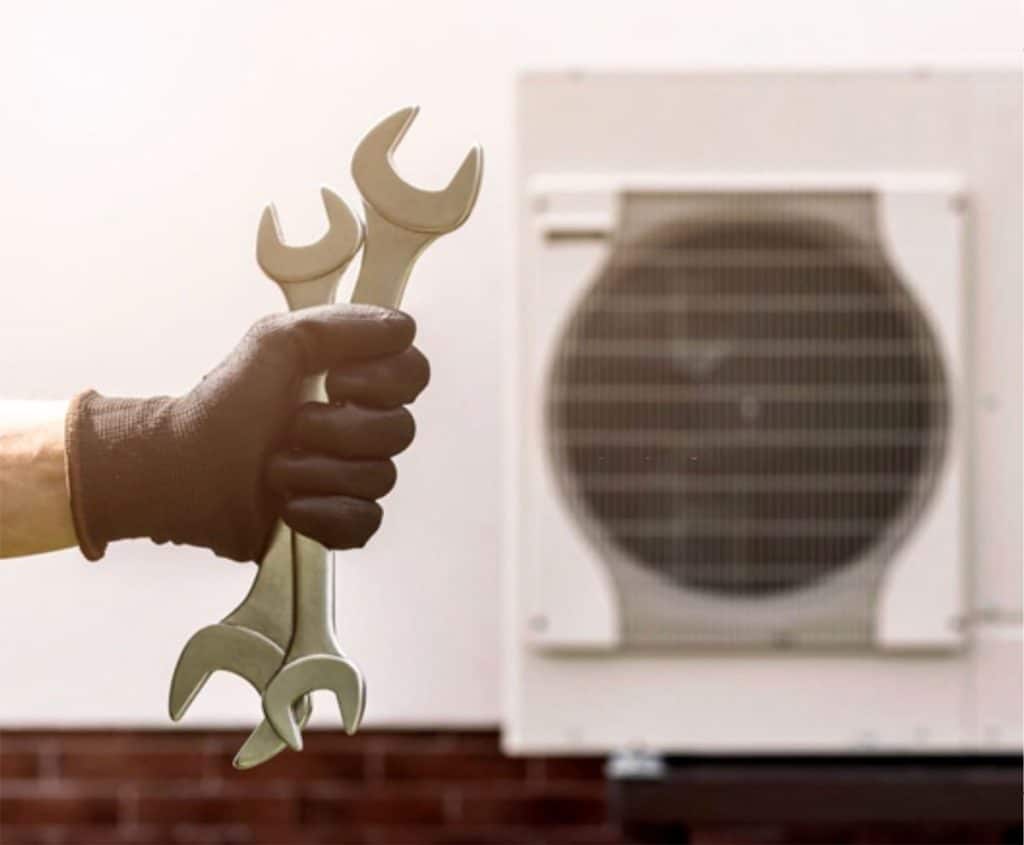
What Are the Most Common Heat Pump Problems and Fixes?
Heat pumps are popular for their energy efficiency and ability to heat and cool a home with one system, but like any HVAC equipment, they are not immune to issues. Understanding common heat pump problems can help homeowners spot trouble early, avoid costly breakdowns, and know when to call a professional. Below, we break down the most frequent heat pump problems, what causes them, and how they are typically fixed so you can keep your system running smoothly year-round.
Heat Pump Not Heating or Cooling Properly
One of the most common heat pump problems homeowners notice is poor heating or cooling performance. The system may run but fail to keep the home comfortable. This issue is often caused by incorrect thermostat settings, dirty air filters, or blocked airflow from vents. In some cases, it can also be related to low refrigerant levels or an improperly sized system.
The first fix is to check the thermostat to make sure it is set to the correct mode and temperature. Replacing or cleaning air filters every one to three months can also restore proper airflow. If those steps do not solve the problem, a professional technician may need to inspect the refrigerant charge or evaluate whether the system is properly sized for the home.
Heat Pump Runs Constantly
A heat pump that seems to run all the time can drive up energy bills and put unnecessary wear on the system. While heat pumps do run longer cycles than traditional furnaces, nonstop operation usually signals a problem. Common causes include poor insulation, extreme outdoor temperatures, dirty coils, or a malfunctioning thermostat.
Fixes often start with basic maintenance like cleaning outdoor and indoor coils and replacing filters. Improving home insulation and sealing air leaks can also reduce the load on the system. If the issue persists, a technician may need to recalibrate or replace the thermostat or inspect the system for mechanical faults.
Frozen Outdoor Unit or Coils
Ice buildup on the outdoor unit is another issue frequently seen in common heat pump problems lists. While some frost is normal in cold weather, thick ice that does not melt can indicate trouble. Causes include restricted airflow, low refrigerant, or a faulty defrost cycle.
Homeowners can check for blocked vents, snow buildup, or dirty filters and clear them safely. If ice continues to form, the defrost system may not be working correctly, or refrigerant levels may be too low. These repairs require professional service to prevent further damage.
Heat Pump Making Strange Noises
Unusual sounds such as grinding, rattling, buzzing, or squealing are warning signs that should not be ignored. Different noises can point to different problems. Rattling may mean loose panels or debris inside the unit. Grinding or squealing can signal motor or bearing issues. Buzzing may be electrical in nature.
Some fixes are simple, like tightening screws or removing debris around the outdoor unit. However, persistent or loud noises usually require a technician to inspect moving parts, electrical connections, and motors before a minor issue turns into a major repair.
Heat Pump Short Cycling
Short cycling happens when a heat pump turns on and off frequently without completing a full heating or cooling cycle. This is one of the common heat pump problems that can significantly reduce efficiency and increase wear. Causes include clogged air filters, thermostat placement issues, refrigerant problems, or an oversized system.
Replacing filters and checking thermostat placement are good first steps. If the thermostat is too close to a heat source, it may shut the system off prematurely. More complex causes like refrigerant imbalance or system sizing require professional diagnosis and correction.
Heat Pump Blowing Cold Air in Heating Mode
In heating mode, a heat pump may sometimes blow air that feels cool even though it is technically warm. However, truly cold air can indicate a problem. Common reasons include incorrect thermostat settings, a malfunctioning reversing valve, or issues during the defrost cycle.
Checking that the thermostat is set to heat and not emergency or auxiliary mode is an easy fix. If settings are correct and the problem continues, a technician may need to inspect the reversing valve or control board to restore proper operation.
Rising Energy Bills Without Clear Cause
A sudden increase in energy costs can be one of the more frustrating common heat pump problems because it is not always obvious. Dirty filters, failing components, duct leaks, or an aging system can all reduce efficiency and increase power usage.
Routine maintenance is often the solution. Replacing filters, sealing ducts, and scheduling annual professional tune-ups can restore efficiency. If the heat pump is more than ten to fifteen years old, it may simply be losing efficiency due to age, and replacement could be more cost-effective in the long run.
Heat Pump Will Not Turn On
When a heat pump fails to turn on at all, the problem may be electrical. Tripped circuit breakers, blown fuses, or a faulty thermostat are common culprits. In some cases, the issue could also be a failed capacitor or control board.
Homeowners can safely check the thermostat batteries and circuit breaker first. If power appears normal and the system still will not start, it is best to call a professional since electrical repairs can be hazardous without proper training.
Water Leaks Around the Heat Pump
Water pooling around the indoor unit is another problem homeowners encounter. This is often caused by a clogged condensate drain line, frozen coils, or improper installation. Left untreated, leaks can lead to water damage and mold growth.
Clearing the drain line with a wet/dry vacuum can sometimes resolve the issue. If leaks continue, a technician should inspect the system for frozen components or drainage issues and correct them to prevent further damage.
When to Call a Professional for Heat Pump Repairs
While some common heat pump problems can be resolved with simple maintenance, many issues require professional expertise. Refrigerant handling, electrical repairs, and internal component replacements should always be done by licensed HVAC technicians. Regular maintenance appointments can catch small problems early, extend system lifespan, and improve efficiency.
Preventing Common Heat Pump Problems
Prevention is often the best fix. Scheduling annual maintenance, changing filters regularly, keeping outdoor units clear of debris, and monitoring system performance can help reduce the likelihood of breakdowns. By staying proactive, homeowners can avoid many common heat pump problems and enjoy reliable comfort throughout the year.
Understanding what can go wrong with a heat pump and how issues are typically fixed empowers homeowners to take better care of their systems. With timely maintenance and professional support when needed, a heat pump can remain an efficient and dependable solution for home heating and cooling for many years.