Prepared for Anywhere: How Modern Travellers Approach Safety in Remote Terrain
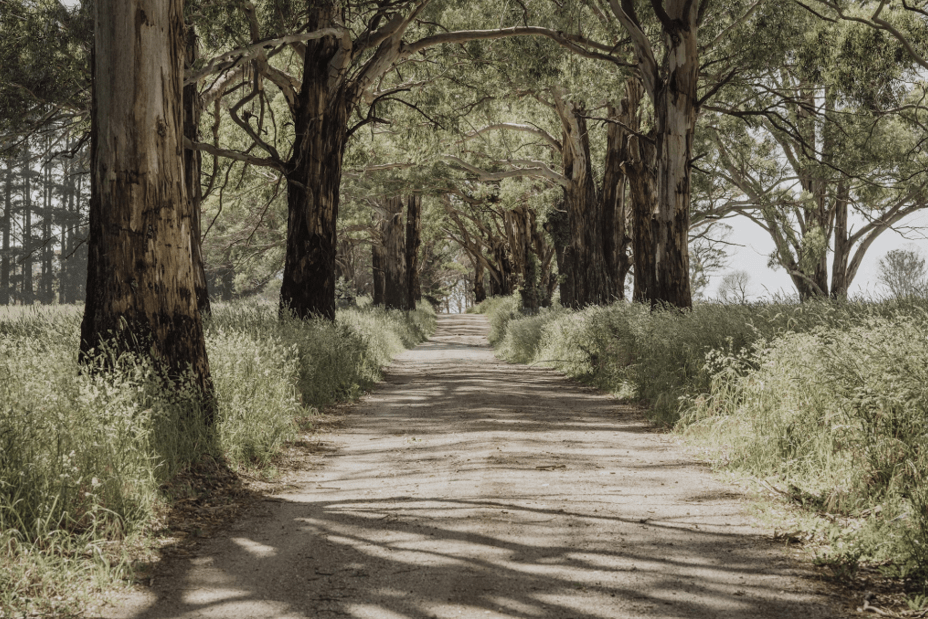
There is a moment on every remote journey when the signal drops. The map application freezes. The last petrol station sits an hour behind. Ahead lies nothing but open road and the landscape that drew you there in the first place.
For a growing community of long-distance travellers, that moment represents something more than isolation. It represents the boundary between casual driving and genuine expedition. What separates a comfortable experience from a dangerous one is rarely the vehicle itself. It is the preparation behind it.
Modern overland travel has evolved far beyond simply owning a capable four-wheel drive. The culture surrounding remote exploration now emphasises systems thinking, redundancy planning and self-sufficiency in ways that mirror professional expedition standards.
Understanding this evolution reveals something broader about how contemporary travellers relate to risk, independence and the natural environments they seek.
The new language of vehicle preparation
A decade ago, preparing a vehicle for remote travel meant checking tyre pressure, packing a spare and filling a jerry can. Those basics still matter. But the conversation has expanded considerably.
Today’s overland community discusses electrical systems with the same fluency that previous generations reserved for engine mechanics. Dual-battery setups, solar charging configurations and lithium power management have become standard topics in forums and social groups dedicated to remote travel.
This shift reflects how modern travel depends on technology even in places designed to feel disconnected. Navigation devices, satellite communicators, refrigeration units and lighting systems all require reliable power far from mains electricity.
The vehicle has become more than transport. It functions as a mobile base camp that must sustain its occupants across days or weeks without external support.
Why self-sufficiency has become essential
Remote travel inherently involves accepting distance from help. Breakdowns, weather changes and route closures happen regardless of preparation. What changes with proper planning is the consequence of these events.
A flat battery in a suburban car park is an inconvenience. A flat battery 300 kilometres from the nearest town is a potential emergency. The difference in outcome depends entirely on whether the traveller anticipated the scenario and prepared accordingly.
This reality has driven demand for equipment that functions reliably in extreme conditions. Heat, dust, vibration and moisture test every component in ways that suburban driving never does.
Travellers who take remote journeys seriously invest in gear rated for conditions far beyond what they expect to encounter. The margin between expected and extreme is where safety lives.
Power as the foundation of remote safety
Electrical independence has emerged as the single most important factor in remote travel safety and comfort.
Communication devices need charging. Navigation requires consistent power. Medical equipment, water purification systems and emergency lighting all depend on reliable electrical supply.
Beyond safety, power determines quality of life on extended journeys. Running a portable fridge preserves food and medication. Lighting extends usable hours at camp. Charging stations keep devices functional without rationing.
The technology available to individual travellers has improved dramatically. Lithium battery systems offer energy density and cycle life that lead-acid alternatives cannot match. Portable solar panels generate meaningful charge even in overcast conditions. Power stations with multiple output types support diverse equipment simultaneously.
Australian travellers navigating the country’s vast interior have been at the forefront of this equipment evolution. The distances involved and the harshness of the environment demand solutions that work without compromise.
Specialists like Outback SafeTrack have built their focus around equipping travellers with portable power, solar and battery systems designed specifically for off-grid reliability. Their approach reflects a broader industry shift toward treating power independence as a safety fundamental rather than a comfort luxury.
Planning routes with honesty
Equipment matters enormously. But the decisions made before leaving home matter just as much.
Route planning for remote travel requires honest assessment of both vehicle capability and driver experience. Tracks rated for high-clearance vehicles demand exactly that. Attempting them in unsuitable vehicles creates risks that no amount of equipment can mitigate.
Water crossings deserve particular respect. Depth, current and bottom conditions change with weather. A crossing that was safe last month may be impassable today. Experienced remote travellers check conditions through local ranger stations and community reports rather than relying solely on published guides.
Fuel range calculations must account for increased consumption on rough terrain. Soft sand, steep grades and slow speeds all increase fuel use significantly compared to highway estimates. Carrying additional fuel and calculating range conservatively prevents situations where poor planning becomes a rescue requirement.
Communication plans round out responsible route preparation. Satellite communicators, personal locator beacons and pre-arranged check-in schedules ensure that someone knows where you are and when to expect contact.
The weight of water and the value of shade
Survival priorities in remote environments follow a hierarchy that experienced travellers understand instinctively.
Water requirements increase substantially in hot climates. The standard recommendation of carrying significantly more water than expected consumption accounts for delays, detours and the possibility of becoming stationary longer than planned.
Shade and shelter affect how quickly water supplies deplete. Vehicles with awning systems or travellers carrying portable shelter can rest comfortably during the hottest hours rather than pushing through conditions that accelerate dehydration.
These considerations influence vehicle setup decisions in practical ways. Roof rack configurations must balance equipment access with awning attachment points. Interior storage must accommodate water containers without sacrificing sleeping arrangements.
The best vehicle setups reflect an understanding that comfort and safety are not separate categories in remote environments. Comfort measures reduce physical stress. Reduced physical stress preserves decision-making ability. Clear thinking prevents the compounding errors that turn manageable situations into emergencies.
Recovery gear and knowing when to stop
Even well-prepared vehicles get stuck. Sand, mud and river crossings challenge every level of equipment and experience.
Recovery gear represents insurance against immobility. Snatch straps, recovery boards, a high-lift jack and a reliable air compressor form the basic recovery kit that experienced travellers carry regardless of expected conditions.
Knowing how to use this equipment matters more than owning it. Recovery operations conducted incorrectly create serious injury risks. Snatch straps under tension store enormous energy. Jacks on unstable ground can collapse unpredictably.
Perhaps more importantly, experienced travellers know when to stop attempting recovery and call for help instead. The ego-driven impulse to push through can transform a simple bogging into a vehicle-damaging situation that multiplies cost and risk.
Patience is underrated as a safety tool. Waiting for conditions to change, for assistance to arrive or for cooler temperatures to make physical work safer reflects maturity rather than weakness.
Travelling with others versus solo exploration
The choice between group travel and solo journeys carries significant safety implications in remote environments.
Group travel provides redundancy. Multiple vehicles mean recovery assistance is immediately available. Additional people share driving, navigation and camp responsibilities. Medical emergencies can be managed more effectively with more hands and more resources.
Solo travel appeals to those seeking solitude and complete independence. It requires higher levels of preparation and self-reliance. Every system needs a backup because no companion vehicle will appear over the next ridge.
Both approaches are valid when matched with appropriate preparation. Problems arise when solo travellers prepare as though they have group support or when group travellers assume others will handle responsibilities they have neglected.
Respecting the environment that draws you
Remote travel exists because wild places remain. Preserving those places ensures that future travellers inherit the same opportunities.
Responsible remote travellers follow established tracks rather than creating new ones. They carry waste out completely. They observe fire restrictions without exception. They minimise impact on waterways and vegetation.
This ethic connects to the broader culture of preparation. Travellers who invest seriously in equipping themselves tend to invest equally in protecting the landscapes they explore. The respect runs in both directions.
The quiet confidence of preparation
There is a particular calm that comes from knowing your vehicle and equipment are ready for whatever conditions present.
It is not arrogance. It is the opposite. Thorough preparation acknowledges that remote environments are powerful and unpredictable. It respects the landscape enough to take it seriously.
That calm allows travellers to actually enjoy the places they have worked so hard to reach. Instead of worrying about battery levels and fuel range, they watch light move across mountain ranges. Instead of rationing water, they brew tea at sunrise and sit in silence.
Preparation does not eliminate adventure. It creates the conditions where adventure can be experienced rather than survived.
The best remote journeys end quietly. The vehicle performed. The equipment held. The planning proved sufficient. And somewhere in the memory of those who made the trip sits a landscape that no photograph quite captures but that no amount of time entirely erases.
That is the reward for taking preparation seriously. Not the gear itself, but what the gear makes possible.