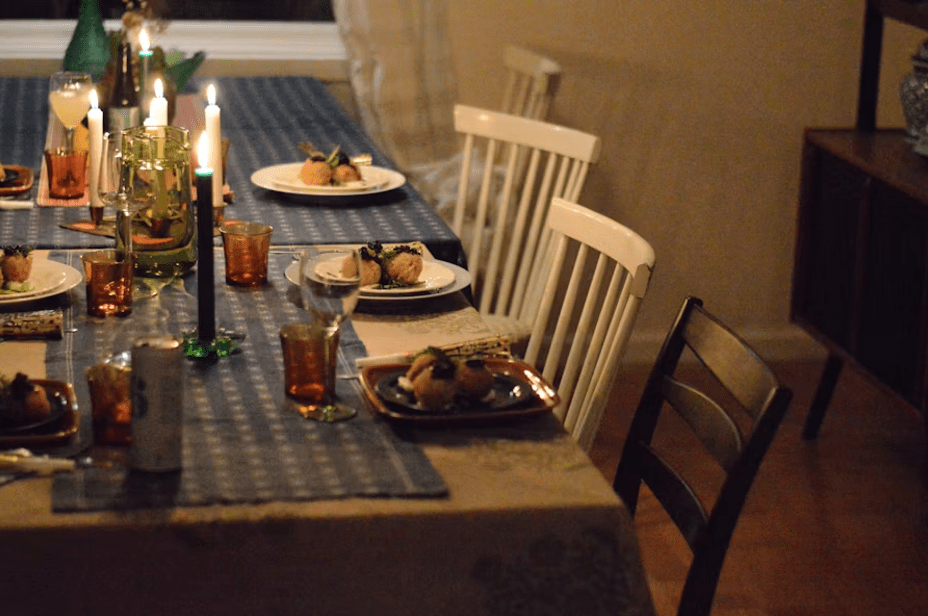
The Craft Behind the Moment: How Food and Wine Rituals Shape the Way We Celebrate
Every meaningful gathering has a sensory signature. The scent of something baking. The sound of a cork leaving a bottle. The shared anticipation that settles over a table before the first bite or the first sip.
These moments feel effortless when they arrive. But behind each one sits a chain of decisions, techniques and traditions that most guests never see. The cake that centres the table required hours of layering and tempering. The wine that fills the glasses underwent months of careful refinement.
Understanding the craft behind these rituals does not diminish their magic. It deepens appreciation for what celebration actually demands of those who create its defining elements.
Food and drink are never just fuel at a gathering. They are the language through which hosts communicate care, and through which cultures express what matters most.
Why ritual still matters
Modern life has compressed many traditions into convenience. Meals get ordered through apps. Celebrations get planned in group chats. The distance between desire and delivery has never been shorter.
Yet the rituals surrounding food and drink have not lost their hold. If anything, their significance has intensified precisely because so much of daily life has become frictionless and forgettable.
A birthday cake still silences a room. A carefully chosen wine still signals that an evening is more than ordinary. These objects carry symbolic weight that transcends their ingredients.
Anthropologists have long observed that shared consumption rituals strengthen social bonds in ways that other shared activities do not. Eating and drinking together creates vulnerability and trust. It requires a kind of presence that conversation alone does not demand.
The rituals persist because the needs they serve remain fundamental. Humans still want to mark time. Still want to honour relationships. Still want to create moments that stand apart from routine.
The quiet art of pastry
Pastry is among the most technically demanding of the culinary arts. It rewards precision and punishes improvisation. Temperatures matter to the degree. Timing matters to the minute.
Yet the best pastry work conceals its difficulty entirely. A perfectly glazed entremet looks effortless. A flawless layer cake suggests simplicity. The craft hides behind beauty so convincingly that many people underestimate what its creation actually requires.
Professional patissiers train for years before achieving consistency. Techniques like tempering chocolate, stabilising mousse and achieving mirror-finish glazes demand not just knowledge but physical intuition developed through repetition.
The results justify the rigour. A well-made cake engages every sense. The visual impact arrives first. Then texture. Then flavour that unfolds in stages rather than delivering everything at once.
This multisensory complexity is what separates professional pastry from its domestic equivalent. Both can taste wonderful. But professional work achieves a coherence that comes only from deep technical understanding.
Celebration and the centrepiece
Every culture has its version of the celebratory centrepiece. The wedding cake. The birthday gateau. The festive dessert that signals this day is different from other days.
These centrepieces carry expectations that ordinary food does not. They must look extraordinary. They must taste exceptional. They must arrive at precisely the right moment in precisely the right condition.
Meeting these expectations requires infrastructure that home kitchens rarely provide. Temperature-controlled transport. Structural engineering for tiered designs. Timing coordination that accounts for setting, assembly and presentation.
Australian patissiers have responded to these demands by building systems that deliver celebration-quality desserts without requiring hosts to manage the logistics themselves. Services offering cupcakes delivery Sydney have evolved from simple transport to carefully managed experiences where temperature control, timing and presentation standards match the quality of the product itself.
This matters because a technically perfect cake that arrives damaged or late fails its purpose regardless of how skilled the baker was. Delivery is not separate from craft. It is the final expression of it.
The best pastry operations understand that their work is not complete when the cake leaves the kitchen. It is complete when it arrives at the table and fulfills the moment it was made for.
Turning toward the glass
If pastry represents the visible centrepiece of celebration, wine operates more quietly. It sets mood rather than commanding attention. It accompanies rather than dominates.
Yet the craftsmanship behind a well-made wine rivals anything that happens in a pastry kitchen. The timelines are simply longer and the variables more numerous.
Winemaking begins in the vineyard, where decisions about canopy management, irrigation and harvest timing determine the raw material that cellars will work with. No amount of cellar technique compensates for fruit that was picked too early or too late.
Once grapes arrive at the winery, transformation begins. Fermentation converts sugar to alcohol while developing the aromatic complexity that distinguishes wine from grape juice. This process can take days or weeks depending on the style being pursued.
But fermentation is only the beginning of refinement. What happens afterward determines whether a wine achieves clarity, stability and the kind of polish that separates professional winemaking from amateur effort.
The invisible craft of refinement
Most wine drinkers never consider what makes their glass clear rather than cloudy. Transparency seems natural. It is actually achieved through deliberate intervention.
Young wines contain suspended particles including proteins, tannins and phenolic compounds that create haze and can produce unpleasant textures or flavours over time. Removing these elements without stripping desirable characteristics requires both science and sensory judgement.
This is where fining enters the winemaking process. Fining agents bind to specific unwanted compounds and settle them out of suspension. The choice of agent affects what gets removed and what remains.
Different wines require different approaches. White wines often need protein removal to prevent haze. Red wines may need tannin adjustment to achieve balance. Rosé wines demand gentle treatment that preserves delicate colour and aroma.
Specialists like Amaea have developed fining agents for red wine that address specific challenges winemakers face during this critical refinement stage. The precision of modern fining technology allows winemakers to target individual compounds without broadly diminishing the complexity that makes each wine distinctive.
This level of specificity reflects how far winemaking science has advanced. Early fining methods were blunt instruments. Contemporary approaches function with surgical precision, preserving character while achieving stability.
Where craft meets chemistry
The intersection of artistry and science defines both pastry and winemaking. Neither discipline succeeds through intuition alone. Neither succeeds through technical knowledge alone.
The best practitioners in both fields develop what might be called informed instinct. They understand the science deeply enough to know when rules should be followed precisely and when experience should guide deviation.
A pastry chef adjusts recipes based on humidity that instruments might not register but hands can feel. A winemaker tastes barrel samples and detects developments that laboratory analysis would confirm only days later.
This synthesis of knowledge and sensory skill cannot be automated. It represents the genuinely human element that mass production cannot replicate. It is the reason that handcrafted food and artisan wine continue commanding attention in a world where industrial alternatives offer convenience at lower cost.
Shared tables and what they hold
The cake and the wine eventually meet at the same table. They occupy different moments in the same gathering, serving complementary purposes within a shared experience.
Wine loosens conversation and establishes atmosphere during the meal. Dessert punctuates the evening with sweetness and spectacle. Together they create the sensory arc that transforms a gathering from pleasant to memorable.
Hosts who understand this arc make choices that serve the overall experience rather than optimising individual elements in isolation. The wine complements the food that precedes dessert. The dessert provides contrast rather than repetition. Each element has its role.
This holistic thinking mirrors what the best makers practice in their own work. Pastry chefs consider how sweetness levels will feel after a savoury meal. Winemakers consider how their wines will perform alongside food rather than in isolation.
The gathering becomes a collaborative composition even when the collaborators never meet. The winemaker and the pastry chef both contribute to an experience that neither fully controls.
Why the invisible work matters
Most guests at a celebration will never know the specific techniques that produced their dessert or refined their wine. They will not think about fining agents or tempering curves. They will simply experience the results.
This invisibility is not a failure of communication. It is the ultimate success of craft. When technique disappears behind experience, the maker has achieved something that technical skill alone cannot produce.
The cake tastes extraordinary without revealing its complexity. The wine drinks beautifully without exposing its refinement process. The evening feels effortless without betraying the hours of preparation behind it.
This is what craft in service of celebration actually looks like. Not visible effort, but invisible excellence. Not technical display, but human connection facilitated by objects made with uncommon care.
The best celebrations feel simple. Behind that simplicity stands a network of skilled people whose work made simplicity possible. Recognising their contribution does not complicate the moment. It honours it.