Small Habits That Quietly Transform How You Live, Work and Create
Nobody wakes up one morning with their life suddenly figured out. It just doesn’t work like that.
The people who seem to have it together? Most of them will tell you it came down to small, boring, almost invisible changes they stuck with long enough for things to shift.
Not a dramatic overhaul. Not some expensive course or retreat.
Just quiet little upgrades to the way they eat, work, and spend their time.
That’s what this piece is about. The tiny stuff that doesn’t look impressive on paper but ends up making a real difference in how you feel day to day.
Some of it is about health. Some are about how you work. Some are about rediscovering the kind of creative play most of us abandoned somewhere around adolescence.
All of it is simple. None of it requires willpower you don’t have.
Eating Well Without Making It Your Whole Personality
Can we talk about how exhausting food culture has become?
Every other week there’s a new protocol, a new villain ingredient, a new influencer telling you that everything you’re eating is slowly destroying you.
Here’s what actually works for most people: eat more real food. More fruit. More vegetables. More stuff that doesn’t come in a packet with an ingredients list you need a chemistry degree to decode.
The trick is making it easy on yourself. Because the moment healthy eating feels like a chore, it stops happening.
One of the simplest changes? Keep fresh fruit within arm’s reach.
Not buried in the back of the fridge behind last week’s leftovers. Right there on the counter, washed and ready to grab. When a banana or a handful of grapes is the easiest snack in the room, it wins by default.
You don’t need discipline. You just need convenience working in your favour.
The same logic applies to how you stock your kitchen. If good produce is hard to get or you keep putting off the shops, it doesn’t matter how many good intentions you have. You’ll reach for whatever is fastest.
That’s why delivery services have been such a game changer for a lot of people.
Something like fruit delivery Sydney takes the friction out entirely. Fresh, seasonal fruit shows up at your door. No detour to the supermarket. No picking through bruised options at the bottom of a bin.
You just… have good fruit around. And when it’s there, you eat it.
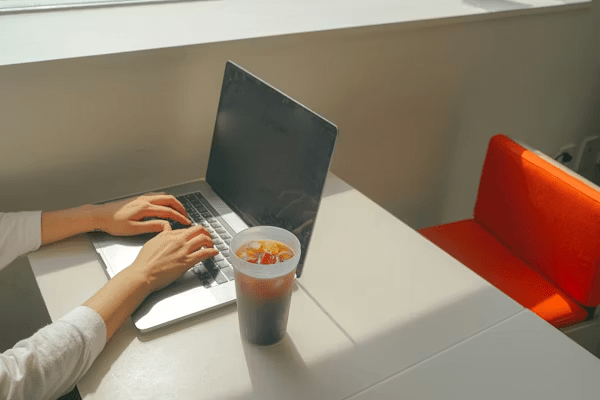
I’m not saying this one thing will revolutionise your health. But the gap between “I should eat better” and actually doing it is usually just logistics. Remove the obstacle and the behaviour follows.
A few other small food wins are worth trying.
Drink water before you reach for a snack. Half the time you’re just thirsty.
Prep one big salad or grain bowl at the start of the week so lunches don’t require daily effort.
Keep nuts and dried fruit stashed in your bag for when hunger hits and the nearest option is a vending machine.
None of this is groundbreaking. But the boring stuff works when you actually do it.
Your Work Environment Matters More Than You Think
Let’s switch gears.
There’s been a lot of focus on productivity systems and apps and morning routines. All fine. But one of the most overlooked factors in how well you work is the physical space around you.
The temperature. The lighting. The tools at your fingertips. The level of clutter competing for your attention.
People who work in labs and technical spaces understand this instinctively. When your work depends on precision, the quality of your supplies isn’t negotiable.
A researcher can’t produce reliable results with contaminated samples or poorly calibrated equipment. The environment has to support the work, or the work suffers.
But that principle doesn’t just apply to scientists and technicians. It applies to everyone.
A writer working at a desk buried under old mail and empty coffee cups? Your brain is processing that visual noise whether you realise it or not.
A designer whose monitor isn’t calibrated properly? You’re making colour decisions based on inaccurate information.
A small business owner running things from a kitchen table surrounded by chaos? Some part of your mental bandwidth is always being drained by the mess.
For people in technical and scientific fields, this often means having a reliable source for lab supplies they can count on for quality and consistency. When your equipment works and your materials are dependable, you stop wasting energy on troubleshooting things that should just function.
That freed up bandwidth goes straight into the work that actually matters.
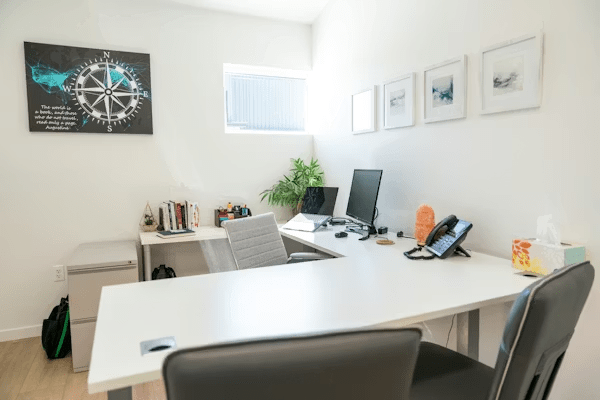
For the rest of us, the equivalent might be a decent chair. A second monitor. A proper filing system. Or even just clearing everything off your desk except what you need right now.
The point is the same regardless of your field. Your environment either supports your best work or quietly undermines it.
Try this: spend fifteen minutes at the end of each workday resetting your space.
Clear the desk. Put things back. Close your browser tabs.
When you sit down the next morning, you’re starting fresh instead of wading back into yesterday’s chaos. Small ritual, significant impact over time.
The Joy of Making Things With Your Hands
Okay, here’s where things get a little more personal.
Somewhere along the way, a lot of us stopped making things. Not for work. Not for money. Just… making things because it feels good.
Doodling. Painting. Scrapbooking. Assembling collages from magazine clippings like we used to do as kids.
There’s a real cost to that loss.
Working with your hands does something for your brain that staring at a screen simply cannot replicate. It activates different neural pathways. It calms your nervous system. It gives you a sense of completion that’s incredibly satisfying in a world where most of our work feels perpetually unfinished.
You don’t need to be “good at art” to benefit from this. That’s the whole point. It’s not about the result. It’s about the process.
Pick up a sketchbook and draw badly. Grab some watercolours and make a mess. Start a journal where you combine writing with visual elements.
One of the easiest ways to dip back in? Bullet journaling.
It’s pulled a lot of people into the creative world because it blends organisation with self expression. You’re planning your week, but you’re also decorating, colour coding, and making something visually satisfying.
And the supplies are more accessible than ever.
Something as simple as a good collection of washi tapes can turn a plain notebook into something you actually look forward to opening. Endless colours and patterns. Easy to reposition if you change your mind. They instantly make any page look more intentional.
Low commitment creativity at its best.
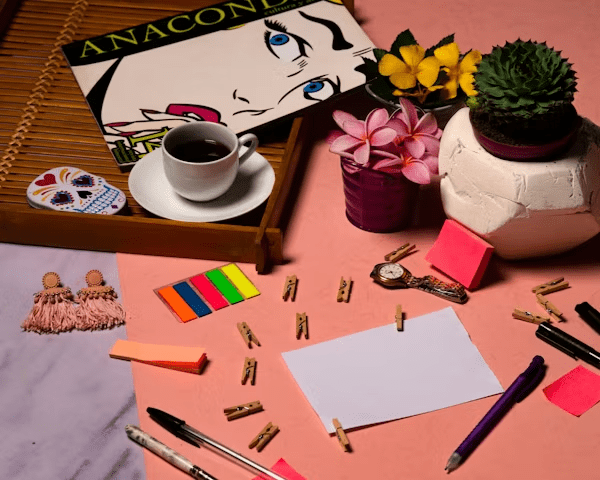
Beyond journaling, there are loads of low barrier outlets worth exploring.
Origami requires nothing but paper and patience. Knitting is repetitive in the best possible way and gives your hands something to do during a podcast. College work is endlessly forgiving because there are no rules and no mistakes.
The key is letting go of the idea that creative time needs to produce something impressive or shareable. Not everything has to be content.
Sometimes a Tuesday evening spent gluing bits of paper into a notebook is exactly the kind of quiet, grounding activity your brain has been craving.
Tying It All Together
If there’s a thread connecting all of this, it’s that the most meaningful improvements tend to be underwhelming on the surface.
Keeping fresh fruit around so you eat better by default. Cleaning your workspace so your brain has room to think. Spending twenty minutes with a notebook and some tape just because it feels good.
None of these will trend on social media. Nobody is making a documentary about the life changing power of a tidy desk and a bowl of seasonal fruit.
But stacked together, over weeks and months, these small shifts genuinely change how you feel.
More energy. More clarity. More of that quiet satisfaction that comes from taking care of yourself without needing announcements or applause.

The common mistake is waiting for motivation before starting. But motivation almost never shows up first.
Action comes first. You do the small thing, feel slightly better, and that feeling fuels the next small thing. It builds on itself quietly.
So pick one thing from this piece. Just one. The smallest, easiest one.
Do it tomorrow. See how it feels.
Then maybe add another one the week after.
That’s how the quiet transformation happens. Not with a bang, but with a series of choices so small you barely notice them… until one day you realise things are just a little bit better than they used to be.
Honestly? That’s more than enough.