Labeled Plant Cell 101
Understanding the Microscopic World of Plant Life
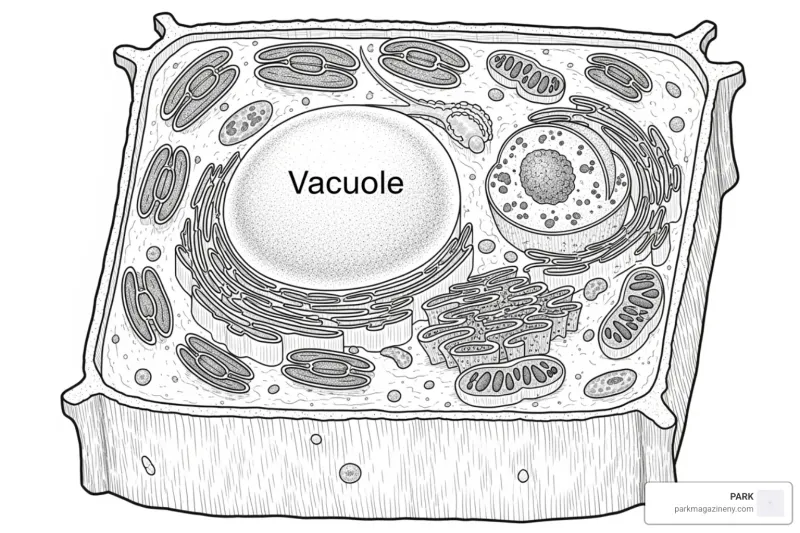
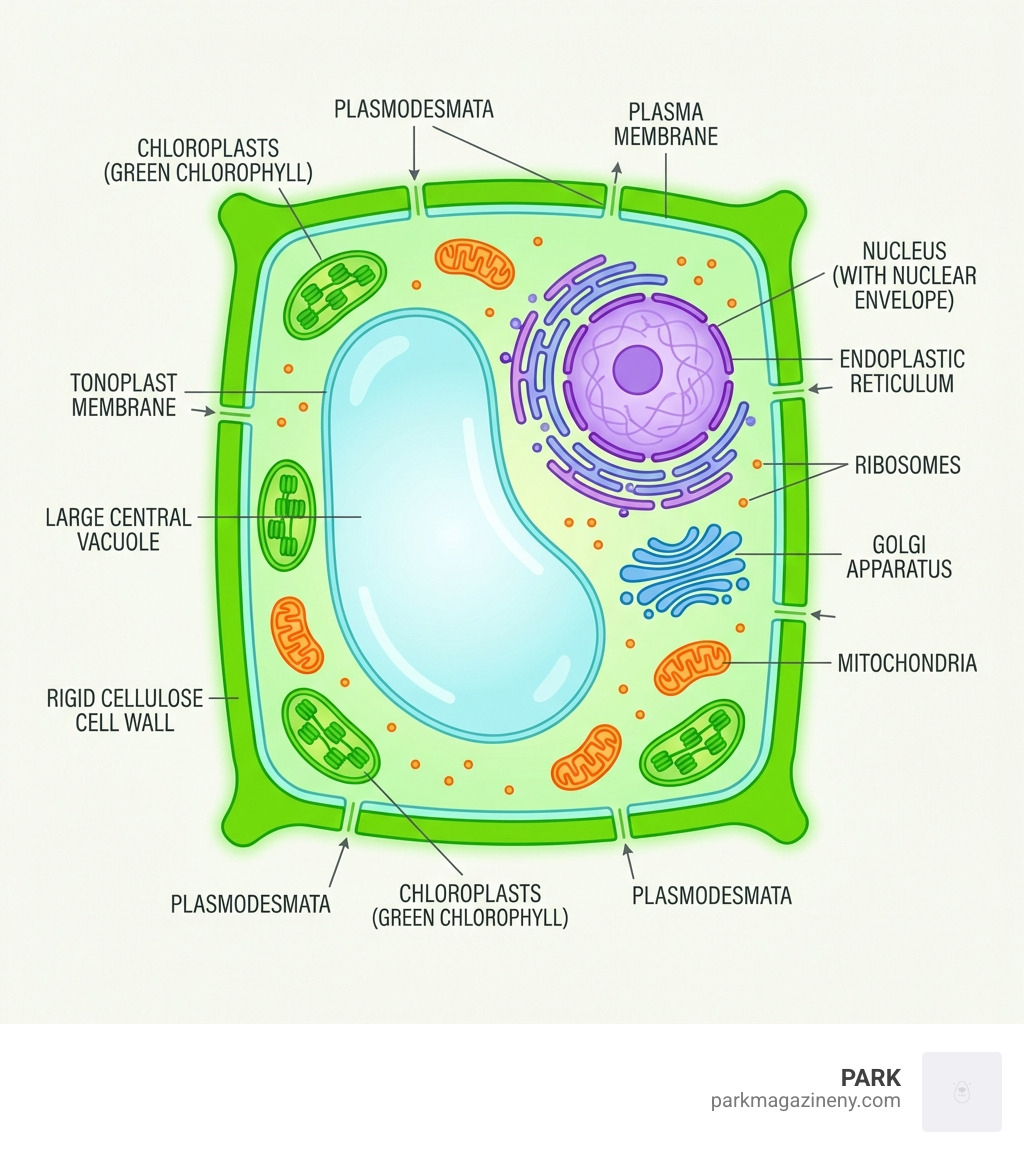
A plant cell labeled diagram reveals the intricate structures that power all plant life on Earth. Here are the essential components you’ll find in every plant cell:
Key Plant Cell Structures:
- Cell Wall – Rigid outer layer made of cellulose that provides structural support
- Chloroplasts – Green organelles that perform photosynthesis and convert sunlight into energy
- Large Central Vacuole – Fluid-filled compartment that stores water and maintains cell pressure
- Nucleus – Control center containing genetic material (DNA)
- Mitochondria – Energy-producing organelles that power cellular processes
- Plasma Membrane – Semipermeable barrier that controls what enters and exits the cell
- Endoplasmic Reticulum – Network for protein and lipid synthesis
- Golgi Apparatus – Packaging and distribution center for cellular materials
- Ribosomes – Protein-building factories
Plant cells are eukaryotic cells, meaning they contain membrane-bound organelles and a nucleus. These microscopic building blocks form everything from delicate flower petals to towering redwood trees.
What makes plant cells truly remarkable is their ability to manufacture their own food through photosynthesis. Unlike animal cells, plant cells possess specialized structures that capture sunlight and transform it into chemical energy – a process that sustains virtually all life on our planet.
According to research from Molecular Cell Biology, the typical plant cell measures between 10 to 100 micrometers in diameter. Though invisible to the naked eye, these cellular factories contain highly organized systems that rival any human-made production facility. For a concise scientific overview of plant cells and their main components, see the plant cell article.
The cell wall gives plants their characteristic firmness – think of the satisfying crunch of a fresh apple or the structural strength of a tree trunk. Meanwhile, the central vacuole can occupy up to 90% of the cell’s volume, acting as both a storage tank and a pressure system that keeps plants upright and turgid.
Plant cell labeled further reading:
A Detailed Look at a Labeled Plant Cell
Welcome to the fascinating inner world of a plant cell! When we examine a plant cell labeled diagram, we’re not just looking at a static image; we’re peering into a busy, microscopic city, each component playing a vital role in the plant’s survival and growth. These tiny cellular machines, known as organelles, work in harmony within the eukaryotic structure, performing complex functions that are essential for life. Let’s start on a guided tour, exploring the purpose of each key player in this cellular machinery.
The Outer Boundaries of a Labeled Plant Cell
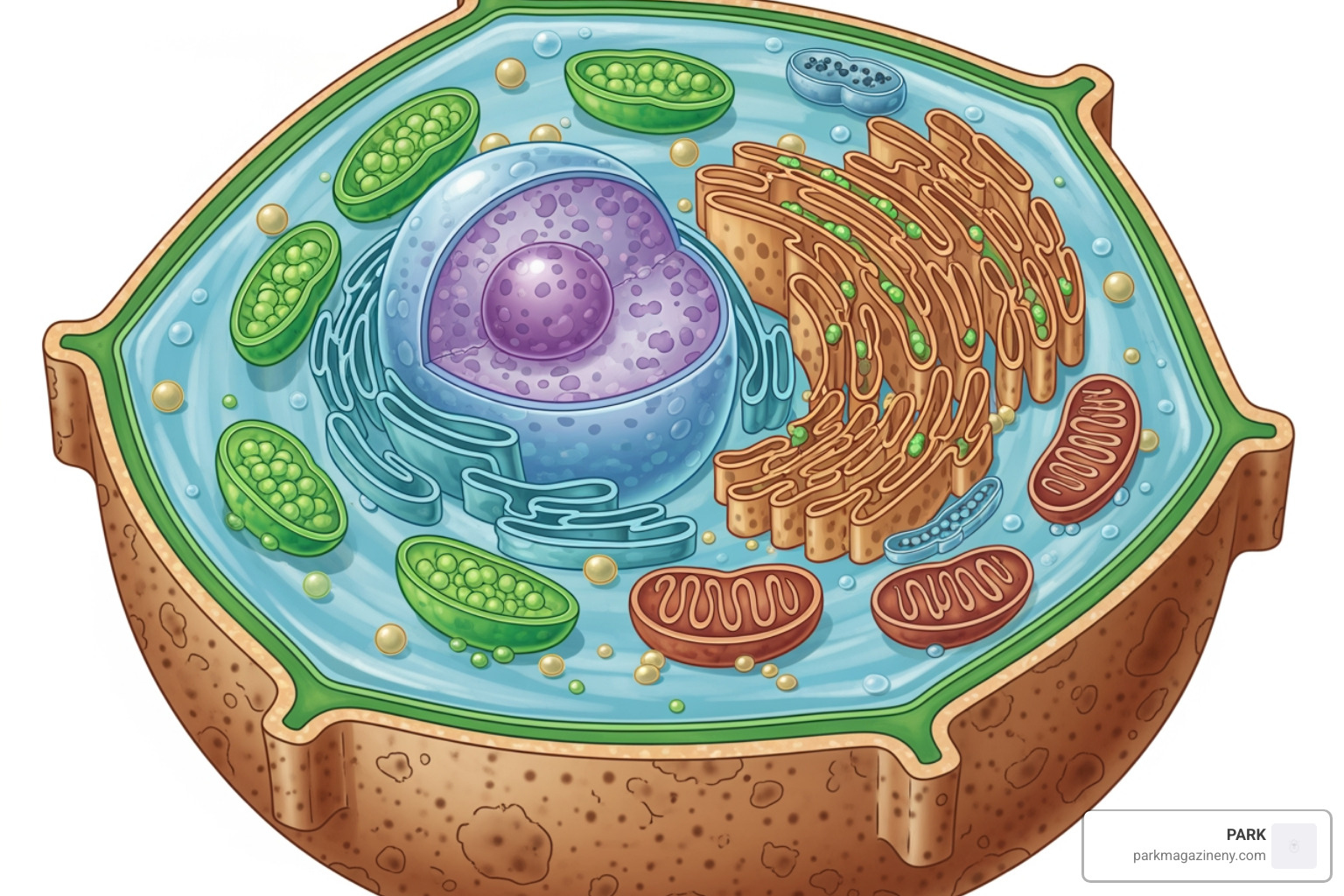
Imagine a plant cell as a miniature fortress. Its outermost layers are crucial for both protection and communication.
First up, we have the Cell Wall. This isn’t just any ordinary wall; it’s a thick, rigid membrane that surrounds the entire plant cell. Unlike animal cells, which simply have a cell membrane, plant cells boast this impressive outer layer. What’s it made of? Primarily cellulose, a tough carbohydrate fiber that provides incredible structural support and helps maintain the cell’s shape. This is why plants can stand tall against gravity and why your celery has that satisfying snap! The cell wall also forms bonds with other cell walls, creating the larger structure of the plant itself. In young, growing cells, you’ll find a primary cell wall, which is typically thin and flexible. As cells mature, they might develop a secondary cell wall, offering even greater rigidity. Between adjacent plant cell walls, there’s a sticky layer called the middle lamella, which acts like a protein-rich cement, holding cells together.
Just inside the cell wall, we find the Plasma Membrane (sometimes called the cell membrane). While the cell wall is about protection and structure, the plasma membrane is all about control. It’s a semipermeable barrier, meaning it’s selective about what gets in and out. Think of it as the cell’s security gate, carefully regulating the passage of organic molecules, ions, water, and oxygen into the cell, and ensuring waste products can exit. Its ability to control substances based on their polarity and size is critical for maintaining the cell’s internal environment.
But how do these plant cells talk to each other through those sturdy cell walls? Enter Plasmodesmata. These are tiny, specialized channels that connect the plasma membranes and cytoplasm of adjacent plant cells. They act like cellular doorways or direct communication lines, allowing for the seamless exchange of water, nutrients, and signaling molecules between cells. This intercellular communication is unique to plant cells and vital for coordinating activities throughout the plant, from root to leaf.
The Command Center and Protein Factories
Every efficient operation needs a command center and production facilities, and our plant cell labeled model is no different.
At the heart of the cell lies the Nucleus, often considered the control center. This large, spherical organelle houses the cell’s precious genetic material (DNA), organized into structures called chromatin. Chromatin is a complex of DNA and proteins that forms chromosomes, becoming visible only when the cell prepares to divide. The nucleus is enclosed by a double-layered membrane called the nuclear envelope, which contains pores to regulate the passage of molecules. Within the nucleus, we find the Nucleolus, a dense region primarily responsible for the synthesis of ribosomal RNA (rRNA) and the assembly of ribosomal subunits – the building blocks for the cell’s protein factories. Essentially, the nucleus dictates all cellular activities by controlling gene expression.
Speaking of protein factories, let’s talk about Ribosomes. These tiny, complex structures are not considered membrane-bound organelles, but they are absolutely essential for life. Their role is protein synthesis, translating genetic information from messenger RNA (mRNA) into specific amino acid sequences to build proteins. You can find ribosomes floating freely in the cytoplasm or, more commonly, attached to membranes, particularly the endoplasmic reticulum. Cells that secrete a lot of protein, like those producing digestive enzymes, are packed with ribosomes.
Working closely with ribosomes is the Endoplasmic Reticulum (ER), a vast network of interconnected membranes that extends throughout the cytoplasm. It comes in two main flavors: Rough ER and Smooth ER. The Rough ER gets its “rough” appearance from the ribosomes studded on its surface. This is where proteins destined for secretion or insertion into membranes are synthesized and folded. The Smooth ER, on the other hand, lacks ribosomes and is involved in a variety of metabolic processes, including lipid synthesis, detoxification of drugs and poisons, and storage of calcium ions. Together, the ER system is a busy hub for protein and lipid production and modification.
Energy, Storage, and Structure
Just like any thriving city, our plant cell needs energy, storage facilities, and internal scaffolding to maintain its form and function.
The powerhouses of the cell are the Mitochondria. These oval-shaped organelles are responsible for cellular respiration, the process that converts glucose and oxygen into usable energy in the form of ATP (adenosine triphosphate). ATP is the cell’s energy currency, fueling everything from growth to maintenance. The inner membrane of the mitochondria is folded into “cristae,” where much of this ATP generation takes place. Without mitochondria, the plant cell would quickly run out of fuel and cease to function.
Perhaps one of the most distinctive features of a plant cell is its colossal Central Vacuole. This isn’t just a small bubble; it can occupy a staggering 90% of the cell’s total volume! Surrounded by its own membrane called the tonoplast, the central vacuole is a multi-purpose organelle. Its primary role is water storage, but it also stores a variety of other substances, including:
- Water
- Nutrients (like ions and sugars)
- Pigments (which can give color to flowers or fruits)
- Waste products
- Metabolites
- Specialized crystals (like druse and raphite, which can deter herbivores and store minerals)
The central vacuole’s immense size and water content are crucial for maintaining turgor pressure. When the vacuole is full of water, it pushes against the cell wall, making the cell firm and rigid. This turgor pressure is what keeps plants upright and prevents them from wilting. When a plant cell loses water, its central vacuole shrinks, reducing the turgor pressure. This causes the cell to become flaccid, leading to the familiar drooping and wilting we see in thirsty plants. It’s a delicate balance, and the central vacuole is the master regulator.
Finally, we have the Cytoplasm and Cytosol. The cytoplasm refers to all the material within the plasma membrane, excluding the nucleus. The cytosol is the jelly-like fluid portion of the cytoplasm, where organelles are suspended. Despite being 70-80% water, the cytosol has a semi-solid consistency due to the presence of proteins. It’s the medium where many vital chemical reactions take place, supporting the cell’s metabolic activities.
The Unique Powerhouses of a Plant Cell
Now, let’s dig into the truly unique features that set plant cells apart and enable them to thrive as autotrophs – organisms that produce their own food. These specialized organelles, collectively known as plastids, are often the first things we notice when we look at a plant cell labeled diagram. Their origin through endosymbiosis (where one organism lives inside another in a mutually beneficial relationship) is a fascinating story, highlighting their ancient evolutionary journey.
Chloroplasts: The Solar Panels of the Cell
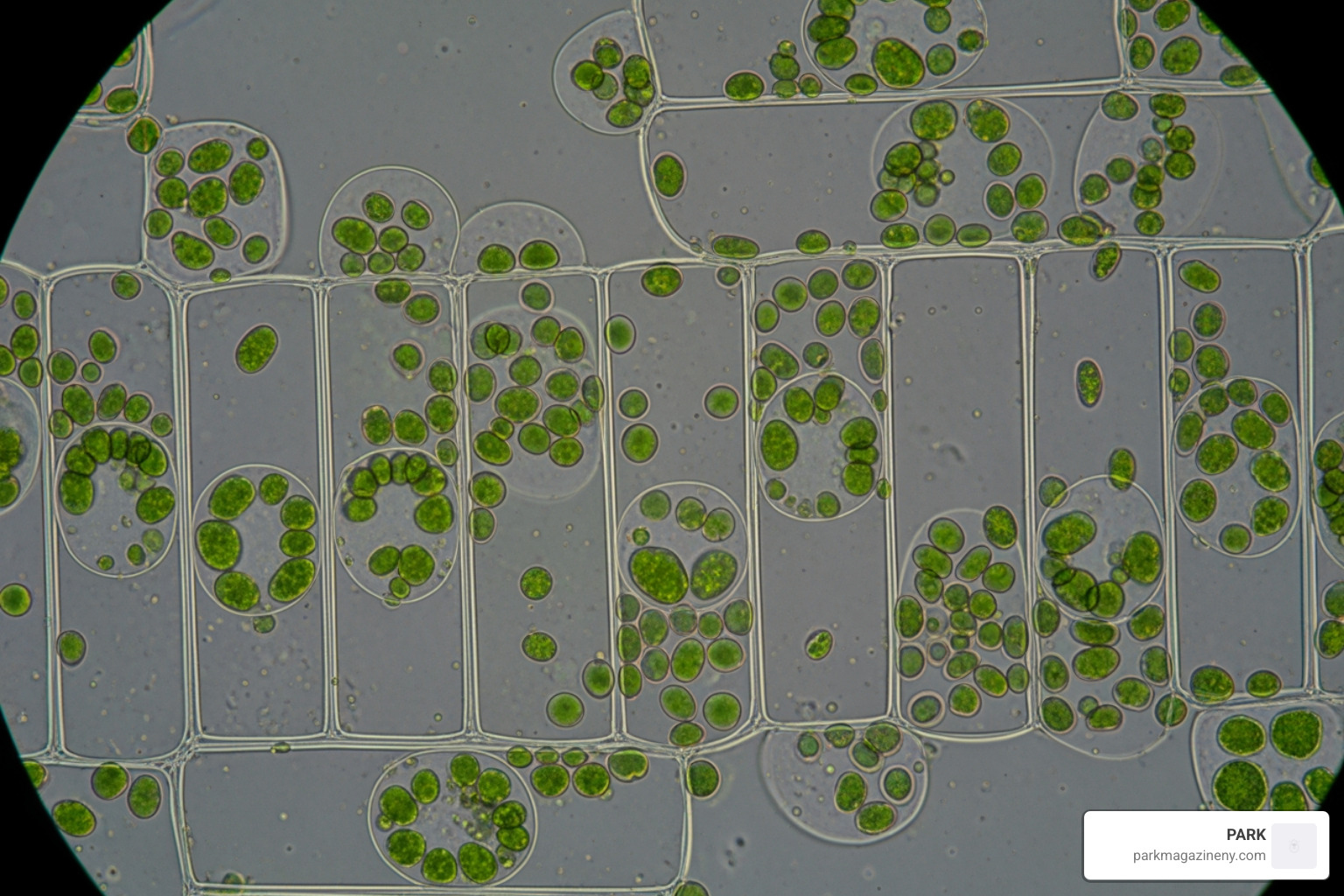
If plants are the Earth’s primary producers, then Chloroplasts are their solar panels. These green, oval-shaped organelles are the sites of photosynthesis, the incredible process where light energy is converted into chemical energy (sugars and starches). This is the magic that allows plants to take carbon dioxide from the air and water from the soil, and with the help of sunlight, create their own food and release the oxygen we breathe.
Inside each chloroplast, you’ll find a green pigment called chlorophyll. Chlorophyll is what gives most plants their characteristic green color, as it absorbs red and blue light for photosynthesis but reflects green light. The internal structure of a chloroplast is highly organized for efficiency. It contains stacks of flattened, disc-like sacs called thylakoids. A stack of thylakoids is known as a granum (plural: grana). The fluid-filled space surrounding the grana within the chloroplast is called the stroma. This intricate arrangement allows for the efficient capture of light energy and the subsequent chemical reactions that lead to sugar production. It’s an energy factory, tirelessly working to fuel the plant’s growth and development.
Chromoplasts and Leucoplasts: Color and Storage
Beyond the green of chloroplasts, plant cells host other types of plastids, each with its own specialized function.
Chromoplasts are responsible for the vibrant yellow, orange, and red colors we see in many fruits, flowers, and even aging leaves. These plastids contain various carotenoid pigments. Think of the brilliant red of a ripe pepper, the sunny yellow of a daffodil, or the fiery orange of autumn foliage – these are all thanks to chromoplasts. These colors are not just for show; they play a crucial role in attracting pollinators and seed dispersers, essential for plant reproduction.
Then we have Leucoplasts, which are non-pigmented plastids. These are the cell’s storage specialists. One prominent type of leucoplast is the amyloplast, which is dedicated to storing starch. You’ll find amyloplasts in abundance in storage tissues like potato tubers, where they pack away energy reserves for the plant. We can even visualize them by staining potato cells with iodine, which turns a distinctive blue-black in the presence of starch. Another type, elaioplasts, are specialized for storing lipids or oils, particularly in seeds, providing vital energy for germination. There are also proteinoplasts for storing proteins. These diverse plastids highlight the plant cell’s incredible versatility in managing its resources.
For a deeper dive into these fascinating components, you can find further reading on plant cell structure and components/10%3ACellsandTissues/10.01%3APlantCellStructureandComponents).
Plant Cells vs. Other Cells: A Comparative Look
Understanding what makes a plant cell labeled diagram unique is often best done by comparing it to other forms of life. While all cells share fundamental characteristics – a plasma membrane, cytoplasm, DNA, and ribosomes – the specific structures and adaptations vary greatly across different organisms. Let’s see how our plant cell stacks up against its cellular cousins.
The Labeled Plant Cell vs. Animal Cell
The most common comparison in biology classes is between plant and animal cells. Both are eukaryotic, meaning they have a true nucleus and membrane-bound organelles like mitochondria, Golgi bodies, and endoplasmic reticulum. However, there are three major distinguishing features that set plant cells apart:
| Feature | Plant Cell | Animal Cell |
|---|---|---|
| Cell Wall | Present (rigid, made of cellulose) | Absent |
| Central Vacuole | Present (large, single, maintains turgor) | Absent (or small, temporary, multiple vacuoles) |
| Plastids | Present (e.g., chloroplasts, chromoplasts) | Absent |
| Shape | Fixed, often rectangular due to cell wall | Flexible, often rounded or irregular |
| Centrosomes | Absent (most plant cells) | Present (contain centrioles) |
| Lysosomes | Generally absent (vacuole performs similar functions) | Present (contain digestive enzymes) |
The presence of a rigid cell wall in plant cells provides structural support and protection, contributing to the firmness of plant tissues. This is a stark contrast to animal cells, which only have a flexible plasma membrane, allowing for more varied shapes and movement. Our own bodies, composed of animal cells, are squishy and malleable, a direct result of this cellular difference.
The large central vacuole is another defining characteristic of plant cells. As we discussed, it’s vital for water storage and maintaining turgor pressure, keeping the plant firm. Animal cells, if they have vacuoles at all, have many small, temporary ones that don’t play the same structural role.
Lastly, plastids, especially chloroplasts, are exclusive to plant cells. These are the sites of photosynthesis, enabling plants to produce their own food. Animal cells, being heterotrophic, must obtain their nutrition by consuming other organisms, and thus lack these photosynthetic organelles. While animal cells possess centrosomes (involved in cell division) and lysosomes (for waste breakdown), these are typically absent or function differently in most plant cells, with the central vacuole often taking on lysosome-like roles.
Beyond Animals: How Plant Cells Differ from Fungi and Bacteria
Expanding our comparison, let’s look at how plant cells differ from fungal cells and bacterial cells, giving us a broader perspective on cellular diversity.
Plant Cells vs. Bacterial Cells:
This is a comparison between two fundamentally different types of cells: eukaryotic (plant) and prokaryotic (bacterial).
- Eukaryotic vs. Prokaryotic: Plant cells are eukaryotic, meaning they have a true nucleus and other membrane-bound organelles (like mitochondria, ER, Golgi). Bacterial cells are prokaryotic, lacking a nucleus and other membrane-bound organelles. Their genetic material is located in a region called the nucleoid, not enclosed within a membrane.
- Size: Plant cells are significantly larger, typically ranging from 10 to 100 micrometers in diameter. Bacterial cells are much smaller, usually between 0.5 and 5 micrometers.
- Cell Wall Composition: Plant cell walls are primarily composed of cellulose. Bacterial cell walls are made of peptidoglycan, a unique polymer of sugars and amino acids.
- Organelle Complexity: Plant cells have a complex internal organization with many specialized organelles. Bacterial cells have a simpler internal structure, lacking the internal compartmentalization seen in eukaryotes.
- Reproduction: Plant cells reproduce via mitosis and meiosis for sexual reproduction. Bacteria reproduce asexually through binary fission.
Plant Cells vs. Fungal Cells:
Fungal cells are also eukaryotic, sharing some similarities with plant cells, but they have key differences reflecting their distinct lifestyles.
- Cell Wall Composition: While both have cell walls, their composition differs. Plant cell walls are made of cellulose. Fungal cell walls are mainly composed of chitin, the same tough material found in insect exoskeletons.
- Nutrition: Plant cells are autotrophic; they produce their own food through photosynthesis. Fungal cells are heterotrophic, meaning they obtain nutrients by absorbing organic compounds from their environment, often by secreting digestive enzymes.
- Vacuoles: Plant cells typically have one large central vacuole. Fungal cells usually have several smaller vacuoles.
- Plastids: Plant cells contain plastids (chloroplasts, chromoplasts, leucoplasts). Fungal cells lack plastids, as they do not perform photosynthesis.
- Growth: Plant cells grow by both cell division and expansion in all directions. Fungal cells primarily grow apically (at their tips).
These comparisons underscore the remarkable diversity of life at the cellular level and highlight the specialized adaptations that allow plants to flourish in their unique ecological niche.
Frequently Asked Questions about Plant Cells
We often receive questions about the fundamental aspects of plant cells. Here are some of the most common ones, answered with clarity and a touch of our signature warmth.
What are the three main parts that distinguish a plant cell?
When we look at a plant cell labeled diagram, the three most distinctive features that immediately set it apart from, say, an animal cell, are its:
- Rigid Cell Wall: This sturdy outer layer, primarily made of cellulose, provides structural support, protection, and maintains the cell’s shape. It’s the reason plants can stand upright and why fruits and vegetables have their characteristic firmness.
- Chloroplasts: These are the green powerhouses where photosynthesis takes place. They contain chlorophyll and convert sunlight into chemical energy (sugars), essentially making the plant its own food factory.
- Large Central Vacuole: This enormous, fluid-filled sac can take up to 90% of the cell’s volume. It stores water, nutrients, and waste, but most importantly, it maintains turgor pressure, pushing against the cell wall to keep the plant cells firm and prevent wilting.
These three components are the hallmarks of a plant cell’s unique design and function.
Why are most plants green?
It’s a question that sparks childhood curiosity! Most plants appear green because their cells contain chloroplasts, which are packed with a special pigment called chlorophyll. Chlorophyll is a master of light absorption, but it’s a bit picky. It efficiently absorbs red and blue wavelengths of light from the sun for the process of photosynthesis (converting light energy into food). However, it reflects the green wavelengths of light. Our eyes perceive this reflected green light, which is why fields, forests, and even the potted plants in our New York City apartments, predominantly appear green. It’s a beautiful, functional trick of nature!
What happens when a plant cell loses water?
When a plant cell loses water, a visible and often sad change occurs. The first and most significantly affected organelle is the large central vacuole. As water leaves the cell, the central vacuole shrinks dramatically. This loss of water causes a decrease in turgor pressure – the internal pressure that the vacuole exerts against the cell wall.
Without sufficient turgor pressure, the cell becomes flaccid, much like a deflated balloon. When many cells in a plant lose water and turgor pressure, the entire plant begins to wilt and droop. This is why you see your favorite plant looking limp and sad when you forget to water it; its cellular support system has temporarily collapsed. Thankfully, a good drink of water can often rehydrate the cells, refill the central vacuoles, restore turgor pressure, and bring the plant back to its vibrant, upright glory!
Conclusion
The journey through a plant cell labeled diagram reveals a world of intricate design and astonishing efficiency. From the protective accept of the cell wall to the energy-producing dance within the chloroplasts, each component plays a critical role in sustaining plant life. These microscopic factories are not just fascinating biological wonders; they are the very foundation of nearly all ecosystems on Earth, converting sunlight into the energy that fuels life itself.
At PARK Ave Magazine, we believe in exploring the fascinating science that shapes our world, from the grandest natural phenomena to the smallest cellular marvels. Understanding the plant cell helps us appreciate the intricate beauty and resilience of nature all around us, even amidst the busy concrete jungles of New York City.
Explore more curated topics in our luxury lifestyle section.