Aluminum Manufacturing From Surface Finishing to Precision Machining
Aluminum is very instrumental in contemporary production. It is light in weight, powerful and resistant to corrosion and simple to handle. These characteristics have contributed to its popularity in most industrial applications including construction, automobile, aerospace, electronics and consumer goods. Nevertheless, aluminum is not efficient in the absence of the appropriate processing techniques.
This paper describes important manufacturing processes of aluminum. It places attention in finishing the surface, performance of the structure, precision machining and control of quality. Both sections present reasons why such steps are important and how they make aluminum products high-performance and long-lasting.
Surface Protection and Finishing of Aluminum
The oxide layer of Aluminum appears naturally to resist corrosion. Nonetheless, additional covering is required in severe conditions. Surface finishing enhances durability, beauty and life.
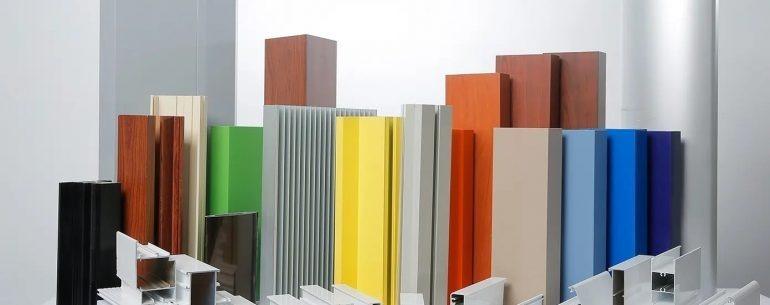
The Powder Coating Aluminum is one of the best finishes to apply. The process uses an electrostatic charge to apply a dry powder on the metal surface. The coating is then heat cured. The outcome is a smooth, tough and even finish.
Powder coating helps in shielding aluminum against moist conditions, UV radiation, chemicals and abrasion. Also a great variety of colors and textures is possible. In comparison to liquid paint, it generates less waste and is less risky to the environment. This renders it a viable and sustainable product in the indoor and outdoor aluminum products.
Strength & Weight Advantages of Aluminum
Aluminum has a unique combination of strength and weight. It is about one-third the weight of steel and yet it offers good structural support. This renders it applicable in situations where minimization of weight is a crucial factor.
Light materials enhance fuel efficiency in cars and airplanes. They also minimize stress of load in equipment and buildings. It is also very easy to shape and form aluminum, and this means that the manufacturers can come up with complex parts without compromising performance.
Corrosion resistance is another advantage. Aluminum is effective in humid and coastal as well as in industrial conditions. This helps to cut down on maintenance requirements and improves product life. Aluminum can also be relied on and used at a lower cost in the long term.
Aluminum Fabrication Techniques and Applications
The process of forming aluminum to useful components is referred to as fabrication. Typically tools are cutting, bending, welding, and forming. Both techniques are useful in certain ways with respect to product design.
Panels, enclosures and housings are commonly done with sheet aluminum. Frames, rails, structural supports Extruded aluminum are used in structural supports, rails, and frames. Cast aluminum is suitable when the shape is complex in nature and cavities are to be made internally. It matters how accurate the fabrication is.
The improper fabrication may result in low quality joints, misalignment or wastage. A fine art of fabrication guarantees that the aluminium material is constructed to meet performance level and that it can fit perfectly into the bigger assemblies.
Precision Engineering Through CNC Machining
CNC machining is needed in the manufacturing of complicated aluminum parts with narrow tolerances. It involves the computer control of tools which cut, drill and shape metal with a high precision.
Development of Custom CNC Machining Aluminum Parts gives the manufacturers the ability to develop parts that are to be used to fit their designed parts precisely. This is of paramount importance in such industries as aerospace, medical equipment, robotics and electronics.
Any minor setbacks may lead to system breakdown in these areas. Repeatability and consistency CNC machining provides repeatability and consistency. After a design has been programmed, it is possible to create many parts of the same design.
This minimizes variation and secures production-runs. It also enables quick prototyping of the product that accelerates product development and testing.
Quality Control and Testing in Aluminum Manufacturing
Quality control is used to assure the design and safety standards as well as performance of aluminum parts. It is a very essential procedure in any manufacturing process. Dimensional checks, surface analysis and strength tests are some of the inspection methods.
State of the art instruments such as coordinate measuring machines (CMMs) are accurate within microns. Visual inspection is useful in detecting surface defects, cracks or coating defects.
Regular testing lessens the potential of failure and enhances consumer confidence. It also assists manufacturers to comply with industry rules and qualifications. Even the well-developed aluminum products might not even work on the real-life experience without the appropriate quality control.
Long Term Environmental and Economic Benefits
The recycling of aluminum can be done over and again without compromising on strength and quality. It also consumes very little energy in the recycling of aluminum as opposed to when it is extracted using raw ore.
This makes aluminium a good sustainable production. Most industries have made recycled aluminum the highest priority to reduce the level of carbon emission and resource consumption.
Lightweight aluminum products also minimize the transportation emission in the long run. Sustainable practices in the environment are not the good ones. They also save on money and increase brand recognition. The cost of recycling aluminum will be a long-term advantage to the manufacturers since more regulations will be enforced.
Final Thoughts
The algorithm of intelligent selection of materials and the correct processing of the final result is the key to the production of aluminium. Wear life and appearance are improved through finishing.
Fabrication and machining ensure accuracy and strength. Quality control is countered by performance and safety. Sustainability gives a long-term value. The combination of these processes leads to the making of aluminum high performance solutions to the modern industries.
Each of them is essential, and the first and the last steps are protective metal finishes, including Powder Coating Aluminum and custom CNC Machining Aluminum Parts, respectively. The awareness of these methods will enable manufacturers and purchasers to make rational choices as well as to receive reliable results.