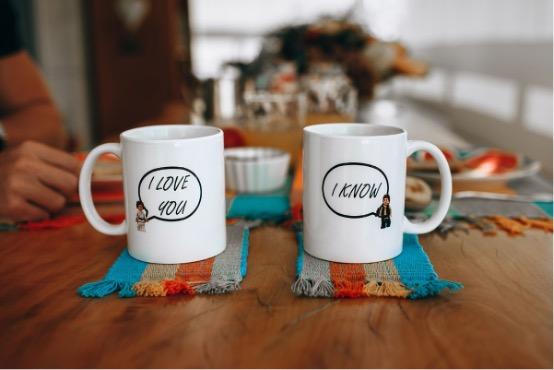
What is the best printing method for custom mugs?
There are many ways to print on mugs, and each method has its unique advantages. Whether you are looking to create a single personalized gift or order 500 units for a corporate event, choosing the right print technology is crucial. But with terms like “Sublimation,” “UV Printing,” and “Screen Printing” thrown around, how do you know which one is the “best”?
In this guide, we’re breaking down the top contenders in the mug printing world. We’ll help you navigate the pros and cons so you can create a masterpiece that stands the test of time and the dishwasher.
Common Mug Printing Methods Explained
To find the “best” method, we first need to understand how they work. Here are the five most popular technologies used in the custom printing industry today.
1. Dye Sublimation
If you have ever ordered a photo mug online that looked glossy, vibrant, and felt perfectly smooth to the touch, it was almost certainly made using Dye Sublimation. For anyone running a print on demand business, this technology is the reigning king because of its low setup costs and high quality.
How it works:
The science here is pretty cool. We print your design onto special transfer paper using heat-sensitive inks. The paper is wrapped around a mug coated with a special polymer layer. We then apply high heat and pressure. The ink turns into gas (sublimates) and literally bonds into the coating of the mug, rather than sitting on top of it.
The Pros:
- Zero “Hand Feel”: Because the ink becomes part of the mug’s surface, you can’t feel the print. It is completely seamless.
- Photo-Quality Detail: This is the only method that truly captures high-resolution photos, complex gradients, and unlimited colors perfectly.
- Durability: Since the image is embedded in the coating, it is highly resistant to scratching and is generally dishwasher safe.
The Cons:
The biggest limitation is that sublimation generally requires a white or very light-colored background to show the colors correctly. You cannot sublimate a standard photo onto a black mug because the ink is transparent.
2. Screen Printing
Screen printing is the traditional grandfather of the printing world. If you look at a simple promotional mug from a local bank or a souvenir shop with a solid-color logo, it’s likely screen printed.
How it works:
This method uses a mesh screen (stencil) for each color in your design. Ink is pushed through the screen onto the mug’s surface. After printing, the mug is usually fired in a kiln at high temperatures to cure the ink.
The Pros:
- Cost-Effective for Bulk: If you need 500 or 1,000 identical mugs, screen printing is incredibly cheap per unit.
- Pantone Matching: It offers excellent color precision for brands that need their logo to match a specific Pantone code exactly.
- Works on Dark Mugs: Unlike sublimation, screen printing inks are opaque, so vibrant yellow ink looks great on a black mug.
The Cons:
It is not built for small orders. The setup time to create screens is expensive, meaning you usually can’t order just one. Also, it cannot handle photographs or complex gradients, if your design has shading or more than 4-5 colors, screen printing usually isn’t an option.
3. Heat Transfer Printing
Wait, isn’t this the same as sublimation? Not quite! While sublimation uses heat, Digital Heat Transfer (often involving transfer paper or low-temp decals) is a different beast. This method is the answer when customers want full-color designs on colored ceramics.
How it works:
Think of this like a high-tech, industrial-strength temporary tattoo. The design is printed digitally onto a carrier paper with a special adhesive backing. Heat is applied to transfer the image onto the surface of the mug. Unlike sublimation, the ink sits on top of the material.
The Pros:
- Full Color on Any Color: This is the main reason to choose heat transfer. You can print a full-color family photo onto a navy blue or black mug.
- No Minimums: Like sublimation, this is a digital process, so you can easily order just one item without high setup fees.
The Cons:
- The “Sticker” Feel: Because the design sits on the surface, you can feel the edges of the print with your finger. It has a slight texture.
- Durability: While technology has improved, these prints are generally more susceptible to peeling or scratching over time compared to sublimation or kiln-fired screen prints. Hand washing is often recommended.
4. UV Digital Printing
UV Printing is the new kid on the block, bringing incredible versatility to custom mugs. It allows for direct printing on almost any hard substrate without the need for heat presses.
How it works:
A UV printer sprays tiny droplets of ink directly onto the mug (similar to your office inkjet printer), but it is immediately followed by a blast of Ultraviolet (UV) light. This light cures and dries the ink instantly—in a fraction of a second.
The Pros:
- Texture and Depth: One unique feature of UV printing is the ability to build up layers of ink. You can actually create a 3D, embossed effect (like a relief map) that feels premium.
- Material Versatility: UV printers don’t need special polymer coatings. They can print on glass, ceramic, stainless steel, and even wood.
- Speed: Since the ink dries instantly, production is lightning fast.
The Cons:
- Scratch Resistance: While the ink is hard, it relies on adhesion to the surface. Without a good primer, UV prints can sometimes be scratched off with a sharp object more easily than sublimated prints.
- Cost: The machinery and inks are expensive, which can make the per-unit cost higher than other methods.
5. Laser Engraving
Technically, this isn’t “printing” because no ink is involved, but it is a massive category in the custom drinkware market. Laser engraving is the go-to method for high-end travel mugs and tumblers.
How it works:
A computer-controlled laser beam is directed at the product. It burns away the top layer of the material (like the powder coating on a tumbler) to reveal the material underneath (usually stainless steel).
The Pros:
- Permanence: This is the most durable method on this list. A laser-engraved logo will literally last forever; it cannot fade, peel, or wash off.
- Premium Aesthetic: There is something undeniably classy about an engraved product. It looks clean, professional, and high-value.
- Eco-Friendly: No inks, solvents, or chemicals are used in the process.
The Cons:
- No Color: You are limited to the color of the material underneath the coating. You cannot have a full-color photo or a multi-colored logo—it is strictly a two-tone look.
- Surface Limit: It works best on metal or specially glazed ceramics; it doesn’t look as good on standard white ceramic mugs.
How to Choose the Right Method?
Still not sure which method is the winner for you? It ultimately depends on what you are printing and how many you need. Here is a quick cheat sheet to help you decide:
The Personal Gift
- You want: A single mug with a photo of your cat or a colorful digital illustration.
- The Winner: Dye Sublimation. It’s the only way to get photo-realistic quality and a smooth finish on a single item.
The Corporate Event
- You want: 500 mugs with your company’s blue logo for a trade show.
- The Winner: Screen Printing. It’s the most cost-effective for large quantities and ensures your brand color is spot-on.
The Dark Aesthetic
- You want: A bright, multi-colored design on a sleek matte black mug.
- The Winner: Heat Transfer (or UV Printing). Since sublimation won’t work on black, these methods allow the colors to pop against the dark background.
The High-End Merch
- You want: Branded stainless steel travel tumblers that look expensive.
- The Winner: Laser Engraving. It offers a permanent, luxury feel that printed ink simply can’t match.
FAQs
Which printing method is the most dishwasher safe?
Dye Sublimation and Laser Engraving are the winners here. Because sublimated ink is embedded into the coating, it won’t peel off in the wash. However, always check the specific manufacturer’s rating, as high heat can sometimes reactivate the ink over many years. Laser engraving is practically indestructible.
Can I print a photo on a black mug?
Yes, but not with standard Dye Sublimation. To print a photo on a black mug, you need to use Digital Heat Transfer or UV Printing, which can lay down a white under-base layer so the colors of the photo remain visible.
Is there a setup fee for custom mugs?
It depends on the method. Screen Printing usually has high setup fees (to make the screens), which is why it has high minimum order quantities. Digital methods like Sublimation and UV printing have little to no setup cost, making them perfect for single orders.
Conclusion
The best printing method is simply the one that fits your specific project. For most individual creators, artists, and gift-givers, Dye Sublimation remains the undisputed champion for its ability to turn a simple white mug into a vibrant, durable canvas without breaking the bank.