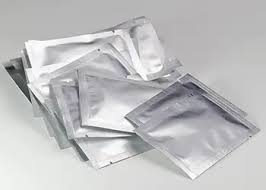
Mylar Bags: The Smart Storage Upgrade Redefining How New Yorkers Protect Their Pantry
If you’ve opened a bag of small-batch coffee from Brooklyn, a sleek pouch of edibles, or scrolled through “pantry restock” videos lately, you’ve already met them: Mylar bags.
Once reserved for hardcore preppers, these shiny, flexible pouches are now turning up in New York apartments, commercial kitchens, and boutique brands across the city. The reason is simple: in a world of rising prices and tiny kitchens, protecting what you buy matters.
This guide breaks down what Mylar bags really do, where they fail, and how to use them the right way—whether you’re storing rice for emergencies, coffee for your customers, or products for your brand.
Why Mylar Bags Are Suddenly Everywhere
The rise of shiny silver pouches
Open a trendy bodega or neighborhood café in Manhattan or Brooklyn, and you’ll see rows of metallic bags on the shelves. The look is modern and polished, but it’s not just about aesthetics. Those bags are playing defense against oxygen, light, and moisture—three things that ruin flavor and freshness.
Who this guide is for
This article is for:
- Preppers and emergency planners building long-term food reserves
- Home cooks and bulk buyers who stock up to save money
- Small food, coffee, snack, and cannabis brands needing professional packaging
- NYC apartment dwellers who need serious storage in very small spaces
By the end, you’ll know which custom mylar bags to buy, how to avoid common mistakes, and how to decide if they’re actually worth it for your lifestyle or business.
What Are Mylar Bags? (Plain English, No Jargon)
Simple definition: what “Mylar” actually means
“Mylar” is a trade name for a type of polyester film. When people say “Mylar bags,” they usually mean plastic pouches made from this film, often with a thin metallic-looking layer inside. The result is a flexible bag that acts like armor for your food or products.
How Mylar bags are made and why the metallic layer matters
Most Mylar bags used for storage and packaging have:
- A strong plastic base layer
- A metalized layer that acts as a barrier
- A sealable top edge (sometimes with a zip-lock closure)
That metallic-looking interior does the heavy lifting. It helps block:
- Oxygen – which causes rancidity and staleness
- Light – which breaks down nutrients and flavors
- Moisture – which can lead to mold and clumping
Mylar vs plastic bags vs vacuum sealers
- Regular plastic bags: Easy and cheap, but oxygen and light pass through over time. Good for short-term storage.
- Vacuum sealers: Great for freezing and short- to medium-term storage. The plastic is still more permeable to oxygen and light than Mylar.
- Mylar bags: Not a replacement for every situation, but much better for long-term dry storage, especially when combined with oxygen absorbers.
Where you see them in New York
In NYC, you’ll find Mylar bags used for:
- Specialty coffee beans and loose-leaf tea
- Granola, jerky, and snack mixes
- Cannabis and CBD products
- Long-term pantry staples stored in closets, under beds, and in tight pantries
How Mylar Bags Work: The Science Behind the Shine
Oxygen, light, and moisture: the big three
Almost everything that makes food go “off” comes down to:
- Oxygen – oxidizes fats, destroys flavor, and invites pests
- Light – breaks down color, nutrients, and compounds (like caffeine or cannabinoids)
- Moisture – encourages mold, bacteria, and clumping
Mylar bags slow all of this down by building a barrier between your food and the environment.
Barrier protection in plain language
Think of a Mylar bag as a raincoat plus blackout curtain for your food:
- The metallic layer blocks light
- The material slows oxygen from seeping in
- The sealed top keeps out humidity and pests
When you go one step further and add an oxygen absorber inside the bag before sealing, you’re actively removing oxygen from that small space.
Mylar + oxygen absorbers: why they’re paired
Oxygen absorbers are small packets that pull oxygen out of the air inside the bag. With a good seal and the right size absorber, you can:
- Slow oxidation dramatically
- Extend the usable life of many dry foods
- Help protect delicate flavors and aromas
What Mylar can do—and what it can’t
Mylar bags:
- ✔ Help extend shelf life for dry goods when used correctly
- ✔ Reduce waste from stale or buggy foods
- ✔ Protect sensitive products like coffee, tea, and cannabis
But they do not:
- Turn unsafe food into safe food
- Make moist foods safe for room-temperature storage
- Replace good rotation and common sense
Who Uses Mylar Bags (and Why)
Preppers and emergency planners
For preppers, Mylar bags are part of an emergency food system. Bulk rice, beans, oats, and similar dry foods can be portioned into Mylar and stored for years in cool, dark conditions.
Home cooks and bulk buyers
In cities like New York, bulk buying can be a smart way to save, even if you don’t have a walk-in pantry. Mylar lets you:
- Break huge bags of rice, flour, or beans into smaller, manageable portions
- Store backup food in closets or under-bed bins
- Keep ingredients fresher longer in small kitchens
Coffee roasters, tea blenders, and snack makers
For small brands, Mylar is a packaging workhorse:
- Protects flavor and aroma
- Offers resealable options for customers
- Serves as a sharp-looking canvas for branding and labels
Many packaging companies, including providers like Urgent Custom Boxes offer customizable Mylar pouches that balance performance with shelf appeal.
Cannabis and CBD brands
In cannabis, Mylar bags help with:
- Odor control and discretion
- Light protection to preserve potency
- Child-resistant and tamper-evident options, depending on design
Benefits of Mylar Bags (Minus the Hype)
Extended shelf life for dry goods
With proper sealing, oxygen absorbers, and cool storage, Mylar bags can significantly extend the life of:
- White rice, wheat berries, and other low-oil grains
- Dry beans and lentils
- Pasta and instant potatoes
- Baking staples like flour and oats
The exact number of years depends on the food, temperature, and storage conditions, but the difference compared to regular bags can be dramatic.
Flavor, aroma, and potency protection
For products like:
- Artisanal coffee beans
- Loose-leaf teas and herbal blends
- Spices and seasoning mixes
- Cannabis and CBD edibles or flower
Mylar helps keep aromas inside and light outside, both of which preserve the character of the product.
Space-saving and stackable
Mylar bags can:
- Lay flat or stack like books
- Fit in bins, drawers, or under beds
- Be stored vertically in narrow cabinets
That flexibility is a big reason they fit so well into New York’s micro-kitchens.
Better organization and portion control
You can portion bulk purchases into:
- Weekly or monthly “pantry packs”
- Single-batch baking mixes
- Standardized units for inventory in a small business
With clear labeling, your pantry stops being a mystery and becomes a system.
The Dark Side: Common Problems and Pain Points
Seal failures
A Mylar bag is only as good as its seal. Common sealing issues:
- Crumbs or grains caught in the seal line
- Inconsistent heat across the top of the bag
- Rushed sealing with a too-cool iron or sealer
The result? Air leaks in, and you only discover the problem months later.
Cheap, thin bags
Ultra-thin, bargain Mylar bags may:
- Tear easily at corners
- Develop pinholes during stacking or transport
- Offer weaker barrier protection
You think you’ve protected your food, but you’ve just upgraded to a slightly shinier plastic bag.
Confusion about specs
Many people get overwhelmed by:
- Thickness (e.g., 3 mil vs 5 mil)
- Sizes (ounces, grams, and gallons)
- Absorber capacity (cc ratings and volume charts)
This confusion leads to over-buying, under-protecting, or simply giving up on the idea altogether.
Mold, odors, and wasted food
Big mistakes that lead to spoiled food:
- Sealing food that isn’t fully dry
- Storing Mylar in hot, humid areas (over radiators, next to ovens)
- Letting cleaning products or chemicals share storage space with food
In NYC, radiators and small spaces make this especially tricky.
How to Choose the Right Mylar Bags
Size: matching bags to real-world use
Think about how you actually use your food:
- Small (sample size): spices, tea, single servings, small cannabis portions
- Medium (4–16 oz): nuts, coffee, granola, dried fruit
- 1–5 lb: rice, flour, beans, pet food portions
- 5-gallon liners: serious bulk storage inside buckets
If you only cook for one or two people, smaller bags usually mean less waste.
Thickness: 3 mil vs 5 mil and beyond
- 3 mil: Fine for light-duty, short- to medium-term storage or small product pouches.
- 5 mil: Better for long-term storage and rough handling; more resistant to punctures.
For apartment storage where bags might be moved, stacked, or squeezed into corners, 5 mil is usually a good baseline.
Clear vs opaque, stand-up vs flat
- Opaque silver: Best for blocking light; ideal for long-term storage.
- Clear-front bags: Great for retail and organization, slightly less protected from light.
- Stand-up pouches: Perfect for retail shelves and pantries where you want grab-and-go access.
- Flat bags: Better for stacking in bins or under beds.
Matching bag size with oxygen absorbers
A simple approach:
- Check the volume of your bag (manufacturers often list this).
- Use the absorber size recommended for that volume (often given in cc).
- When in doubt, it’s safer to slightly overshoot than undershoot, especially for long-term storage.
Quality checklist
When buying Mylar bags, look for:
- Even, solid sealing area at the top
- Material that feels sturdy, not crinkly and weak
- No strong chemical odor
- Clear specifications (thickness, material, food-grade status)
Step-by-Step: How to Use Mylar Bags Like a Pro
What to store—and what to avoid
Good candidates:
- Dry grains, beans, pasta
- Instant potatoes, rice mixes, oats
- Dehydrated fruits and vegetables
- Coffee, tea, herbs, spices
Be careful with:
- High-moisture foods
- Very high-fat items (nut butters, some nuts and seeds for long-term storage)
Always check food safety guidelines, especially for low-oxygen packaging.
Preparing your workspace
- Work in a clean, dry area
- Keep oxygen absorbers sealed until everything is ready
- Lay out bags, scoops, labels, and a marker
Filling, adding absorbers, and sealing
- Fill the bag, leaving a couple of inches at the top.
- Tap gently to remove excess air and settle contents.
- Add the oxygen absorber just before sealing.
- Seal with an impulse sealer, iron, or hair straightener. Move slowly and evenly.
- Check the seal by gently tugging; it should feel solid and continuous.
Labeling your bags
Include:
- Contents
- Date sealed
- Any key notes (e.g., “1 cup per bag,” “for soups,” “for emergency kit”)
Future you will be grateful.
Storage spots in a small NYC apartment
Look for:
- Interior closets away from radiators
- Under-bed storage bins
- Lower pantry shelves (heat rises)
- Hallway cabinets or other cooler, shaded spaces
Avoid:
- On top of the fridge
- Next to ovens or dishwashers
- Window-adjacent surfaces
Mylar Bags for Small Brands and Makers
Balancing protection and experience
For small brands, Mylar bags must:
- Protect the product
- Support a premium, trustworthy image
- Be easy for customers to open, reseal, and store
Features like tear notches, zip-lock closures, and matte or gloss finishes can all influence how your product feels in the customer’s hand.
Designing packaging that stands out
This is where a good packaging partner matters. Companies like Urgent Custom Boxes help brands customize Mylar pouches with:
- Branded prints and finishes
- Window cut-outs to show the product
- Sizes tailored to serving formats
When done right, the bag becomes part of the product experience, not just a container.
Cannabis and compliance
For cannabis and other regulated products, consider:
- Child-resistant closures if required
- Space for legal labels and warnings
- Tamper-evident features
Mylar bags can handle all of this while still looking clean and discreet.
Mylar, Sustainability, and Waste
Can you reuse Mylar bags?
You can sometimes reuse Mylar bags if:
- They’re not torn, punctured, or severely creased
- You can clean and dry them completely
- You’re storing non-critical items (or short-term goods)
For long-term food storage or critical inventory, most people stick to new bags to minimize risk.
Recycling realities
Most standard Mylar bags are not widely recyclable today. That’s a real downside. To balance this:
- Avoid overbuying and underusing bags
- Right-size your portions so you actually use what you store
- Focus on preventing food waste, which also has a big environmental footprint
New York Living: Making Mylar Work in Tiny Spaces
Creative storage ideas
- Slide flat Mylar bricks into bins under your bed
- Line a hallway closet with labeled bags in stackable containers
- Turn a high shelf into your “mini bulk store”
Bulk buying, city-style
You may not have a basement, but with Mylar, a few smart bins, and a labeling habit, you can still:
- Buy rice, beans, oats, and coffee in bulk
- Build a modest emergency pantry
- Protect your favorite specialty ingredients
Discreet, odor-controlling storage
Mylar bags are also practical for:
- Strong-smelling spices and dried foods
- Coffee beans that can perfume an entire apartment
- Cannabis products you’d rather keep private
How long can food last in Mylar bags with oxygen absorbers?
Many low-fat dry foods can stay usable for several years in sealed Mylar with oxygen absorbers, stored in a cool, dark place. Exact time depends on the specific food and storage conditions.
Are Mylar bags safe for food storage?
Yes, food-grade Mylar bags are safe for dry food storage when used correctly. Always choose reputable suppliers and follow food safety guidance, especially for long-term or low-oxygen storage.
Do I always need oxygen absorbers with Mylar bags?
Not always. For short-term storage or foods you’ll use within months, Mylar alone may be enough. For multi-year storage of dry goods, oxygen absorbers are strongly recommended.
What thickness Mylar bag should I choose for home use?
For most home users, a 5 mil bag offers a good balance of durability and flexibility, especially when bags are stacked, moved, or stored in tight spaces.
Can I reuse Mylar bags?
You can reuse undamaged bags for non-critical or short-term storage if they’re thoroughly cleaned and dried. For long-term food storage, new bags provide more reliable protection.
Where should I store Mylar bags in a small NYC apartment?
Aim for cool, dark spots: closets, under-bed bins, lower shelves, or interior cabinets away from radiators, windows, and appliances that generate heat.
Are Mylar bags smell-proof for cannabis and strong spices?
Quality Mylar bags greatly reduce smells and are often used for cannabis and pungent spices, but complete odor containment also depends on seal quality and bag thickness.
Conclusion: Are Mylar Bags Worth It for You?
Mylar bags won’t magically turn your pantry into a bunker, but they are a practical upgrade for anyone who buys in bulk, runs a small brand, or wants a bit of extra security and organization—especially in a space-challenged city like New York.