What Planners Should Know Before Selecting an Event Structure
Event planners face a delicate balancing act. Every decision, from venue selection to catering, affects how smoothly an event runs. Yet one choice often gets overlooked: the type of event structure. The physical setup shapes the experience, protects guests, and can even determine the event’s success. Choosing the wrong one can create logistical headaches, compromise safety, or limit flexibility.
To help you out, here are the key factors to consider when selecting an event structure.
Types of Event Structures
Event structures come in a range of styles, each suited to specific event needs, sizes, and environments. Understanding these options helps you select a structure that supports both function and guest experience.
Canopies
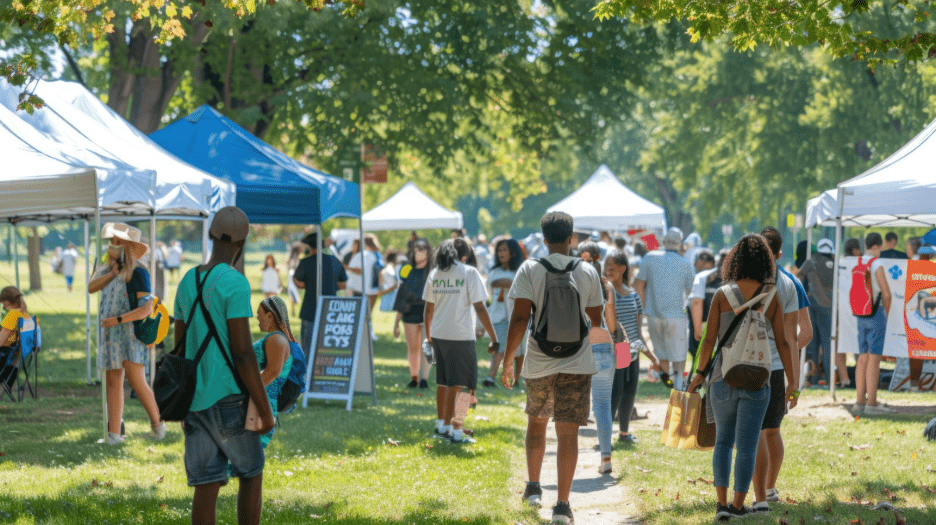
These structures are usually the first choice for small to mid-sized events due to their simplicity and ease of installation. Canopies work well for outdoor gatherings, vendor booths, or short-term use but offer limited weather resistance and customization. Their versatility makes them a practical solution for many environments.
To get the most out of your setup, buy a Jubilee canopy designed for dependable event use. A quality canopy enhances efficiency, maintains a professional appearance, and supports a smoother event experience from start to finish.
Modular Event Structures
When an event demands organization and scale, modular structures offer a practical solution. They function as customizable spaces that can be divided into multiple zones or fully enclosed areas. Many planners rely on them to support technical systems such as lighting, HVAC, and sound equipment. This makes modular buildings especially effective for exhibitions, trade shows, and multi-day occasions or activities.
Retractable Fabric Buildings
Designed with adaptability in mind, retractable fabric buildings allow event spaces to evolve as needed. Their adjustable layouts make it possible to respond to changing weather or shifting crowd flow. These structures balance strength with openness, offering both protection and comfort. Because of this flexibility, they are frequently used for festivals, corporate events, and large outdoor productions.
Frame and Pole Tents
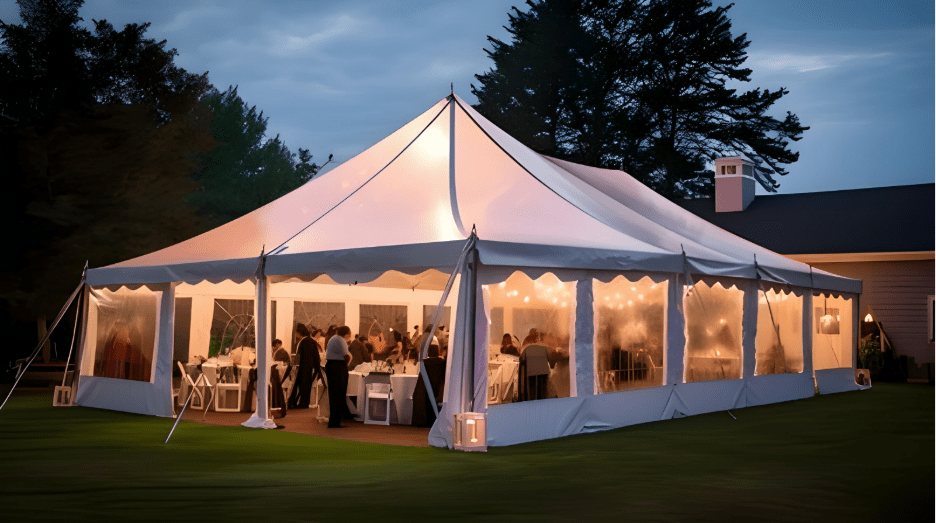
For events that call for more stability and visual impact, frame and pole tents are a great option. They’re commonly used at wedding venues, private celebrations, and medium-scale functions where appearance and layout flexibility are important. Proper anchoring is often required, depending on the site, to ensure a secure setup. These tents also allow for creative décor and customized seating arrangements, making them ideal for formal and semi-formal occasions.
As you can see, each type of event structure serves a distinct purpose and excels in different settings. Choosing the right option comes down to understanding how your space, audience, and event goals work together.
Site Conditions and Venue Constraints
The physical characteristics of a venue have a major impact on how an event structure can be installed. Surface type, elevation changes, and surrounding landscaping all influence placement and orientation. Limited space or fixed obstacles can further affect layout, particularly in urban or built-up areas.
Venue restrictions should be addressed early in the planning process. Some locations limit staking, weight loads, or attachment points. Knowing these rules in advance helps planners adjust designs and avoid last-minute changes. Addressing constraints early saves time, reduces costs, and ensures a smoother installation process.
Weather and Seasonal Planning
Seasonal factors influence not only comfort but also operational efficiency. Temperature fluctuations, humidity levels, and sun exposure can affect how long guests remain comfortable within a structure. Aligning the event schedule and layout with seasonal conditions helps create a more enjoyable environment.
Weather planning also extends to risk management. Preparing for unexpected conditions through flexible layouts or adaptable materials allows the event to continue smoothly. A proactive approach reduces disruptions and helps maintain consistency throughout the event duration.
Guest Flow and Space Planning
The way attendees navigate an event space directly affects their overall experience. Clear entry points, intuitive pathways, and well-defined zones make it easier for guests to move naturally from one area to another. Good spatial planning reduces bottlenecks and encourages engagement across the venue.
Space planning should also support different types of interactions. Quiet areas, high-traffic zones, and functional spaces like dining or presentation areas benefit from intentional separation. This balance helps maintain energy while ensuring comfort throughout the celebration or gathering.
Installation Timeline and Logistics
Every event structure comes with specific setup and dismantling requirements. Coordinating delivery schedules, labor availability, and access times is essential for staying on track. Early logistical planning helps prevent delays and keeps all teams aligned.
Teardown is equally important and often overlooked. Efficient dismantling ensures the venue can return to normal use promptly and reduces overtime or equipment hold costs. Planning both phases together leads to smoother overall execution.
Budget Alignment and Long-Term Value
Budget planning should account for more than just the initial structure cost. Transportation, labor, and customization can significantly influence total expenditure. Understanding these components upfront allows for more accurate financial planning.
Long-term value is another important consideration. Structures that can be reused, reconfigured, or adapted for future events offer greater return over time. Aligning spending with both immediate needs and future use helps maximize overall investment.
Wrapping Up
With a clear understanding of available structures and careful planning, selecting the right setup becomes much easier. Choosing wisely ensures the space supports both functionality and a comfortable experience for all attendees.
Thoughtful decisions enhance safety, improve flow, and maximize the versatility of the structure. When everything comes together, the event runs smoothly and leaves a lasting, professional impression.