Why your radiators aren’t heating evenly — and what’s causing it
Ever walked into one room that feels warm and cosy, while another still feels cold? Uneven heating is a common problem in many homes, and it often comes down to the way hot water moves through your heating system. Understanding how a central heating pump works can help you find the cause — and the solution — to uneven radiators.
What a central heating pump does
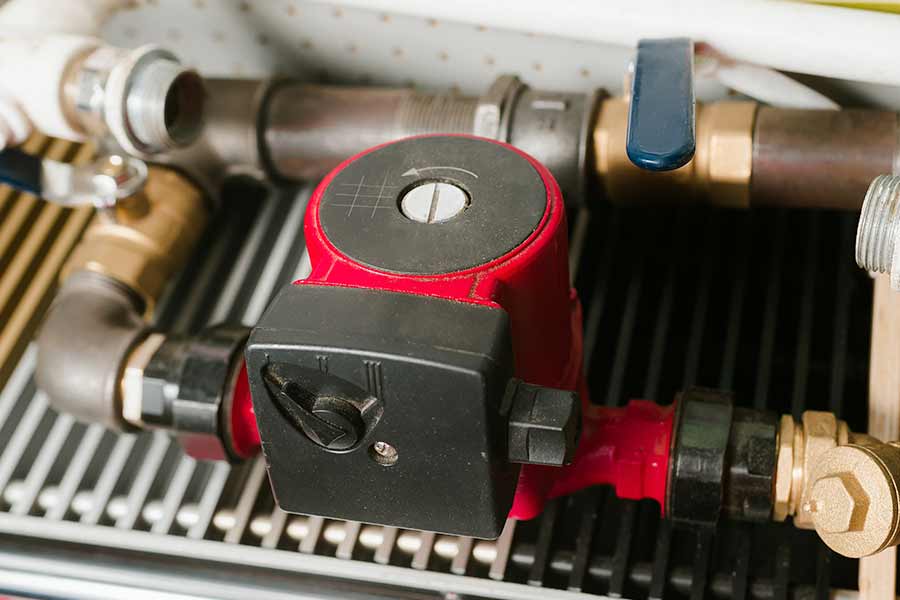
Your heating system relies on warm water to travel from your boiler to every radiator in your home. The central heating pump is the part that pushes this water around the system. Without it, the water would move too slowly or not at all, leaving some radiators cold.
When your heating pump is working well, it keeps the temperature balanced throughout the house. Every radiator receives hot water at roughly the same rate, ensuring a steady and comfortable level of heat. But when something goes wrong, that balance is lost — and that’s when uneven heating begins.
Common causes of uneven heating
- Air in the system
Air bubbles can stop hot water from circulating properly. You might notice that the top of your radiator feels cold while the bottom is warm. This is a sign that trapped air is blocking the flow. Bleeding your radiators is a simple fix that can often solve the issue. - Sludge build-up
Over time, dirt, rust, and debris can build up inside your heating system. This “sludge” can block pipes or radiators, making it harder for hot water to reach every part of your home. A system flush or a magnetic filter can help remove and prevent sludge. - Pump problems
The heart of the heating system — your pump — may not be performing as it should. If it’s set too low, the water may not circulate fast enough. If it’s failing altogether, you might hear strange noises or notice that some radiators never heat up. Knowing how a central heating pump operates helps you understand these symptoms and when it’s time for replacement. - Poor system balance
Sometimes, it’s not the pump or air at fault but the balance of the whole system. Each radiator has a valve that controls how much hot water flows through it. If one valve is fully open while others are half-closed, some radiators will get more heat than others. Adjusting the valves can help restore even heating.
How to improve heat distribution
If your radiators are heating unevenly, start with simple checks.
- Bleed your radiators to remove air pockets.
- Check the pressure on your boiler and make sure it’s within the correct range.
- Listen to your pump — if it’s noisy, weak, or unusually quiet, it might need maintenance or replacement.
Understanding how a central heating pump contributes to water flow can help you spot early signs of trouble. Sometimes, cleaning or adjusting your system is enough. Other times, replacing an old pump is the best solution for comfort and efficiency.
When to replace your pump
Like any mechanical part, heating pumps don’t last forever. If your home takes a long time to heat up, or if certain radiators stay cold no matter what you try, it could mean the pump is worn out. Modern pumps are more energy-efficient and much quieter than older models, so upgrading can make a noticeable difference in both performance and comfort.
Uneven heating can be frustrating, especially during cold months. But in most cases, the solution is simple once you understand how your heating system works. Whether it’s trapped air, system sludge, or a weak pump, fixing the cause can quickly bring back consistent warmth to every room.
If you’re considering replacing your heating pump, you can find a wide range of reliable models and expert advice at waterpump.co.uk. With the right central heating pump, your home can stay warm and comfortable all year round.