Why Beauty Salons and Barbershops Matter in Dubai (and Why the City Would Feel Different Without Them)
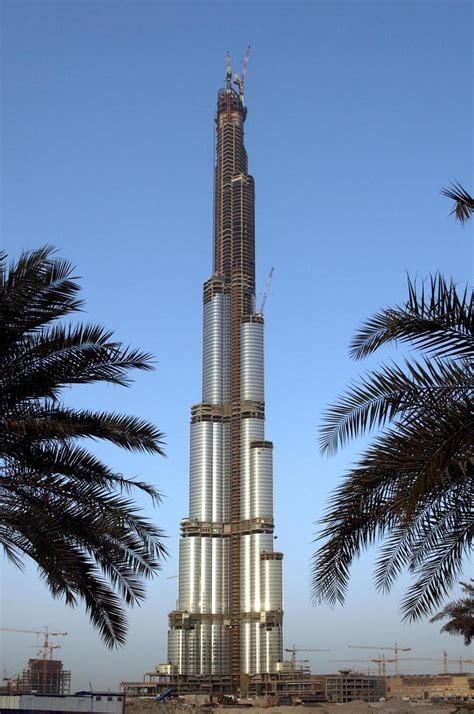
Dubai is a city that runs on first impressions. The skyline is engineered to stop you in your tracks, from the Burj Khalifa—828 meters to its architectural top—to the steady stream of new museums, promenades, and neighborhoods built for life on display. But the “Dubai look” is not only about buildings. It is also about people: how residents present themselves for work, celebrations, and social life, and how visitors want to feel when they step into a city that markets itself as polished, ambitious, and global.
That is where beauty salons and barbershops become more than simple service businesses. In Dubai, they function as part of the city’s soft infrastructure—supporting tourism, business culture, community identity, and even public health standards. They are small spaces with city-scale impact.
A global arrivals city needs “ready in an hour” services
Dubai’s pace is inseparable from its constant arrivals. The Dubai Department of Economy and Tourism reported 18.72 million international visitors in 2024. In the first half of 2025 alone, it reported 9.88 million international visitors. That volume of short-stay and repeat travel creates a practical need: people land, check in, and quickly want to look and feel “sorted”—for a wedding weekend, a business meeting, a conference, or simply a night out.
The airport statistics underline the same story. Dubai International (DXB) welcomed 92.3 million guests in 2024, the highest annual traffic in its history, according to Dubai Airports. In a city where travelers are constantly moving between hotel lobbies, meeting rooms, and nightlife districts, grooming services become part of the visitor experience—like transport links, restaurants, or retail.
This is one reason salons and barbershops cluster near major movement corridors: around Sheikh Zayed Road, near dense residential communities, and in areas that visitors recognize immediately—Downtown, the Marina, and older commercial centers near the creek. They serve as a kind of “pit stop” economy that keeps a high-mobility city looking camera-ready.
Dubai’s population structure drives everyday demand
Dubai is also a city of working-age residents, and that shapes daily grooming habits. Dubai’s official population bulletin estimates 4,248,200 residents at the end of 2024, with 68.5% male and a gender ratio of 218 males per 100 females—attributed in the bulletin to external workers arriving without their families.
Even more telling is the city’s “daytime” reality. The bulletin estimates 5,937,800 active individuals during peak hours, factoring in commuters who work in Dubai but live in other emirates, plus tourists and other movements. That means the customer base for grooming is larger than the resident population on a normal day.
In practical terms, barbershops and salons help the city’s workforce stay aligned with professional expectations. Dubai’s labor market includes corporate offices, hospitality, retail, construction management, and government roles—many of them customer-facing. In such environments, grooming is treated as part of readiness, not a luxury.
From Dubai Creek to today’s skyline: grooming as continuity, not just trend
Dubai likes to tell its story as a bridge between heritage and modernity, and you can literally see that idea in one landmark: the Dubai Frame, which measures 150 meters high and 95 meters wide, built to “frame” old and new Dubai in one view. That same “old/new” blend shows up in how people think about self-care.
Along Dubai Creek—often described as the city’s birthplace—heritage districts and museums emphasize how trade and daily life grew around the waterway (including the traditional regional term “khor,” meaning creek or waterway). Nearby, the Al Fahidi Historical Neighbourhood preserves traditional wind towers and older building materials, giving a sense of what life looked like before the modern boom.
In that cultural context, grooming is not merely fashion. It is linked to social customs, hospitality, and respectability across many communities—Emirati families, long-term expatriates, and newer arrivals alike. A barbershop in Deira serving a diverse set of clients is part of the same city story as a high-rise salon in a newer district: both reflect Dubai’s role as a meeting point of cultures.
Salons and barbershops are social spaces in a high-turnover city
Dubai’s population is famously international, and many residents build community far from extended family networks. Salons and barbershops often become “third places”—not home and not work, but somewhere you can talk, decompress, and reconnect.
That social function varies by neighborhood. In older commercial areas near the creek (Deira and Bur Dubai), many shops serve regulars who live nearby and keep routines. In newer areas—Business Bay, Jumeirah, Dubai Marina, Jumeirah Lakes Towers, Al Barsha—services often fit tighter schedules: early appointments before work, quick lunchtime cuts, late hours to match hospitality and retail shifts.
These places also matter because they provide different kinds of comfort and privacy. Many clients—especially women—look for controlled, private environments, while many men value the familiarity and rhythm of a barbershop as a weekly habit. In a city where people move apartments frequently and change jobs quickly, keeping a consistent personal care routine can be a stabilizing force.
A measurable economic role: small businesses inside a huge wellness economy
Beauty and grooming are part of the wider wellness economy, and that’s not a niche category anymore. The Global Wellness Institute estimates the global wellness economy at $6.3 trillion in 2023. Dubai positions itself as a premium lifestyle destination, so local demand for grooming services tracks with that global shift toward “wellness as a normal budget item,” not an occasional treat.
At street level, salons and barbershops are also classic small and medium-sized businesses. They create jobs across skill levels—from entry-level assistants to highly trained stylists—and often support entrepreneurship among expatriate residents who bring techniques and aesthetics from many countries. They also create indirect demand for training, product supply chains, fit-out contractors, and professional equipment maintenance.
Even the tax environment matters to how these services operate. The UAE introduced a 5% value-added tax (VAT) beginning January 1, 2018, which applies broadly to many goods and services. In practice, that pushes businesses toward clearer pricing, invoicing discipline, and more formal operations—especially in a market where customers compare service quality closely.
Trust is built on standards: hygiene, safety, and oversight
Because salons and barbershops involve close physical contact and tools, customer trust depends heavily on hygiene and safety. Dubai’s public-sector approach reinforces that. Dubai Municipality has published technical guidance focused on the built environment and health requirements for salons and similar facilities—covering areas such as indoor air quality and water safety. It has also issued “ideal salon” technical guidance framed around raising standards and supporting quality of life.
In parallel, Dubai Municipality provides technical guidance for cosmetic and personal care products—another layer of consumer protection that matters when services involve chemicals, creams, or other applied products.
The result is that salons and barbershops are not operating in a vacuum. They are part of a regulated, reputation-sensitive ecosystem—especially in a city where online reviews, social media photos, and word-of-mouth travel fast.
The landmark effect: looking good is part of the Dubai experience
Dubai’s landmarks are not passive backdrops; they are active stages for photos, events, and identity. Tourists want to look sharp before they visit the Burj Khalifa’s observation levels, and residents often plan grooming around social calendars tied to places like the Dubai Frame’s sky deck.
The same is true for newer cultural destinations. The Museum of the Future—founded by the Dubai Future Foundation and launched on February 22, 2022—sits prominently on Sheikh Zayed Road and has become a recognizable symbol of Dubai’s forward-facing identity. People do not only “visit” these sites; they document them. Salons and barbershops feed that visual culture by helping residents and visitors feel confident in a city that is constantly being photographed.
More than a haircut
If you strip Dubai of salons and barbershops, you do not just lose convenience. You lose part of the city’s daily operating system: a service layer that helps millions of residents and visitors feel prepared, presentable, and at home—whether they are heading to a job interview in a glass tower, meeting friends near the marina, crossing the creek into old neighborhoods, or standing on a sky deck looking out at a skyline built for spectacle.
In a place that balances heritage and futurism, and where so much depends on service quality, salons and barbershops quietly do essential work: they keep the human side of Dubai as polished as its architecture.