Sacred Aesthetics: How Orthodox Christian Art Continues to Shape Cultural Expression
Art has always been one of humanity’s most powerful languages. Long before written texts were widely accessible, art carried belief systems, traditions, and collective memory from one generation to the next. Within this vast cultural history, Orthodox Christian art stands apart as a living tradition—one that continues to influence modern aesthetics, craftsmanship, and spiritual expression.
Unlike art created solely for visual appreciation, Orthodox art exists at the intersection of beauty, theology, and ritual. From iconography to sacred objects, every element carries meaning, intention, and symbolism that transcends time.
The Cultural Legacy of Orthodox Iconography
Orthodox iconography is often described as “theology in color.” These sacred images are not simply decorative artworks; they are visual expressions of faith that follow carefully preserved artistic canons passed down over centuries. Gold backgrounds symbolize divine light, elongated figures reflect spiritual transcendence, and specific color palettes convey theological truths.
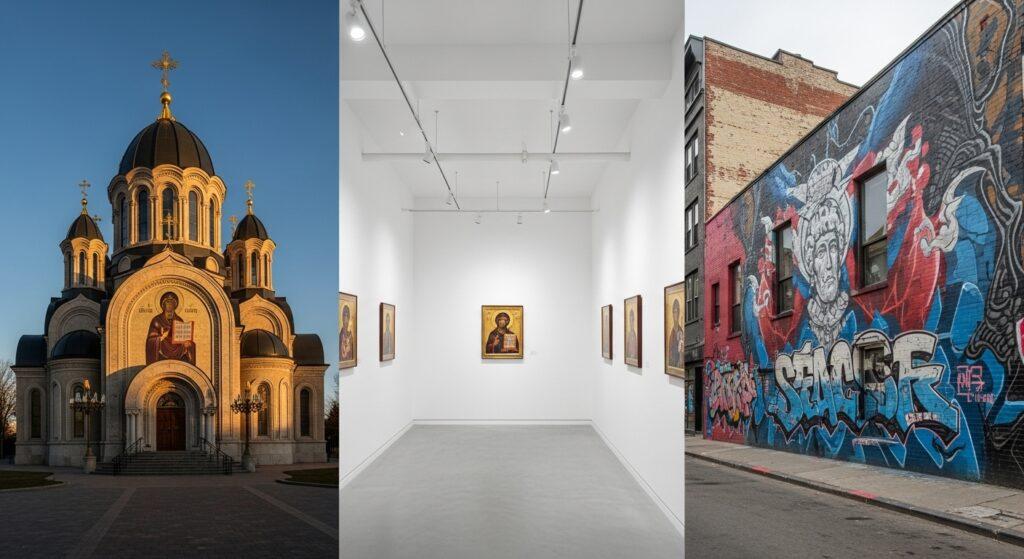
From an art and culture perspective, this consistency is remarkable. While many art movements evolve through rebellion and reinvention, Orthodox iconography evolves through preservation. This discipline has allowed Orthodox visual culture to remain instantly recognizable, even in contemporary settings.
Today, these icons influence not only religious spaces but also modern artists, designers, and collectors who are drawn to their balance, symbolism, and meditative stillness.
Sacred Objects as Cultural Artifacts
Beyond icons, Orthodox Christianity has produced a wide range of sacred objects that function as both devotional tools and cultural artifacts. Crosses, censers, incense holders, and handcrafted jewelry all reflect deep artistic traditions rooted in specific regions such as Mount Athos, Byzantium, and Eastern Europe.
One example is the growing appreciation for faith-inspired jewelry, such as a 14k gold cross necklace, which blends traditional symbolism with fine craftsmanship. These pieces are not only expressions of belief but also reflections of cultural identity, often passed down as heirlooms and worn during important life moments.
In the context of art and culture, such objects demonstrate how sacred design continues to influence contemporary aesthetics without losing its original meaning.
The Role of Scent in Sacred Art and Culture
Art is not limited to what we see—it also encompasses what we smell, hear, and feel. In Orthodox worship, scent plays a powerful role through the use of orthodox incense, which has been an integral part of liturgical practice for centuries.
Incense is more than fragrance; it is a sensory bridge between the physical and the spiritual. Crafted from natural resins, flowers, and essential oils, traditional Orthodox incense reflects regional artistry and ancient methods. Each blend tells a story—of monastic life, sacred rituals, and cultural continuity.
From a cultural standpoint, incense represents one of the oldest surviving forms of experiential art, engaging the senses in a way that modern installations often attempt to replicate.
Why Orthodox Art Still Resonates Today
In an age of rapid digital consumption and fleeting trends, the enduring nature of Orthodox art offers something rare: stillness. Its emphasis on craftsmanship, symbolism, and intention resonates with modern audiences seeking depth and authenticity.
Museums, galleries, and cultural publications increasingly explore sacred art not solely as religious material, but as a vital part of global artistic heritage. Orthodox art, in particular, challenges the viewer to slow down, reflect, and engage with meaning beyond surface aesthetics.
This renewed interest has also led to greater appreciation for brands and institutions dedicated to preserving these traditions. Orthodox Depot, for example, plays a role in keeping this cultural heritage accessible by offering carefully curated sacred items rooted in authentic Orthodox craftsmanship.
Art as a Bridge Between Faith and Culture
Orthodox Christian art reminds us that culture and faith are not separate realms—they are deeply intertwined. Through visual language, material artistry, and ritual objects, Orthodox traditions have shaped artistic expression across centuries and continents.
As contemporary culture continues to rediscover the value of intentional design and symbolic depth, Orthodox art stands as a testament to the power of tradition in shaping timeless beauty. Whether encountered in a gallery, a place of worship, or a thoughtfully crafted sacred object, its influence continues to inspire artists, collectors, and cultural thinkers alike.